
As the number of mortgage-free homes continues to rise, questions are being raised about the potential implications for the housing market and the economy at large. While owning a home outright might seem beneficial for homeowners, experts are increasingly concerned about the broader impact on market dynamics and economic stability.
The Rise of Mortgage-Free Homes
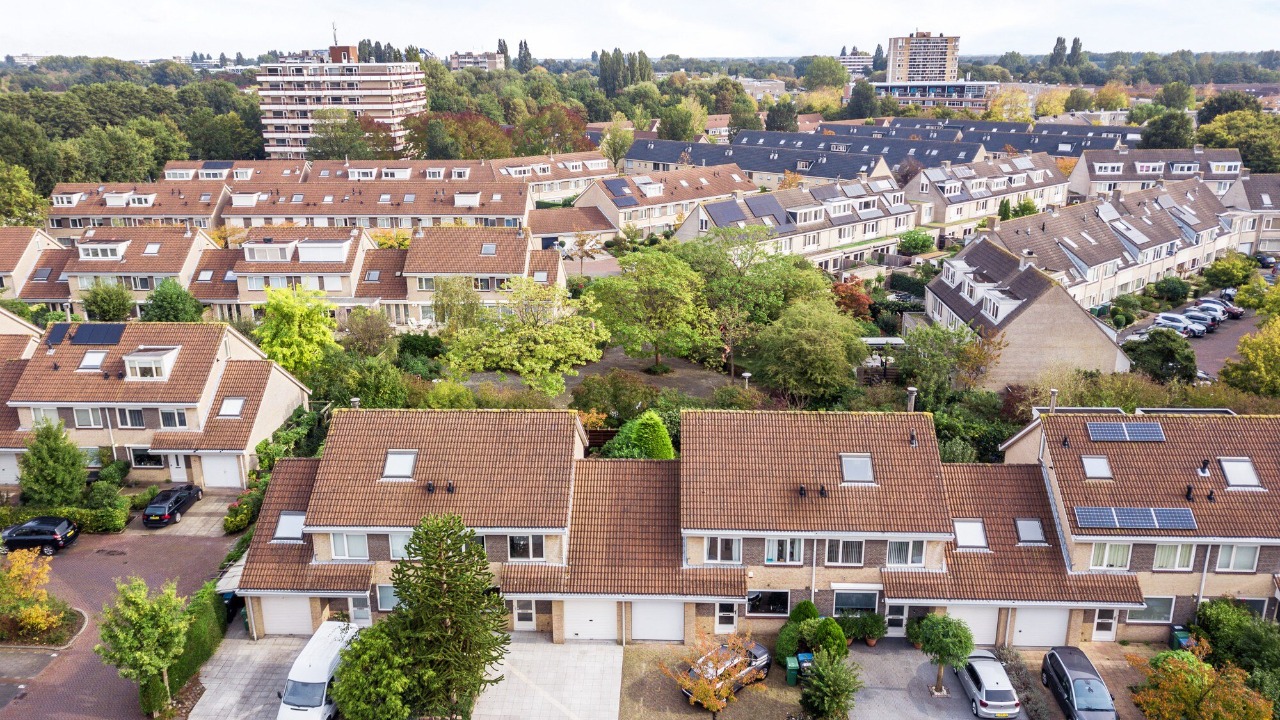
In recent years, the proportion of mortgage-free homes in the United States has seen a significant increase. According to a report by Yahoo Finance, over 30 million U.S. homes are currently owned outright. This represents a substantial growth compared to previous decades, where homeownership without a mortgage was less common. This trend has been driven by several factors, including the aging population and the transfer of generational wealth, where homes are passed down to heirs without encumbrances.
Another contributing factor has been prudent financial planning. Many homeowners have taken advantage of historically low interest rates to accelerate their mortgage payoffs. With the financial market offering limited high-return investment options, paying off a mortgage early has become an attractive option for risk-averse individuals. Additionally, a cultural shift towards debt aversion has encouraged many to prioritize financial freedom, resulting in more people achieving mortgage-free status sooner than previous generations.
Potential Economic Implications

The increase in mortgage-free homes could potentially impact the housing market’s liquidity. A higher number of fully paid-off homes might lead to reduced housing market fluidity, as these homeowners may be less inclined to sell. This could, in turn, lead to a decrease in the availability of homes for sale, potentially driving up prices and making the market less accessible to new buyers. A discussion on the topic suggests that while mortgage-free homes can provide stability, they can also stagnate market activity if owners choose to hold onto their properties longer.
Moreover, the implications extend beyond the housing market. Reduced mortgage payments can alter consumer spending patterns, as homeowners with fewer financial obligations might allocate their disposable income differently. While this could stimulate certain sectors of the economy, it might also result in less overall spending, particularly in industries tied to housing and financing. The broader economic impact remains a subject of debate among economists, with concerns that excessive savings over spending could dampen economic growth.
Housing Market Dynamics

The behavior of both buyers and sellers could shift significantly in a market with a large inventory of mortgage-free homes. From a buyer’s perspective, the availability of homes that are not subject to mortgage contingencies might be appealing, offering a more straightforward purchasing process. However, sellers might become more selective, potentially holding out for higher offers, which could influence housing prices and market trends.
Real estate investors may also need to reassess their strategies. With a significant portion of the housing stock being mortgage-free, the traditional model of leveraging properties might need adaptation. Investors could face increased competition from cash-rich buyers, potentially leading to a reevaluation of investment returns and strategies. As such, the dynamics of the real estate market could see new trends emerging, with implications for both short-term investors and long-term stakeholders.
Risks and Challenges

Economists have raised concerns about the rising number of mortgage-free homes, viewing it as a potential economic warning sign. The trend might indicate an imbalance, where reduced mortgage debt leads to lower profits for financial institutions, which rely on interest income. This could have a ripple effect, potentially leading to reduced lending and financial support for other sectors. A top economist has sounded the alarm, highlighting the risks of economic stagnation if the trend continues unchecked.
Policy implications are also being considered as governments and financial regulators assess potential interventions. There might be a need for policies that encourage market fluidity and ensure that the housing market remains accessible and dynamic. This could involve incentives for selling or policies that promote diverse investment in housing to counterbalance the growing number of mortgage-free homes.
Potential Benefits

Despite the concerns, there are undeniable benefits to mortgage-free living. For homeowners, achieving mortgage-free status can provide significant financial stability and security. Without the burden of monthly mortgage payments, individuals can enjoy increased disposable income, which can reduce financial stress and enhance quality of life. This personal financial freedom can also translate into a greater ability to withstand economic fluctuations, contributing to long-term resilience.
On a broader scale, a nation of mortgage-free homeowners could offer economic stability during times of crisis. With fewer financial obligations, homeowners might be less vulnerable to economic downturns, potentially reducing the likelihood of widespread defaults and foreclosures. This could create a more resilient economy, capable of weathering financial storms with greater ease.
Expert Opinions and Future Outlook

Experts are divided on the future trajectory of mortgage-free homes, with opinions ranging from optimistic to cautionary. Some view the trend as a positive development, indicative of a financially savvy populace that prioritizes stability and security. They argue that mortgage-free living could lead to a more stable housing market and economy, with fewer risks of bubbles and crashes.
However, others express caution, warning that the trend could lead to unintended consequences, such as reduced financial sector profits and economic stagnation. As the future unfolds, it is crucial to monitor the balance between individual financial health and broader economic vitality. The possible scenarios for the housing market and economy are complex, and predicting their outcomes requires careful consideration of numerous variables and potential policy interventions.

Elias Broderick specializes in residential and commercial real estate, with a focus on market cycles, property fundamentals, and investment strategy. His writing translates complex housing and development trends into clear insights for both new and experienced investors. At The Daily Overview, Elias explores how real estate fits into long-term wealth planning.

