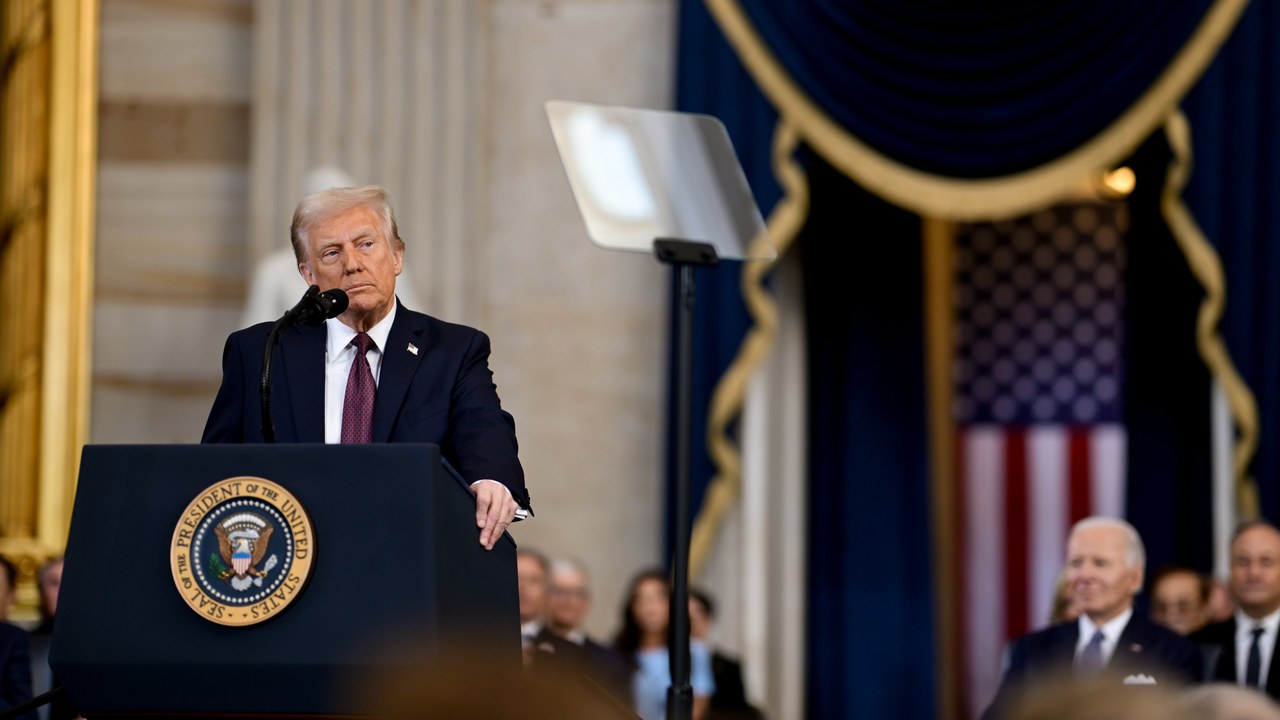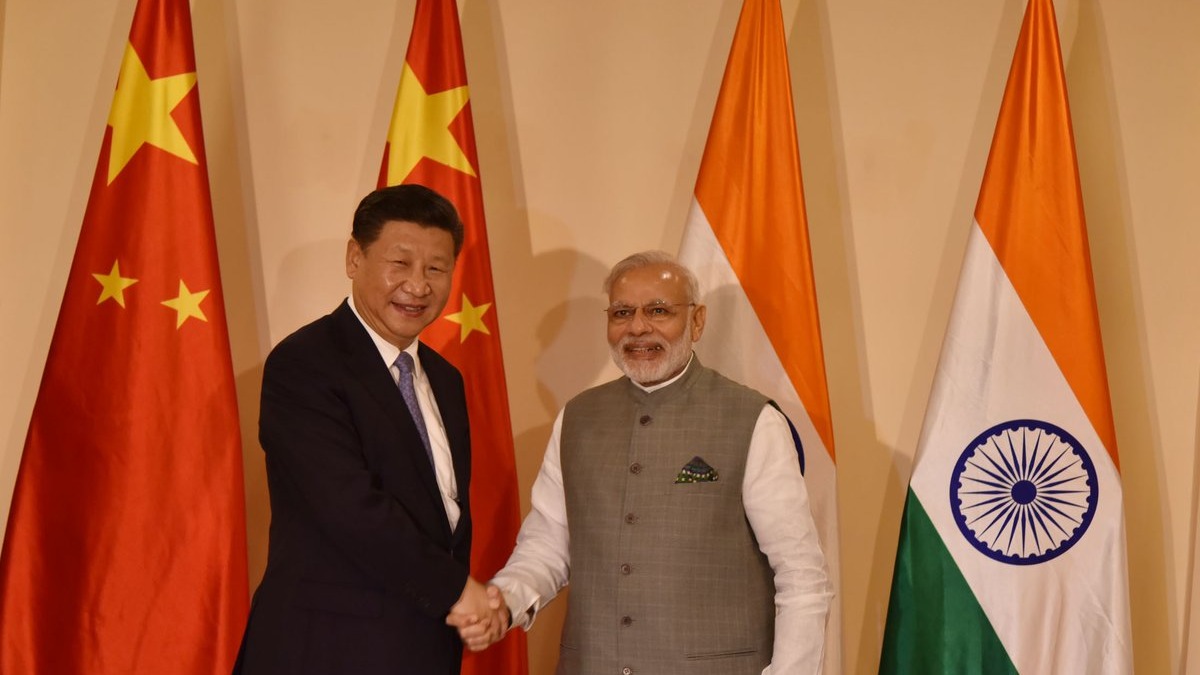
President Donald Trump’s escalating tariffs were billed as a way to claw back leverage for the United States, but the immediate winners look increasingly like its biggest rivals and frenemies. As Washington leans into protectionism, partners unnerved by sudden duties and threats are racing to lock in new access to Asian markets instead. In practice, that is giving both China and India fresh openings to sign deals, redirect exports, and present themselves as steadier long term bets.
Rather than simply shrinking global trade, the tariff shock is rearranging it, tilting flows and bargaining power toward capitals that can promise predictability. I see a pattern emerging in which Beijing and New Delhi, each for their own reasons, are turning U.S. pressure into a catalyst for new agreements and investment, even as American officials insist the strategy is about defending domestic industry.
Allies recoil from U.S. tariffs and look to Asia
The core shift starts with trust. President Trump’s latest tariff rounds and public threats have convinced many in Europe and other allied economies that the United States is no longer a fully reliable commercial partner. Trade expert William Alan has warned that Trump’s unpredictable tariff onslaught signals that the United States is no longer a reliable trading partner, a judgment that helps explain why leaders are suddenly spending more time in Beijing and other Asian capitals to hedge their bets, including a high profile visit to Beijing in December that underscored the search for alternatives to Washington’s market power United States. When the basic assumption of stability breaks, companies and governments start pricing in political risk, and that is exactly what is happening now.
President Trump’s tariffs and rhetoric have already spurred some longtime U.S. allies to diversify their trade ties away from the U.S., with officials openly describing a pivot toward Asia as a form of insurance against future shocks President Trump. In that environment, both China and India are positioning themselves as alternative anchors, offering market access, infrastructure investment, and political attention that contrast with Washington’s more transactional tone.
China fills the reliability vacuum
Beijing has moved quickly to turn U.S. unpredictability into a diplomatic asset. Chinese officials are explicitly pitching the country as a reliable partner at a moment when, as one analyst put it, “When the United States becomes more transactional, that creates a vacuum,” and it is not yet clear how far China or Russia will be able to fill that space. The message to nervous governments is simple: if Washington wants to weaponize access to its market, Beijing is ready to be the world’s market too, with fewer sudden shocks.
That pitch is landing. Canadian Prime Minister Mark Carney, for example, has just hailed a “new strategic partnership” with China in Beijing, a symbolic moment that underscores how far the trade center of gravity is tilting as Trump’s tariff threats pile up Canadian Prime Minister. For a country that has spent years battling U.S. duties, the opportunity to recast itself as a stabilizing force is a striking reversal of fortune.
Tariffs push China to diversify and deepen deals
The irony is that Trump’s own tariffs have forced China to become more globally agile. China, pounded by U.S. tariffs since Trump’s first term, has diversified its exports away from the world’s biggest economy to markets such as Southeast Asia, Latin America, and Europe, while also cutting some retaliatory tariffs on American goods to 15% from 20% to manage its own inflation and supply chains China. That diversification is not just about redirecting containers, it is about signing new agreements and embedding Chinese firms deeper into non U.S. markets.
As Western partners look for alternatives, Beijing is also benefiting from a broader reappraisal of its economic weight. Investors and policymakers scanning basic data on China see a manufacturing base and consumer market that remain too large to ignore, even with geopolitical frictions. Trump’s protectionist turn has not isolated Beijing so much as nudged others to engage it on their own terms, often through new or upgraded trade arrangements that bypass Washington’s preferences.
India turns U.S. pressure into a trade windfall
If China is capitalizing on the vacuum, India is turning it into a growth story. India and the European Union have just reached a free trade agreement to deepen economic and political ties, a deal that negotiators say was propelled in part by U.S. pressure and the desire on both sides to avoid being squeezed between Washington and Beijing, with the pact expected to lower tariffs for European wine and cars while opening European markets more widely to Indian goods India and the. Indian officials have framed the agreement as a strategic hedge that also delivers concrete benefits for exporters and consumers.
New Delhi’s ambitions go beyond a single pact. A detailed analysis by Ahlawat & Associates describes how, after nearly two decades of negotiations, the India EU FTA 2026 is set to reshape trade, investment, and regulation between the two sides, embedding India more deeply into European value chains and giving its companies clearer rules of the game in sectors from digital services to pharmaceuticals Ahlawat. For Brussels, the deal is also a signal that it can build major economic partnerships without waiting for Washington, a subtle but important shift in the transatlantic balance.
Europe’s opening supercharges India’s export strategy
European leaders are not shy about the political logic behind their outreach. One senior figure has said the new trade agreement would “make access to European markets easier for India’s farmers and small businesses” and boost his country’s manufacturing exports, while also giving the 27 EU nations a more resilient supply base that is less exposed to U.S. policy swings European. In other words, Trump’s tariffs are not just redirecting trade flows, they are rewriting who gets preferential access to whom.
India is seizing that moment with a broader web of deals. An official economic survey notes that diversified trade agreements with the UK, Oman, New Zealand, and the EU are supporting export momentum, while an undervalued rupee is cushioning the impact of U.S. tariffs that, by late 2025, had been extended to a wider range of Indian goods, sending fresh uncertainty through exporters Diversified. Rather than retreat, New Delhi is using that pressure to accelerate its push into new markets.
More From TheDailyOverview
*This article was researched with the help of AI, with human editors creating the final content.

Grant Mercer covers market dynamics, business trends, and the economic forces driving growth across industries. His analysis connects macro movements with real-world implications for investors, entrepreneurs, and professionals. Through his work at The Daily Overview, Grant helps readers understand how markets function and where opportunities may emerge.