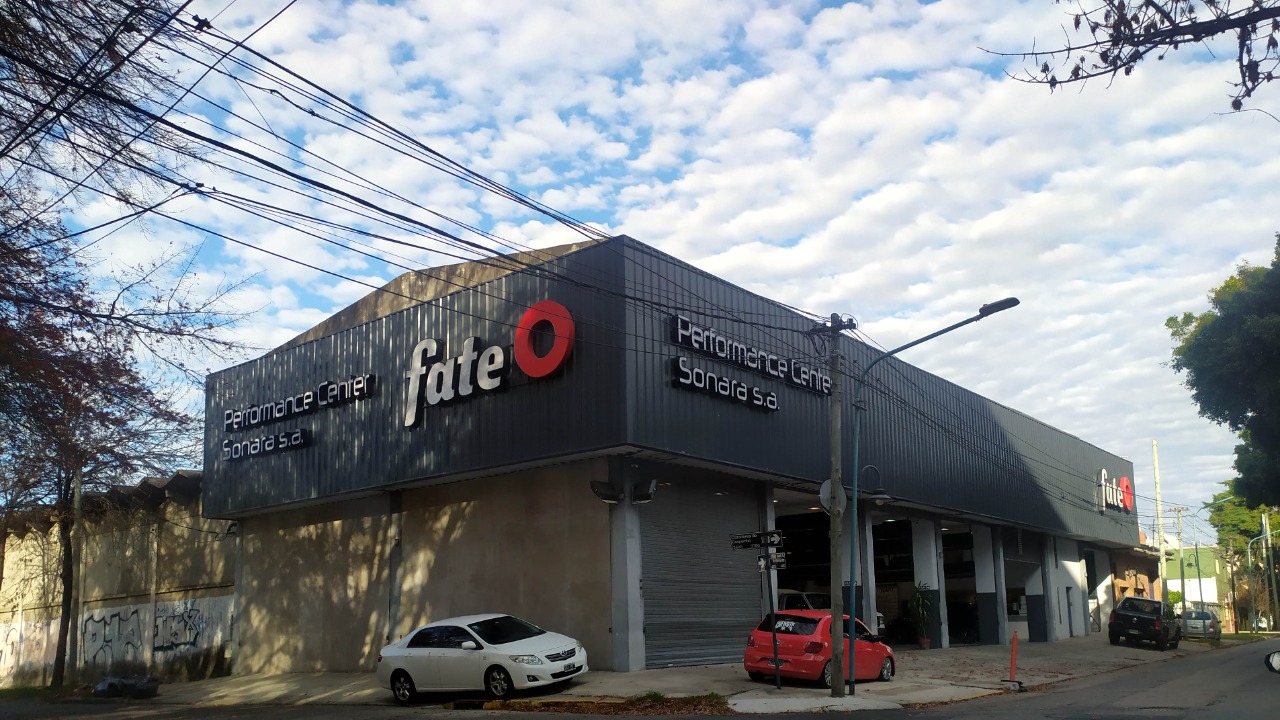
FATE S.A., Argentina’s sole domestically owned tire manufacturer, announced a shutdown and dismissed all 920 of its workers, ending decades of national production in a single stroke. The Buenos Aires provincial government responded by ordering mandatory conciliation to freeze the mass layoffs, but the company’s stated reason, changes in market conditions, points to structural pressures that a 15-day cooling-off period may not resolve. The closure removes the last Argentine-owned competitor from a tire market that would become dependent on foreign suppliers.
920 Workers Dismissed Without Warning
FATE posted a notice at its Buenos Aires province plant stating it would cease activity, a move that eliminated roughly 920 jobs in a single announcement. The company attributed the decision to what it called “cambios en las condiciones de mercado,” or changes in market conditions, without releasing detailed financial statements or debt disclosures that might explain the timeline of its decline. Workers learned of the shutdown through the posted notice rather than through any advance consultation with labor representatives, a sequence the provincial government later characterized as unilateral.
Protests broke out at the facility almost immediately. Video footage captured laid-off employees gathered outside the plant gates, demanding answers about severance terms and potential reinstatement. For a factory with roots stretching back decades, the abrupt end carried weight beyond the payroll numbers. FATE had been the only tire producer still under Argentine ownership, and its disappearance leaves the domestic market entirely in the hands of multinational brands. That shift matters most for automakers, agricultural equipment operators, and transport companies that previously sourced locally.
Provincial Government Steps In With Conciliation Order
The Buenos Aires provincial labor ministry moved quickly after the shutdown announcement, issuing a 15-day mandatory conciliation order under Ley 10.149. The specific administrative act, designated Disposición 2027-17 GDEBA-DPNCMTGP, requires both FATE and the workers’ union to negotiate before the 920 dismissals can take legal effect. During the conciliation window, the company is technically barred from finalizing the layoffs, and workers are expected to refrain from disruptive action.
The legal mechanism is designed to buy time, not to reverse a corporate decision. Mandatory conciliation under Argentine provincial labor law compels the parties to sit at the same table, but it does not force FATE to reopen the plant or rehire anyone. If the 15-day period expires without agreement, the dismissals stand, and workers would then pursue severance claims through standard labor courts. The government’s intervention signals political urgency, yet the tool itself has limited power against a company that has already declared its operations permanently finished.
What Market Conditions Actually Mean for FATE
FATE’s vague reference to market conditions invites scrutiny. Argentina’s broader economic environment has hammered domestic manufacturers through a combination of high inflation, currency instability, and trade liberalization policies that have made imported goods cheaper relative to locally produced alternatives. For a tire maker, the math is punishing: raw material costs denominated partly in dollars rise with every peso devaluation, while finished imports from Brazil or Asia arrive at prices that a single national producer cannot match at scale.
The company provided some operational context, including capacity and output data at the time of closure, though these numbers came through wire-service reporting rather than audited public filings. What the available data suggests is a plant running well below its designed output, a classic symptom of demand erosion in a market where imports have steadily gained share. Without tariff protection or competitive energy costs, a lone domestic producer faces a cost structure that larger multinational rivals can simply undercut.
Most coverage has framed the closure as a labor story, focused on the 920 workers and the protest footage. That framing, while understandable, misses the industrial policy failure underneath. FATE did not collapse overnight. A factory of this scale typically deteriorates over years of declining orders, deferred maintenance, and shrinking margins before management reaches the shutdown decision. The absence of any public restructuring attempt or government rescue package before the closure announcement suggests that neither the company nor policymakers saw a viable path to sustained production.
Ripple Effects Across Argentine Supply Chains
Losing the country’s only national tire manufacturer has consequences that extend well past the factory gates. Argentina’s agricultural sector, one of its primary export engines, depends on heavy-duty tires for tractors, harvesters, and transport trucks that move grain from the Pampas to port terminals. More of those tires would now come from abroad, adding import costs, shipping delays, and currency risk to a supply chain that already operates on thin margins during planting and harvest seasons.
The automotive assembly plants scattered across Buenos Aires province and Córdoba face a similar recalculation. Domestic vehicle production relies on just-in-time tire deliveries, and switching entirely to imported supply introduces lead times and logistics complexity that local sourcing once absorbed. For consumers, the effect could show up as higher replacement tire prices, since the competitive pressure a domestic producer exerted on multinational pricing diminishes as FATE’s plant goes dark. The 920 lost jobs are the most visible cost, but the structural dependency on foreign tire supply will compound quietly across the economy for years.
A Test Case for Argentina’s Industrial Future
FATE’s shutdown is not an isolated event. It fits a pattern visible across several Argentine manufacturing sectors where domestic producers have closed or scaled back as trade barriers fell and macroeconomic volatility made long-term capital investment nearly impossible. The tire industry is simply the latest and most visible example, partly because a single closure can eliminate an entire national production category. When a country goes from one domestic producer to zero, the reversal is extraordinarily difficult. Rebuilding tire manufacturing capacity would require billions in capital expenditure, years of construction, and a policy environment stable enough to convince investors that a new plant would not face the same fate as its predecessor.
In that sense, the conciliation order in Buenos Aires province is less about saving FATE than about signaling how authorities might handle the next industrial crisis. If the current tools amount to short cooling-off periods and post hoc mediation, Argentina risks a slow bleed of strategic manufacturing capabilities, each loss justified as a response to “market conditions” that policymakers treat as immutable. The closure of FATE therefore functions as a test case: whether the country chooses to accept full dependence on foreign suppliers in sectors like tires, or whether it is prepared to design longer-term industrial strategies that give domestic producers a fighting chance before the factory gates are locked for good.
More From The Daily Overview
*This article was researched with the help of AI, with human editors creating the final content.

Grant Mercer covers market dynamics, business trends, and the economic forces driving growth across industries. His analysis connects macro movements with real-world implications for investors, entrepreneurs, and professionals. Through his work at The Daily Overview, Grant helps readers understand how markets function and where opportunities may emerge.