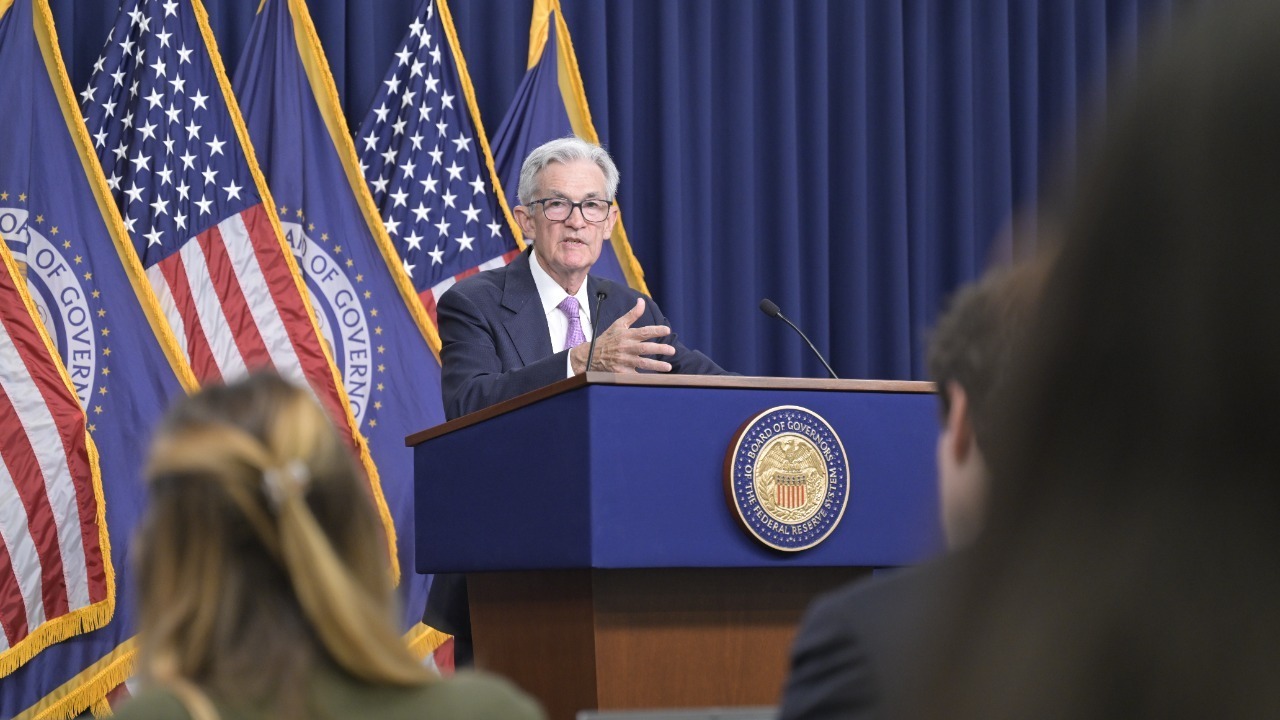
Stubbornly high prices colliding with a suddenly fragile job market have pushed the Federal Reserve into its most uncomfortable spot since the early pandemic. The central bank is being forced to choose between defending its inflation-fighting credibility and cushioning a labor market that is no longer the picture of resilience. Whatever it decides next, the tradeoffs will be immediate, visible, and politically explosive.
Inflation progress stalls just as the labor market buckles
For most of the past two years, I watched the Fed argue that it could cool inflation without inflicting serious damage on jobs, pointing to a steady decline in price growth alongside low unemployment. That narrative has frayed as inflation has stopped falling and, in some categories, has begun to reaccelerate at the same time that hiring has slowed sharply and job openings have thinned. The central bank is now confronting a mix of sticky services inflation, elevated shelter costs, and renewed pressure from energy and insurance, even as the pace of payroll gains has weakened and layoffs have become more common in interest‑sensitive sectors such as construction and manufacturing, a pattern reflected in recent employment data and consumer price reports.
That combination leaves policymakers facing a classic dilemma that the post‑pandemic recovery was supposed to avoid. If they keep policy tight to squeeze out the last mile of inflation, they risk turning a hiring slowdown into a broader jobs downturn. If they pivot toward cuts to protect employment, they risk validating higher inflation expectations and inviting a second wave of price pressures. The latest readings on core inflation, which strip out food and energy, show price growth still running above the Fed’s 2 percent target, while measures of labor demand, including the Job Openings and Labor Turnover Survey, point to a cooling market that no longer looks overheated. That is the backdrop for the “no‑win” decision now looming over the Federal Open Market Committee.
The Fed’s dual mandate is pulling in opposite directions
The Federal Reserve is legally tasked with delivering both “maximum employment” and “stable prices,” a dual mandate that works smoothly when inflation is low and the job market is strong but becomes a source of tension when those goals diverge. I see that tension clearly today, as the inflation side of the mandate still argues for restraint while the employment side increasingly argues for relief. Unemployment has edged higher from its lows and broader measures of labor underutilization have ticked up, signaling that workers are losing some of the bargaining power they gained earlier in the recovery, even as year‑over‑year inflation remains above target in key categories tracked in the Fed’s own projections.
In practice, the Fed has tried to balance these objectives by focusing on the trajectory rather than the level of each indicator, tolerating some overshoot in inflation while it came down and some softening in jobs while the market remained tight. That balancing act is harder to justify now that progress on prices has stalled and the labor market is weakening at the same time. Recent meeting minutes show officials debating how much weight to put on lagging inflation data versus more forward‑looking labor indicators, including rising continuing claims for unemployment insurance and slowing wage growth in private‑sector pay trackers. The dual mandate has not changed, but the tradeoff between its two halves has become much sharper.
Markets are betting on cuts, but the Fed fears losing its inflation credibility
Financial markets have already moved ahead of the Fed, pricing in a series of rate cuts over the coming year on the assumption that policymakers will ultimately prioritize growth and jobs. I see that in the sharp drop in Treasury yields at intermediate maturities, the rally in rate‑sensitive sectors like homebuilders and small‑cap stocks, and the shift in futures markets that now imply a lower policy rate path than the Fed’s own “dot plot” of expected moves. Those expectations are rooted in the view that a weakening labor market will force the central bank to ease, even if inflation is not yet fully back to target, a view reflected in recent Fed funds futures pricing and Treasury yield curves.
Fed officials, however, have been explicit that they do not want to repeat the stop‑and‑go pattern of the 1970s, when premature easing allowed inflation to become entrenched and ultimately forced a much harsher tightening later. In their latest Summary of Economic Projections, policymakers signaled only gradual cuts and stressed that any move would depend on “greater confidence” that inflation is on a sustainable path back to 2 percent. That language reflects a fear that if they validate market hopes too quickly, they could unanchor inflation expectations, push up long‑term borrowing costs, and undermine the very financial conditions that markets are currently easing. The result is a widening gap between what investors expect and what the Fed is prepared to deliver, a gap that raises the risk of volatility if incoming data force either side to capitulate.
Political pressure is intensifying from both the White House and Congress
Monetary policy is formally independent, but I cannot ignore how the political backdrop has grown louder as the economy has shifted. President Donald Trump has repeatedly tied his economic message to the cost of living and the strength of the job market, and a period of rising prices alongside weakening hiring is politically toxic for any administration. Members of Congress have already begun pressing the Fed in hearings, with some lawmakers arguing that high rates are choking off small‑business hiring and housing affordability, while others warn that easing too soon would punish households with another round of price spikes. Those cross‑pressures have been evident in recent House testimony and Senate banking hearings where lawmakers grilled Chair Jerome Powell on both inflation and jobs.
For the Fed, the risk is not just short‑term criticism but a longer‑term challenge to its autonomy if elected officials decide the central bank is either too focused on inflation at the expense of workers or too willing to tolerate higher prices. Some progressive lawmakers have floated proposals to broaden the Fed’s mandate to include explicit employment targets or climate considerations, while some conservatives have suggested narrowing its role and subjecting it to more direct oversight. Those ideas remain at the level of debate, but the more the economy feels like a “lose‑lose” for households, the more tempting it becomes for politicians to blame the institution that sets interest rates. That political context, documented in recent hearing transcripts and White House statements, hangs over every rate decision.
Households are squeezed by higher borrowing costs and lingering price shocks
Behind the macro debate, I see the strain on households that are still adjusting to a higher price level while also facing the most expensive borrowing environment in years. Mortgage rates have climbed alongside the Fed’s benchmark rate, pushing the cost of a typical 30‑year fixed loan well above levels that prevailed before the pandemic and freezing many would‑be buyers in place. Auto loans for models like the 2024 Ford F‑150 or Toyota RAV4 now carry monthly payments that stretch budgets already hit by higher grocery, rent, and insurance bills, a pattern reflected in recent mortgage rate surveys and auto debt data.
At the same time, wage gains that once outpaced inflation have cooled, leaving many workers feeling that they are running in place or slipping backward. Credit card balances have climbed, delinquencies have risen from their lows, and more consumers are turning to “buy now, pay later” services like Affirm and Afterpay to manage everyday purchases, according to recent household debt reports and consumer finance studies. For these families, a Fed that keeps rates high to finish the inflation fight means continued pressure on monthly payments, while a Fed that cuts too soon and reignites price growth means another round of sticker shock at the supermarket and the gas pump. Either path carries real costs that are not captured fully in headline statistics.
Businesses are pulling back on hiring and investment as uncertainty grows
Corporate decision makers are reacting to the same cross‑currents, and their response is feeding back into the data the Fed is watching. I see more companies announcing hiring freezes instead of outright layoffs, a sign that they are cautious but not yet panicked, and trimming capital spending plans for projects that depend heavily on cheap financing. Surveys of purchasing managers and small‑business owners show weaker hiring intentions and softer orders, particularly in interest‑sensitive industries like commercial real estate, durable goods manufacturing, and tech startups that rely on venture funding, trends captured in recent PMI reports and small‑business surveys.
At the same time, some large firms with strong balance sheets are taking advantage of the uncertainty to lock in market share, using cash reserves to invest where smaller rivals cannot. Big retailers are leaning on private‑label brands to keep prices attractive without sacrificing margins, while automakers are prioritizing higher‑end trims and profitable models over entry‑level vehicles. These strategic shifts, described in recent corporate filings and earnings releases, underscore how uneven the adjustment to higher rates has been. For the Fed, that unevenness complicates the picture: aggregate data may show modest slowing, but beneath the surface, weaker firms and workers are bearing a disproportionate share of the pain.
Whatever the Fed chooses next will carry visible costs
When I weigh the options in front of the Fed, I see no path that avoids pain, only different ways of distributing it across time and across groups. Holding rates high to grind inflation down toward 2 percent would likely mean more job losses in rate‑sensitive sectors, slower wage growth, and continued pressure on borrowers, but it would also reduce the risk of another inflation flare‑up that could be even more damaging later. Moving more quickly to cut rates to support hiring would ease financial conditions, lower borrowing costs, and potentially stabilize the labor market, but it would also risk signaling that the central bank is willing to tolerate a higher inflation plateau, a signal that could show up in higher long‑term yields and renewed price pressures, as past episodes documented in Fed history analyses make clear.
That is why the next few policy meetings will be less about finding a perfect solution and more about choosing which risk to lean into. The Fed can try to thread the needle with cautious, data‑dependent moves and careful communication, but it cannot escape the reality that both inflation and employment are now flashing yellow at the same time. As new readings on prices, wages, and payrolls arrive, policymakers will be forced to decide whether to prioritize the credibility of their inflation target or the stability of the job market, fully aware that either choice will be second‑guessed by markets, politicians, and households already feeling squeezed. In that sense, the central bank is not just facing a tough call, it is confronting a rare moment when every option carries a visible and immediate cost, a reality that the latest policy calendar and official statements only begin to capture.
More From TheDailyOverview
- Dave Ramsey warns to stop 401(k) contributions
- 11 night jobs you can do from home (not exciting but steady)
- Small U.S. cities ready to boom next
- 19 things boomers should never sell no matter what

Grant Mercer covers market dynamics, business trends, and the economic forces driving growth across industries. His analysis connects macro movements with real-world implications for investors, entrepreneurs, and professionals. Through his work at The Daily Overview, Grant helps readers understand how markets function and where opportunities may emerge.

