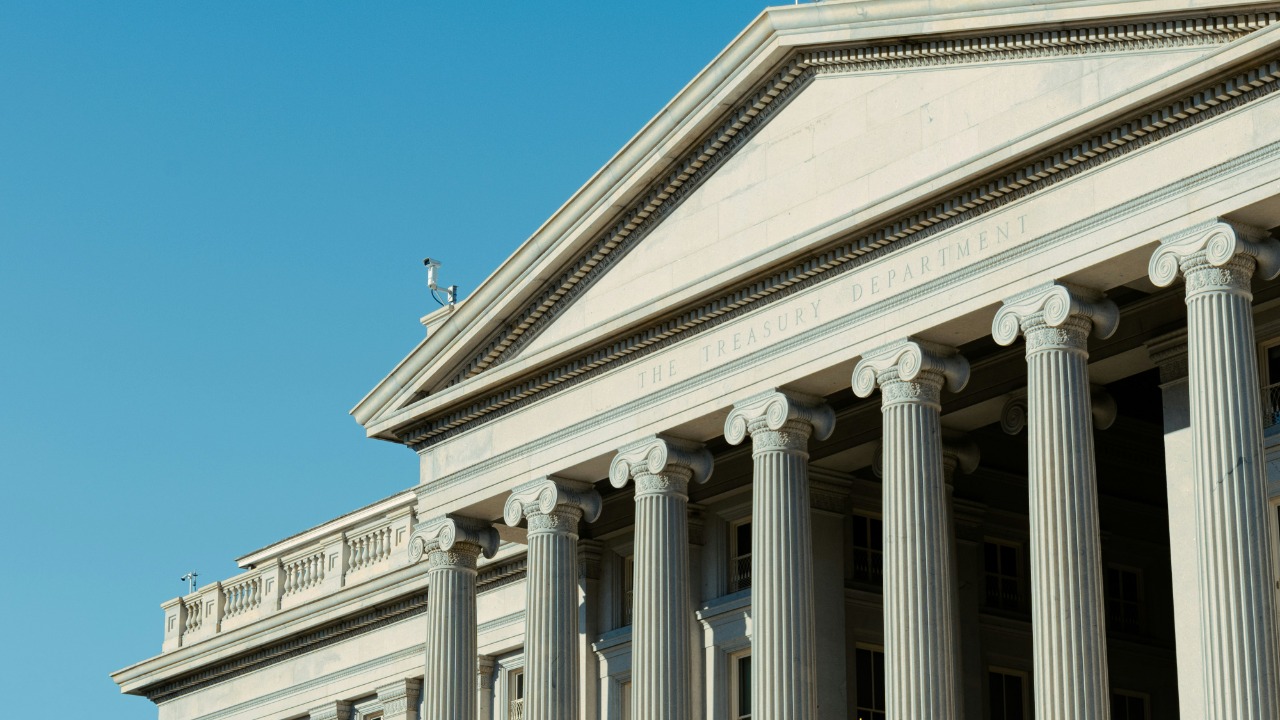
The fight over the Federal Reserve is no longer an abstract debate about central bank theory. It has become a front‑line political struggle that is already unsettling markets, unnerving global partners, and raising the risk of policy mistakes that could tip the United States into a deeper slowdown. At the center is a coordinated attack on the Fed’s independence, and with it, on the quiet institutional guardrails that usually keep economic fear from turning into full‑blown panic.
What is unfolding now is not a routine clash between elected officials and technocrats over interest rates. It is a campaign to bend the central bank to short‑term political needs, from legal challenges to public pressure, that could weaken the very credibility that keeps inflation expectations anchored and borrowing costs manageable.
The political squeeze on the Fed tightens
The Federal Reserve was designed to sit at arm’s length from day‑to‑day politics, yet that arm is being yanked hard. Analysts have warned that growing political pressure on The Federal Reserve is eroding a norm that has underpinned U.S. economic stability for decades, turning what used to be background noise into a central risk for investors and households. When politicians try to steer rate decisions, they are not just second‑guessing technocrats, they are signaling to markets that long‑term inflation control can be sacrificed for short‑term gains.
That risk is no longer theoretical. A DOJ investigation into alleged efforts to influence central bank decisions has highlighted how fragile the boundary between politics and monetary policy has become. In that reporting, the phrase “Criminal Probe Highlights Risk of Fed Losing Independence” is not hyperbole, it is a warning that once the line is crossed, future presidents and members of Congress may feel entitled to lean on the Fed whenever economic headlines turn inconvenient.
Trump’s campaign against the central bank
President Trump has made the Fed a recurring political target, treating interest rate decisions as a referendum on his economic agenda rather than a technocratic judgment about inflation and employment. Earlier analysis of why the Fed’s independence matters noted that The White House, under President Trump, ramped up pressure on the Federal Reserve and that he has repeatedly upended political norms in the process. That pattern has now hardened into a broader campaign, with the president publicly attacking rate decisions and questioning the motives of central bankers when they do not align with his preferred growth narrative.
Recent coverage of Trump described how his attacks on the Fed have escalated, including efforts that critics say sought to undermine the institution’s authority from within. Separate analysis of The Trump Administration argued that its Interference With Federal Reserve Independence Carries Significant Risks, warning that the Fed’s independence underpins confidence in the U.S. economy and that experts across the political spectrum are sounding the alarm. Taken together, these reports depict not a one‑off clash but a sustained attempt to bring the central bank to heel.
Powell’s balancing act and a split Fed
Fed Chair Jerome Powell is trying to project calm in the middle of this storm. After the Federal Reserve held interest rates steady in its first policy meeting of the year, Powell insisted that the Fed has not lost its independence, saying “We haven’t lost it” and emphasizing that he and his colleagues are determined to preserve it. That reassurance came after a split decision on rates, a reminder that even inside the central bank, officials are wrestling with how to respond to inflation, growth data, and the political crossfire without appearing to bend to outside pressure.
Powell has also faced intensifying scrutiny over his own future, with coverage from NEW YORK reports noting that, on Wednesday, the Federal Reserve’s decision to hold rates steady came as he faced questions about political interference and the autonomy of the Federal Reserve. In a separate interview, Jerome Powell acknowledged that Fed independence is not guaranteed, saying he certainly hopes the institution will not lose it, but that outcome ultimately depends on whether political leaders respect the boundaries that have historically protected monetary policy from partisan swings.
The Supreme Court, Lisa Cook, and the legal front
The battle over the Fed is not confined to press conferences and social media. It has moved into the courts, where the stakes may be even higher. The Supreme Court is weighing whether President Donald Trump has the authority to remove Governor Lisa Cook from the Federal Reser board, a case that economists warn is already taking an economic toll by injecting uncertainty into the central bank’s governance. If the Court endorses broad presidential power to fire Fed officials, future governors may feel compelled to align with the White House or risk their jobs, a dynamic that would chill dissent and weaken policy debates inside the institution.
Another case involving an embattled governor has been described by the Fed chair as the most important in the central bank’s history, underscoring how much rides on the Court’s interpretation of the law. Reporting on the If the Court rules in favor of Trump scenario warned that such a decision could be a death knell for the Fed’s independence, raising fears of greater political influence over interest rates and financial regulation. Powell himself has called the current Supreme Court case the most important in the Fed’s history, even as The Federa kept interest rates unchanged and flagged oil risks despite recent turmoil, a sign that legal uncertainty is now part of the macroeconomic backdrop.
Why markets and households should care
For investors and ordinary borrowers, the fight over Fed independence can sound abstract until it hits their portfolios and monthly bills. Analysts have long argued that doubts about the Fed’s credibility can push up long‑term interest rates, weaken the dollar, and make every mortgage, auto loan, and credit card more expensive. That logic is at the heart of warnings that a politicized Fed would leave markets constantly second‑guessing whether rate moves reflect data or presidential pressure, a recipe for higher volatility and lower investment.
Some economists have gone further, sketching out what could happen if the Fed ceases to be independent at all. One analysis argued that if this happens, it will be a very big deal, negatively impacting the stability of the global economy, not just the lives of every American, but also people in countries such as China, India, and North Korea, a scenario laid out in detail by Sep commentary on how Fed Independence Can Save Us From Financial Collapse. Another expert assessment of current threats concluded that the interventions over the last year are already taking an economic toll, with threats to Fed independence feeding into higher risk premiums and more cautious business investment.
More From TheDailyOverview
*This article was researched with the help of AI, with human editors creating the final content.

Grant Mercer covers market dynamics, business trends, and the economic forces driving growth across industries. His analysis connects macro movements with real-world implications for investors, entrepreneurs, and professionals. Through his work at The Daily Overview, Grant helps readers understand how markets function and where opportunities may emerge.

