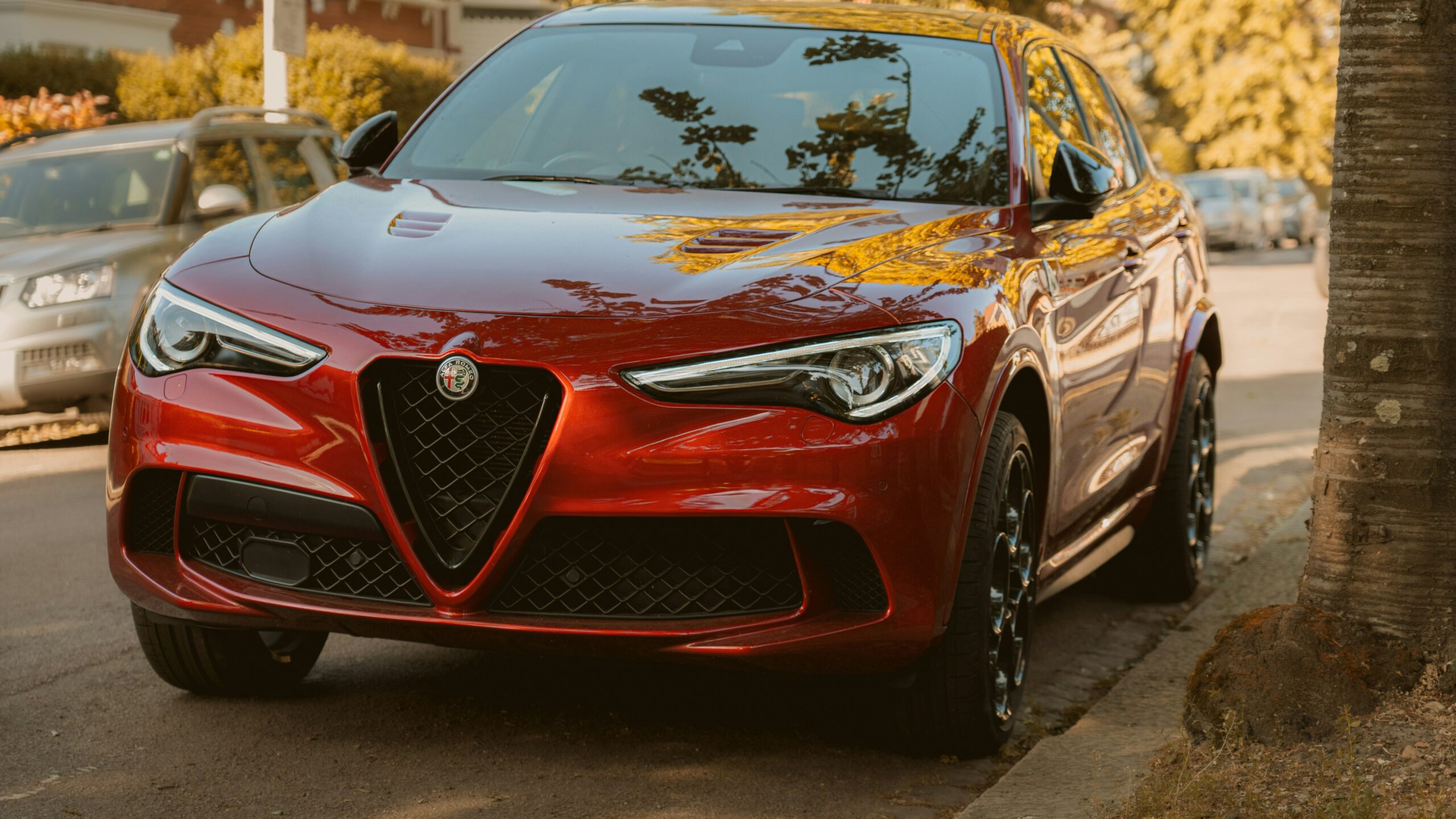
Retirees shopping for a new SUV face a problem that flashy marketing campaigns rarely mention: some popular models on dealer lots carry active safety recalls, theft vulnerabilities, or both. Federal safety agencies including NHTSA and the CDC have warned that older adults face higher risks of serious injury in crashes, making it especially important to check recalls and safety guidance before buying.
Fire Risk Turns Popular Jeep Models Into Garage Hazards
The Jeep Wrangler 4xe and Grand Cherokee 4xe have earned strong followings among retirees drawn to their rugged image and plug-in hybrid fuel savings. Yet federal regulators have flagged both nameplates for a defect that should give any buyer pause. The National Highway Traffic Safety Administration issued a consumer alert covering more than 154,000 of these plug-in hybrid SUVs, warning that a fault in the high-voltage battery system can cause fires. NHTSA’s consumer alert advised owners to park outside and away from structures and to avoid charging until a remedy is available.
That instruction is a red flag for buyers who park in attached garages or may miss recall notices. The affected vehicles are tracked under recall IDs 24V-720 and 24E-080, and the recall remedy may require a dealer visit. For a demographic already at elevated risk of serious injury in any crash, adding a fire hazard to the equation is an avoidable mistake. Older adults can have longer recovery times and greater fragility, which can increase the consequences of injuries from incidents such as vehicle fires.
Theft Epidemic Hits Older Hyundai and Kia SUVs
Fire is not the only concern. Some Hyundai and Kia vehicles that lacked certain anti-theft protections became targets for thieves, and the problem drew wide attention and legal action. The resulting crime wave prompted state attorneys general to act. Under a multi-state settlement framework, Hyundai and Kia agreed to repair millions of affected vehicles by installing upgraded anti-theft software. For owners of affected models, the fallout can include higher insurance costs and added worry about theft risk.
According to AP’s reporting on the settlement, Hyundai and Kia agreed to provide repairs and other support for affected owners; scheduling can still take time. A retiree on a fixed income who faces a steep insurance surcharge while waiting months for a software update is absorbing a real financial hit that the sticker price never advertised. Unlike younger buyers who may trade vehicles every few years, retirees often hold onto cars longer, which means they bear the full weight of depreciation caused by a model’s reputation for theft vulnerability.
Why Vehicle Choice Matters More After 65
The argument for caution is grounded in hard numbers. The CDC reports that older adults face elevated rates of crash-related injury and fatality, driven partly by age-related changes in vision, reaction time, and bone density. A vehicle that compounds those biological realities with mechanical or electrical defects is a poor match for the demographic. NHTSA data on older-driver fatality trends shows that as the population of drivers aged 65 and above grows, so does their share of roadway deaths. Choosing a vehicle with a clean recall history and proven crash-test performance is one of the few variables retirees can control.
More From The Daily Overview
*This article was researched with the help of AI, with human editors creating the final content.

Cole Whitaker focuses on the fundamentals of money management, helping readers make smarter decisions around income, spending, saving, and long-term financial stability. His writing emphasizes clarity, discipline, and practical systems that work in real life. At The Daily Overview, Cole breaks down personal finance topics into straightforward guidance readers can apply immediately.

