
Buy Now, Pay Later (BNPL) services have surged in popularity, offering consumers the allure of spreading payments over time without immediate financial burden. However, these services can lead to unexpected financial strain if users overlook key risks such as late fees and overextension. Recent expert analyses reveal how these plans, used by millions, often result in budget disruptions and legal protections that vary by provider. Consumers must navigate these options carefully to avoid common traps that turn short-term convenience into long-term debt. CBS News, Kiplinger, and the National Consumer Law Center provide insights into these pitfalls.
Not Understanding BNPL Terms and Fees
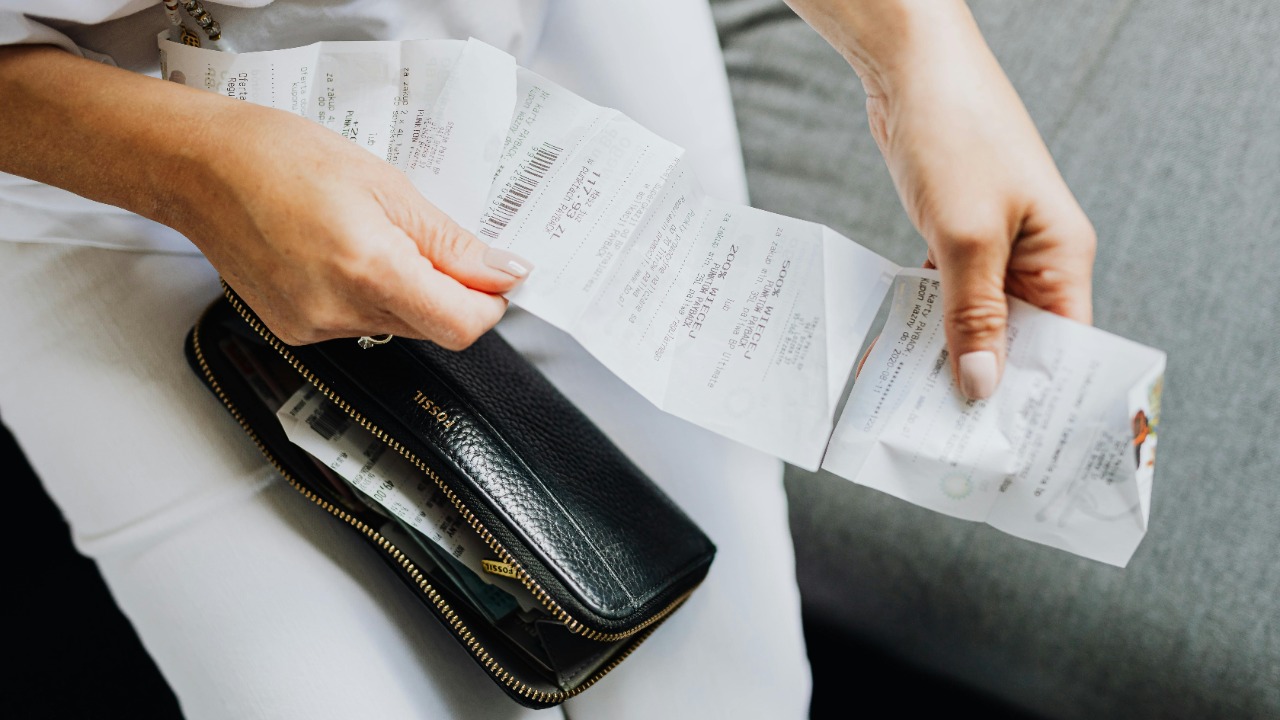
One of the most critical mistakes consumers make with BNPL services is failing to fully understand the terms and fees associated with their agreements. Many users are unaware that interest rates may apply after promotional periods, leading to unexpected costs. Hidden fees can accumulate without clear disclosure in user agreements, making it essential to scrutinize the fine print before committing to a purchase. As noted by Kiplinger, these fees can quickly add up, turning a seemingly manageable payment plan into a financial burden.
Late payment penalties are another area where BNPL users can find themselves in trouble. These penalties can exceed standard credit card fees, with some providers imposing immediate charges if a due date is missed. According to CBS News, missing a single payment can trigger a cascade of fees, exacerbating financial strain. Furthermore, the lack of uniform protections, such as limited dispute resolution rights compared to credit cards, means consumers must be vigilant in checking provider-specific policies before signing up.
Overspending Due to Easy Access

The ease of access provided by BNPL services often leads to overspending, as the “no interest” illusion encourages impulse buys that exceed affordable budgets. This can result in a cycle of multiple small loans that quickly add up, creating a significant financial burden. CBS News highlights how this pattern of behavior can lead to total debt surpassing the original purchase amounts over time, as consumers treat BNPL like free money.
Moreover, BNPL services often approve larger purchases without income verification, which can strain monthly cash flow for essentials. This lack of oversight can lead to a situation where consumers are unable to meet their basic financial obligations. As reported by Kiplinger, this can have long-term consequences, affecting not only immediate financial stability but also future borrowing ability.
Mismanaging Multiple BNPL Accounts

Managing multiple BNPL accounts can lead to confusion and financial mismanagement. Juggling payments across services like Affirm or Klarna can result in overlapping due dates, leading to missed installments and compounded fees. CBS News points out that this complexity can obscure total debt exposure, making it difficult for consumers to track their overall financial commitments.
Additionally, the limited reporting to credit bureaus by BNPL providers can hide the full impact of these debts until collections begin. This lack of transparency can affect future borrowing ability, as consumers may not realize the extent of their financial obligations until it is too late. The National Consumer Law Center warns that this can lead to negative credit reporting if loans are sold to third-party collectors, damaging credit scores even if the initial use was interest-free.
Ignoring Long-Term Credit and Legal Impacts
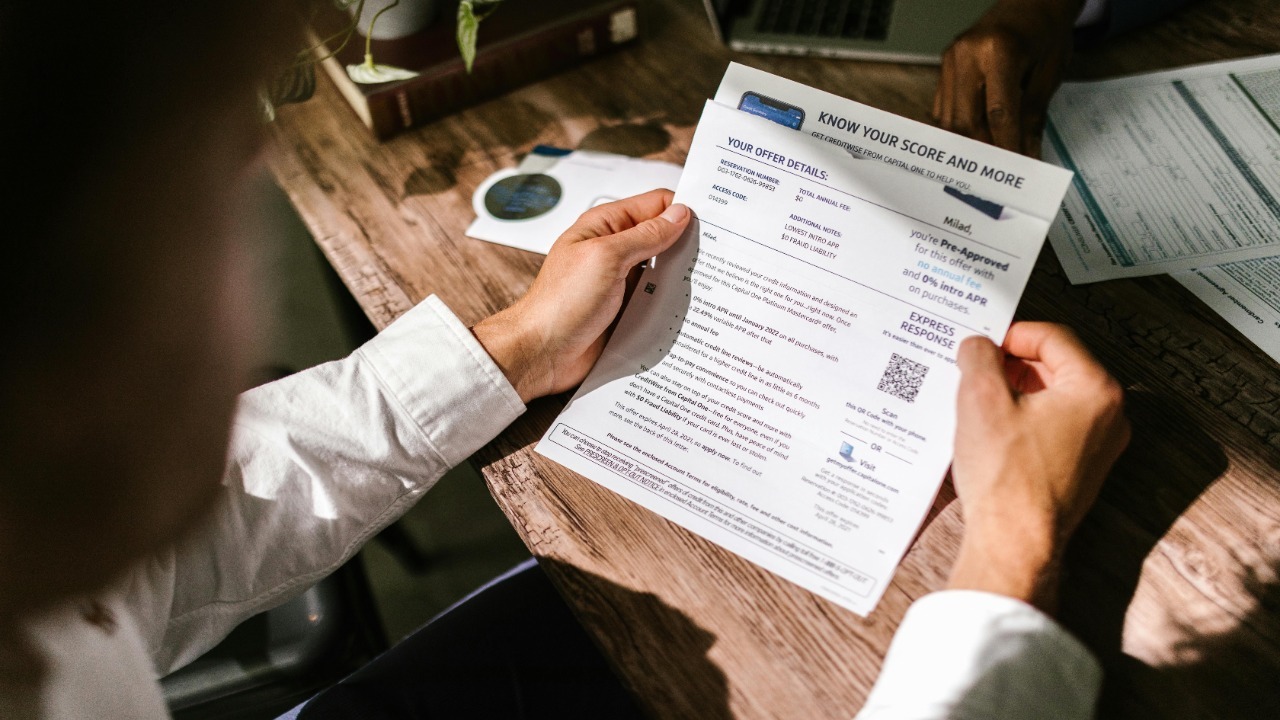
Defaulting on BNPL loans can lead to aggressive collection practices, including lawsuits or wage garnishment, without the same safeguards as traditional credit. The National Consumer Law Center emphasizes the importance of understanding these potential consequences, as they can have severe long-term impacts on financial health.
Moreover, the potential for negative credit reporting if loans are sold to third-party collectors can damage credit scores, even if the initial use was interest-free. Kiplinger highlights how this can affect future borrowing ability, making it crucial for consumers to be aware of these risks.
Finally, jurisdictional variations in consumer rights mean that protections under federal law for BNPL are often weaker compared to other financing options. The National Consumer Law Center urges users to familiarize themselves with local regulations to avoid unexpected legal challenges. Understanding these nuances is essential for making informed decisions about using BNPL services.

Cole Whitaker focuses on the fundamentals of money management, helping readers make smarter decisions around income, spending, saving, and long-term financial stability. His writing emphasizes clarity, discipline, and practical systems that work in real life. At The Daily Overview, Cole breaks down personal finance topics into straightforward guidance readers can apply immediately.