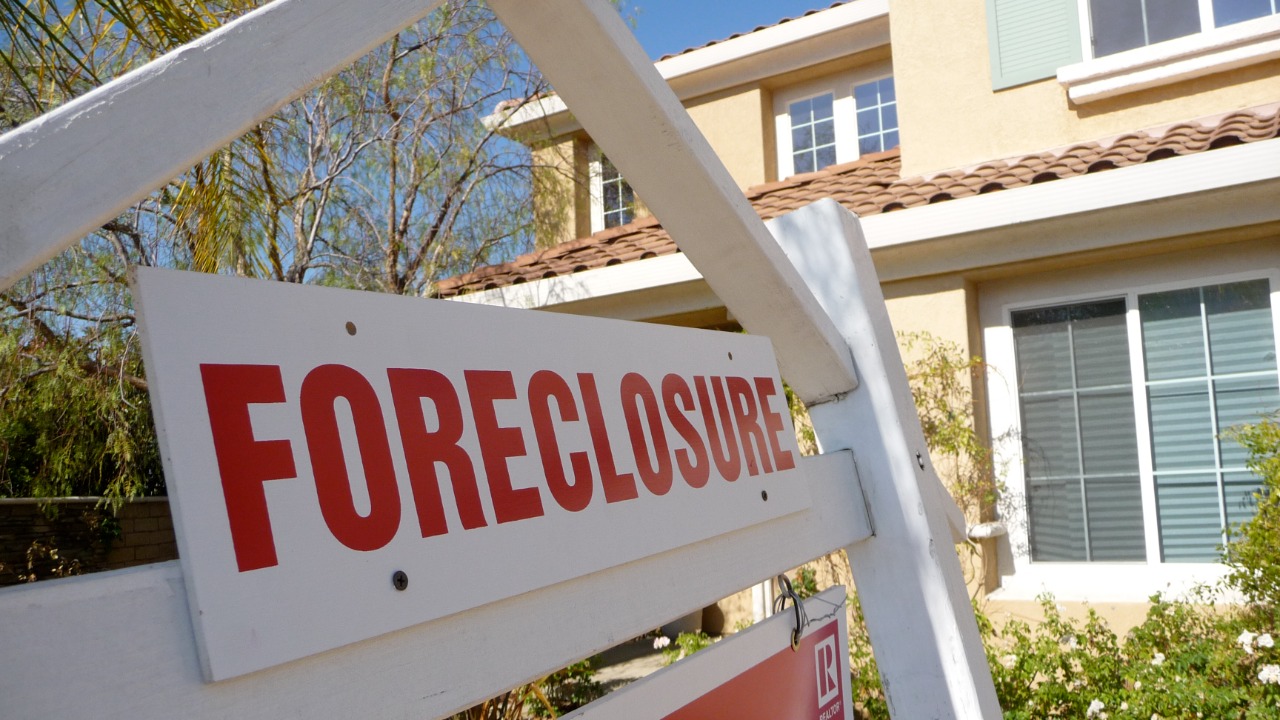
Foreclosure is back at the center of the U.S. housing story, as lenders step up efforts to reclaim properties from struggling borrowers and investors circle distressed deals. The latest data show a clear upswing in filings, repossessions, and foreclosure starts, signaling a new phase in the market cycle rather than a repeat of the last crisis. I see a housing landscape where pressure is building unevenly, with some borrowers and regions bearing far more strain than others.
The new foreclosure wave, by the numbers
The most striking shift is how broad the increase in foreclosure activity has become across the country. Nationally, filings, starts, and repossessions all moved higher in 2025, a pattern that analysts describe as a significant uptick rather than a localized blip. I read this as a sign that the era of ultra-cheap money and blanket forbearance is firmly over, and the system is now flushing out loans that were only sustainable under emergency conditions.
Within that broader rise, one figure stands out: 46,439 properties were taken back by Bank repossessions as Lenders moved from legal filings to actually seizing homes. That number is still far below the worst years after the financial crisis, but it represents a clear acceleration from 2024 and confirms that this is not just paperwork piling up in court dockets. In my view, once repossessions climb into the tens of thousands, the conversation shifts from isolated hardship to a systemic adjustment that can ripple through neighborhoods, local tax bases, and rental markets.
Why filings are rising faster for vulnerable borrowers
Behind the national totals, the pain is not evenly distributed. Borrowers with thinner financial cushions, especially those using government-backed products, are seeing the sharpest stress. Data on the Housing Market show that US foreclosure filings rose 14 percent in 2025, with FHA borrowers facing a notably higher risk as payment shocks and income volatility collide with tighter underwriting standards in the Mortgage pipeline. When I look at that 14 percent jump, I see a cohort of owners who bought at the edge of affordability now running out of room to maneuver.
That same pattern shows up in how Foreclosure starts are behaving. Lenders began the Foreclosure process on a growing share of delinquent loans, a trend that a detailed breakdown of filings links directly to borrowers with FHA exposure and limited equity. I interpret this as a shift from the pandemic-era norm, when servicers bent over backward to modify or extend loans, to a more traditional posture where missed payments more quickly trigger legal action. For households that stretched to buy during the boom, that change in posture can be the difference between a temporary setback and the loss of a home.
Market recalibration, not a 2008-style collapse
It is tempting to see any spike in foreclosure activity as a prelude to another housing crash, but the underlying data point to a more nuanced story. Analysts tracking FORECLOSURE ACTIVITY INCREASES describe the current rise as a market recalibration, with strong employment and sizable homeowner equity buffers preventing a cascade of forced sales. In other words, the system is working through overdue distress rather than buckling under a wave of job losses and collapsing prices, which is how I distinguish this moment from the last major downturn.
That perspective is reinforced by commentary that Foreclosures Rise, What It Means for the broader economy is less about systemic failure and more about normalizing from artificially low levels of Foreclosure during the pandemic. A closer look at Foreclosures Rise suggests that while activity is climbing again, it is doing so from a historically depressed base, and many owners still have enough equity to sell before they are pushed all the way through the legal process. From my vantage point, that equity cushion is the key reason this wave looks more like a pressure release than a full-blown crisis.
Regional hotspots and investor opportunity
Even if the national picture looks like a controlled reset, some states and cities are clearly under more strain. In online tracking of U.S. Foreclosure Rates by State, one widely shared Comments Section highlights that While foreclosure filings, starts, and repossessions all rose compared to 2024, activity remains below the peak years and is concentrated in a handful of high-risk markets. I see that clustering as a warning sign for local officials, because a surge of distressed properties in a single metro can drag down surrounding values and strain municipal budgets even if the national averages look manageable.
At the same time, investors are already positioning around what one analysis calls The Latest Foreclosure Wave, What This Means for Investors. The message to buyers of distressed assets is clear: Foreclosures are rising nationwide, creating a larger pipeline of potential deals, with some markets seeing activity up 13.9 percent from a year ago according to Latest Foreclosure Wave. From my perspective, that influx of investor interest can be a double-edged sword: it can stabilize neighborhoods by quickly absorbing vacant homes, but it can also tilt more housing stock into rental portfolios at a time when ownership is already slipping out of reach for many families.
Affordability crisis keeps feeding the pipeline
None of this is happening in a vacuum. The same affordability crisis that priced out would-be buyers is now catching up with owners who stretched to get in. A recent study found that Foreclosures are soaring in the US amid an ongoing affordability crunch, with one state singled out as being hit the worst by Foreclosure filings in the latest data. When I connect that finding with the broader rise in filings and repossessions, I see a feedback loop where high prices, elevated rates, and stagnant wages keep pushing marginal borrowers toward default, even as overall home values remain high.
That loop is visible in the granular breakdown of FORECLOSURE ACTIVITY INCREASES, where Lenders started the foreclosure process on a growing share of delinquent loans, yet the overall foreclosure rate is still well below the peak of 2.23 percent in 2010 according to FORECLOSURE ACTIVITY INCREASES. I read that gap as both a relief and a warning. It shows that the system has not yet tipped into crisis territory, but it also underscores how much room there is for distress to grow if affordability does not improve. For now, the foreclosure wave looks like a serious but contained phase of the cycle, one that will test how resilient the post-pandemic housing market really is.
More From The Daily Overview

Elias Broderick specializes in residential and commercial real estate, with a focus on market cycles, property fundamentals, and investment strategy. His writing translates complex housing and development trends into clear insights for both new and experienced investors. At The Daily Overview, Elias explores how real estate fits into long-term wealth planning.

