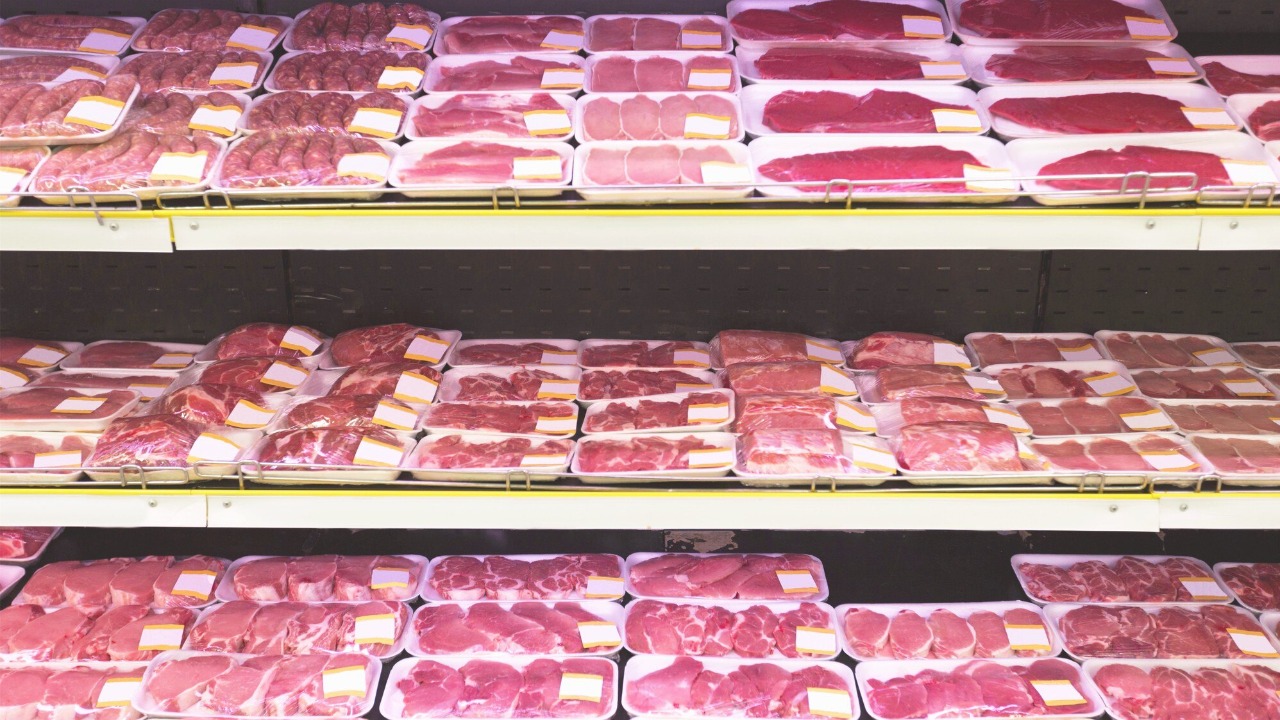
Beef has become one of the clearest symbols of America’s food inflation, with prices hovering near historic peaks even as shoppers keep tossing steaks and ground chuck into their carts. Instead of walking away from the meat case, households are reshuffling budgets, trimming elsewhere, or trading down in cuts so they can keep beef on the table. The result is a market where record costs collide with remarkably stubborn demand.
I see that tension everywhere from backyard grills to fast-casual menus, where burgers and brisket remain non‑negotiable comforts even as they strain family finances. The numbers show that this is not a niche splurge but a core grocery habit that many consumers are unwilling to abandon, even in a period of broad price pressure on food.
Beef prices hit records while spending keeps climbing
Retail beef prices have been climbing for years, turning what used to be a weeknight staple into one of the most expensive items in the meat case. Analysts tracking supermarket scanner data report that in 2024 shoppers spent over $40 billion on fresh beef, which made up more than half of all fresh‑meat sales. That level of spending, recorded on Nov 22, 2025 for purchases in 2024, underscores how central beef remains to the American diet even as prices flirt with all‑time highs.
Those price gains are not happening in a vacuum. Food at home overall has become far more expensive, with one analysis finding that grocery prices have risen about 30 percent since early 2020 and that beef prices have been soaring for five years while the average price per pound remained at $6.32 as of Oct 23, 2025. When a single protein commands that kind of premium yet still dominates meat‑case revenue, it signals a product that has crossed from occasional indulgence into something closer to a cultural necessity.
Why Americans refuse to give up beef
Even as prices climb, Americans keep buying beef because it occupies a unique place in both taste and tradition. Survey work and sales data show that Americans spent over $40 billion on fresh beef in 2024, a figure that reflects not just holiday roasts but everyday ground beef for tacos, spaghetti, and burgers. In interviews, shoppers often say there is “nothing that forces” them to buy beef, yet they still do, which suggests that habit and preference are powerful enough to override sticker shock for many households.
Consumer research going back to Jan 30, 2018, in a report titled Understanding Beef Demand, found that beef quality, consumer incomes, and attention to nutrition all shape how much people are willing to buy. That study, part of a broader effort under the banner of Understanding, concluded that when consumers perceive beef as high quality and protein rich, they are more likely to absorb higher prices rather than switch to other meats. The current market, where shoppers keep reaching for beef despite record costs, looks like a real‑world test of those findings.
Protein culture and the “must‑have” burger
Over the past decade, protein has become a kind of macro‑nutrient obsession, and beef has ridden that wave. Industry analysts note that a consumer craze for protein is driving beef demand, with one expert pointing out that, Yes, beef prices have escalated, but they have not risen faster than the improvement in overall hourly wages, which helps explain why demand remains resilient. According to reporting on Sep 17, 2025, this consumer craze has helped beef outpace pork and poultry combined in some measures of demand growth.
That cultural shift shows up in everyday choices, from high‑protein meal‑prep apps to restaurant chains that build entire menus around burgers and steak bowls. In a Jul 22, 2025 segment, anchor Michelle walked through how, even in the heat of grilling season when prices for beef at the grocer are at their steepest, shoppers still crowd the meat aisle for ground beef and steaks, a pattern captured in a widely shared summer grilling report. When protein is framed as essential to fitness and satiety, the burger becomes less of a treat and more of a perceived dietary requirement, which makes consumers more willing to tolerate higher prices.
Supply shocks, packer power, and why prices stay high
On the supply side, the story is far less about indulgence and more about constraint. Years of drought and high feed costs have thinned cattle herds, tightening the pipeline of animals headed to slaughter and keeping wholesale prices elevated. A detailed industry blog on Mar 18, 2025, titled What, Causing the Increase, Beef Prices, explained that one of the most immediate pressures is the reduced cattle supply, and that even though there was a reduction in demand during some inflationary spikes, many consumers still do not signal that they will eat less beef, a dynamic laid out in the analysis of what is causing the increase.
Another layer is how the beef supply chain is structured. A Nov 2, 2025 policy brief argued that Beef prices are at record highs not because of U.S. ranchers or tariffs, but because dependence on foreign processing and a concentrated packing sector has limited competition, a critique summed up in the call to “Beef prices: Blame the packers, Not America’s Ranchers.” That piece, framed under KEY POINTS, urged policymakers to expand domestic processing capacity and restore fair competition, contending that current packer dominance helps keep retail prices elevated even when ranchers themselves are not reaping record profits, a tension laid out in the Beef prices critique.
Consumers adapt instead of abandoning beef
Faced with higher prices, shoppers are not walking away from beef so much as reshaping how they buy it. Industry data from Sep 27, 2022, which looked at inflationary trends during 2022, found that consumers still appear to be buying beef, but they are more likely to shift to cheaper cuts or smaller package sizes, a pattern described in the inflationary trends analysis. That might mean choosing chuck roast over ribeye, or stretching a pound of ground beef with beans and vegetables to make it feed more people.
Reporting on Sep 17, 2025 found a similar pattern at the checkout, noting that spending on beef appears to be holding up even as some households in Texas and New Mexico report cutting back on other grocery items to afford ground beef, a detail captured in a cost‑of‑living survey. In other words, the adjustment is less about abandoning beef and more about trading down, buying in bulk when possible, or reallocating money from snacks and prepared foods to keep that package of Ground beef in the cart.
How long can strong beef demand last?
With prices already near records, the natural question is how long consumers can keep absorbing the hit. Market analysts who spoke on Nov 16, 2025, in a discussion framed as Are Cattle Prices, Too High, Experts Say No, argued that strong cattle prices could continue through the end of the decade because consumers still appear willing to pay. They pointed out that, despite political pressure from Washington, retailers and restaurants are not yet seeing the kind of demand destruction that would normally follow a prolonged price spike, a view laid out in the experts say briefing.
At the same time, broader food inflation is testing household budgets in ways that could eventually force harder choices. With Oct data showing that food at home prices are up roughly 30 percent since early 2020 and that Beef prices have been soaring for five years, the room for consumers to keep absorbing increases is shrinking, as detailed in the food inflation breakdown. If wages stop keeping pace or if another shock hits the supply chain, the current pattern of trading down rather than cutting back could give way to a more decisive shift toward cheaper proteins.
More From TheDailyOverview
- Dave Ramsey warns to stop 401(k) contributions
- 11 night jobs you can do from home (not exciting but steady)
- Small U.S. cities ready to boom next
- 19 things boomers should never sell no matter what

Grant Mercer covers market dynamics, business trends, and the economic forces driving growth across industries. His analysis connects macro movements with real-world implications for investors, entrepreneurs, and professionals. Through his work at The Daily Overview, Grant helps readers understand how markets function and where opportunities may emerge.

