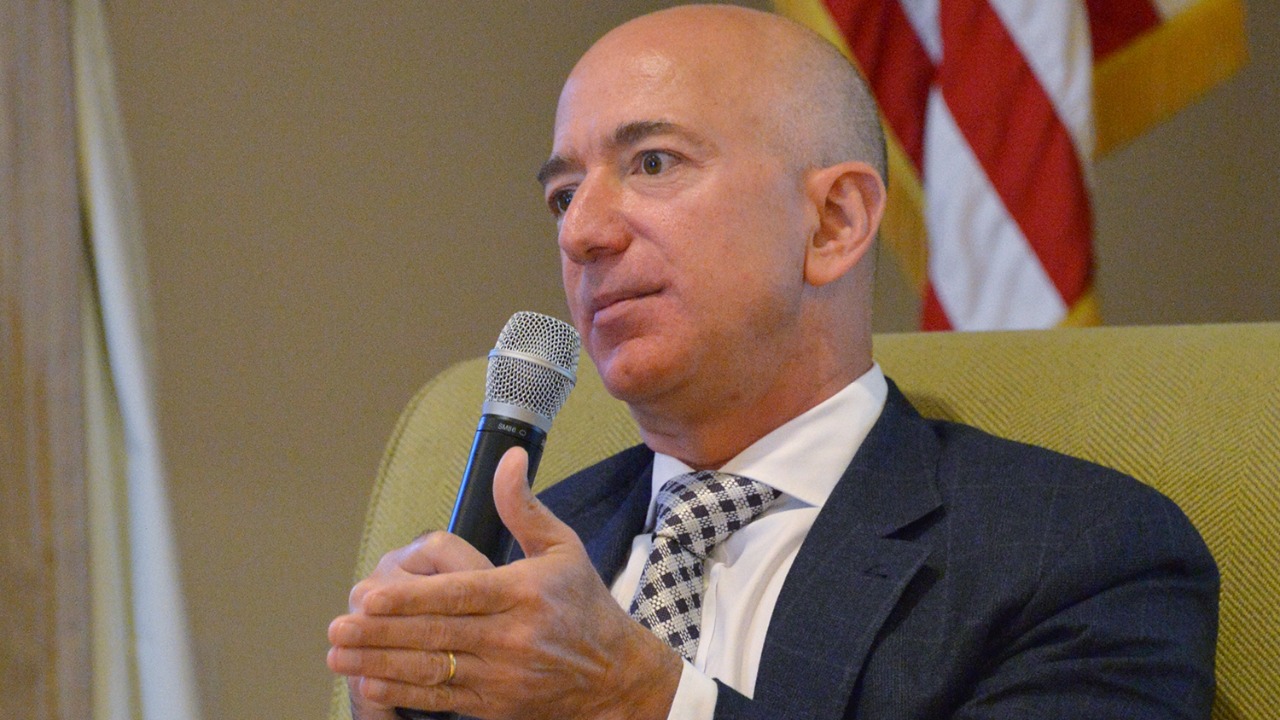
Jeff Bezos, one of the wealthiest people on the planet, has a net worth that often seems unfathomable to the average person. Understanding the scale of his wealth and its potential impact on various aspects of society can provide insight into economic disparities and philanthropic possibilities.
The Scale of Bezos’ Wealth

Jeff Bezos’ wealth is often compared to the GDP of small nations. As of 2023, his net worth hovered around $200 billion, surpassing the economic output of countries like New Zealand or Hungary. To put this into perspective, if Bezos decided to distribute his wealth evenly among the 331 million people in the United States, each person would receive approximately $600. This thought experiment, while hypothetical, illustrates the vast disparity between billionaire wealth and average income. The idea of distributing billions among the populace prompts discussions about wealth inequality and its societal impact.
Visualizing such massive amounts can be challenging. Imagine spending $1 million every day; it would take more than 500 years to exhaust $200 billion. To relate this to everyday expenses, consider that buying a new car, like a 2023 Honda Accord at around $27,000, would be akin to purchasing a cup of coffee for someone like Bezos. The wealth he possesses opens up vast possibilities for societal change if allocated towards addressing pressing issues such as poverty, education, or healthcare. These considerations raise intriguing questions about the potential impact of wealth when used for public good.
Philanthropy and Social Responsibility
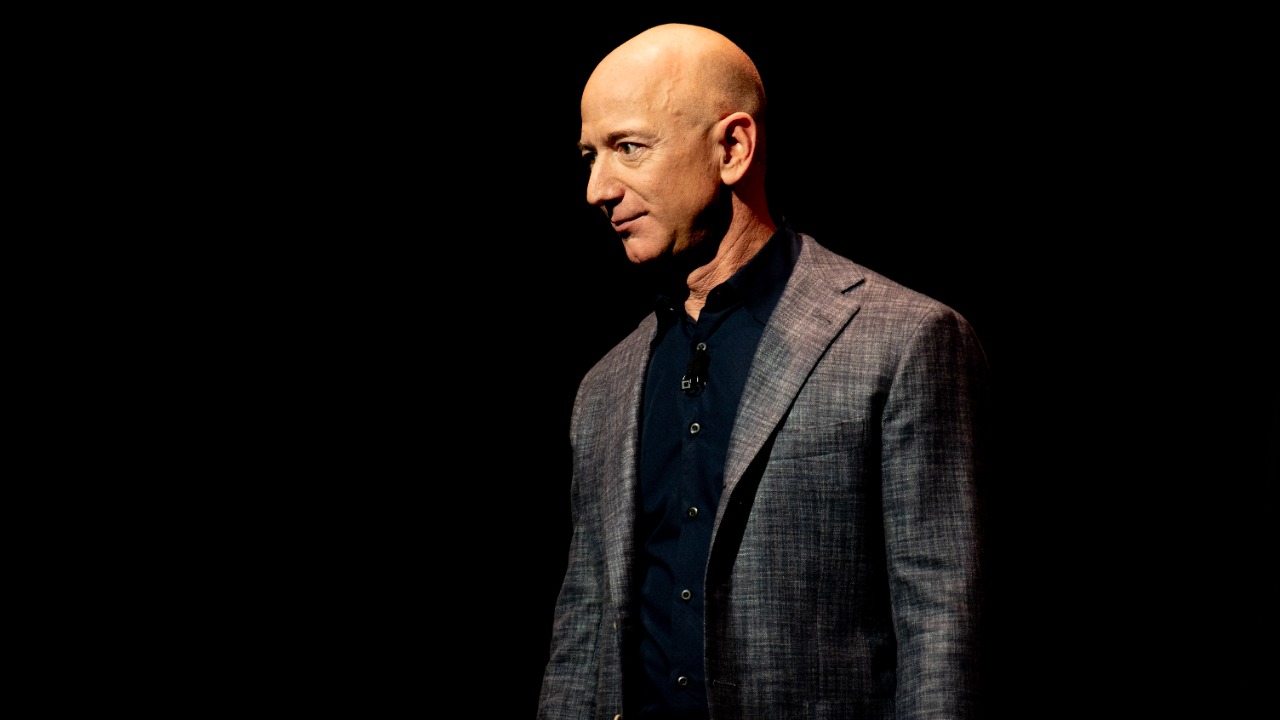
Jeff Bezos’ philanthropic endeavors, although significant, often come under scrutiny. His Day One Fund, launched with a commitment of $2 billion, aims to support non-profits addressing homelessness and create a network of preschools in underserved communities. While these initiatives have had positive outcomes, critics argue that the scale of his philanthropy does not match the magnitude of his wealth. Comparing his efforts to other billionaires, Bezos’ contributions may seem modest, prompting debates about the responsibilities of the ultra-wealthy.
Billionaires have increasingly influenced educational reforms, with figures like Bezos, Elon Musk, and Mark Zuckerberg investing in educational initiatives. For example, Bezos has pledged millions toward educational initiatives, sparking discussions about the role of wealthy individuals in shaping educational policy. While these investments can drive innovation, they also raise concerns about the privatization of education and the accountability of billionaires in these reforms. A detailed examination of such contributions reveals a complex interplay between private wealth and public education.
Media Influence and The “Bezos Effect”
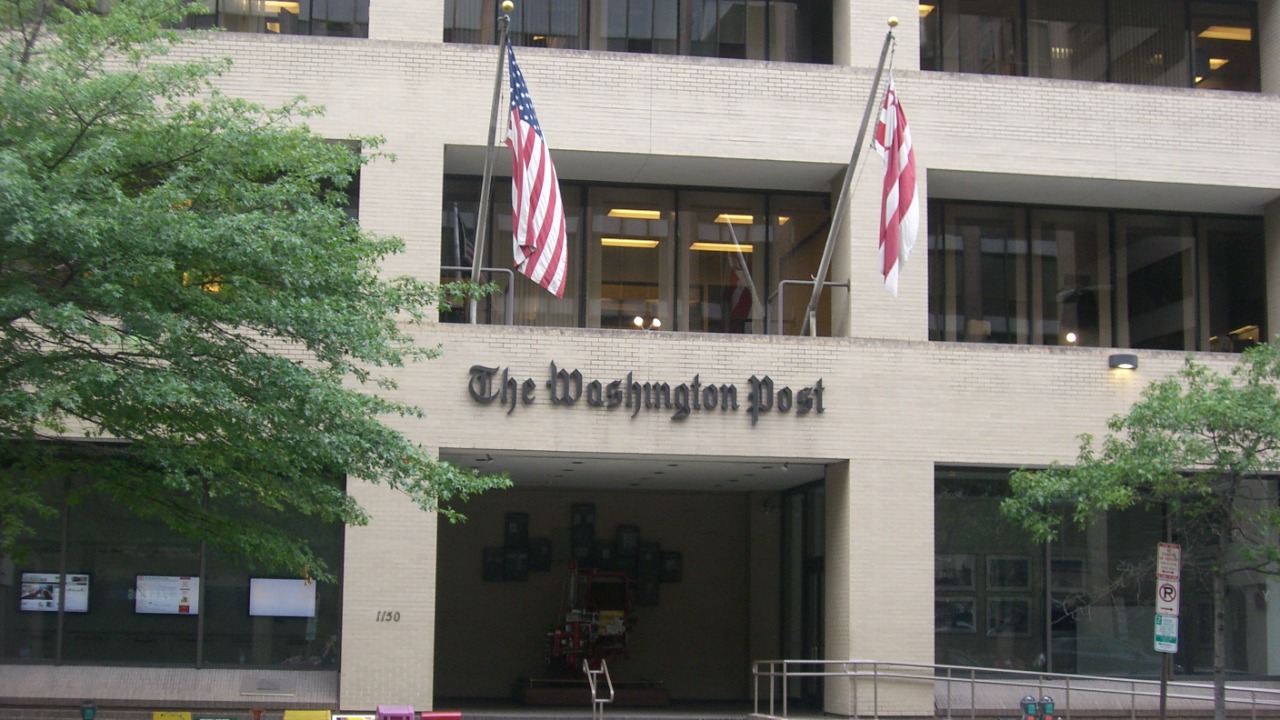
Jeff Bezos’ acquisition of The Washington Post in 2013 has significantly impacted the newspaper’s operations and editorial direction. Under his ownership, the publication has embraced digital transformation, enhancing its reach and influence in the media landscape. This period, often referred to as the “Bezos Effect,” has led to increased subscriptions and a stronger online presence. However, concerns about editorial independence and the influence of wealthy owners on journalistic integrity continue to spark debate.
The broader implications of billionaire ownership in the media extend beyond The Washington Post. As billionaires acquire media outlets, questions arise about the potential for biased reporting and the concentration of media power. This trend has raised concerns about the future of journalism and its role in democratic societies. While Bezos’ influence on the media has brought about positive changes in some areas, it also underscores the need for vigilance in preserving diverse and independent voices in journalism.
Economic Inequality and Tax Policy
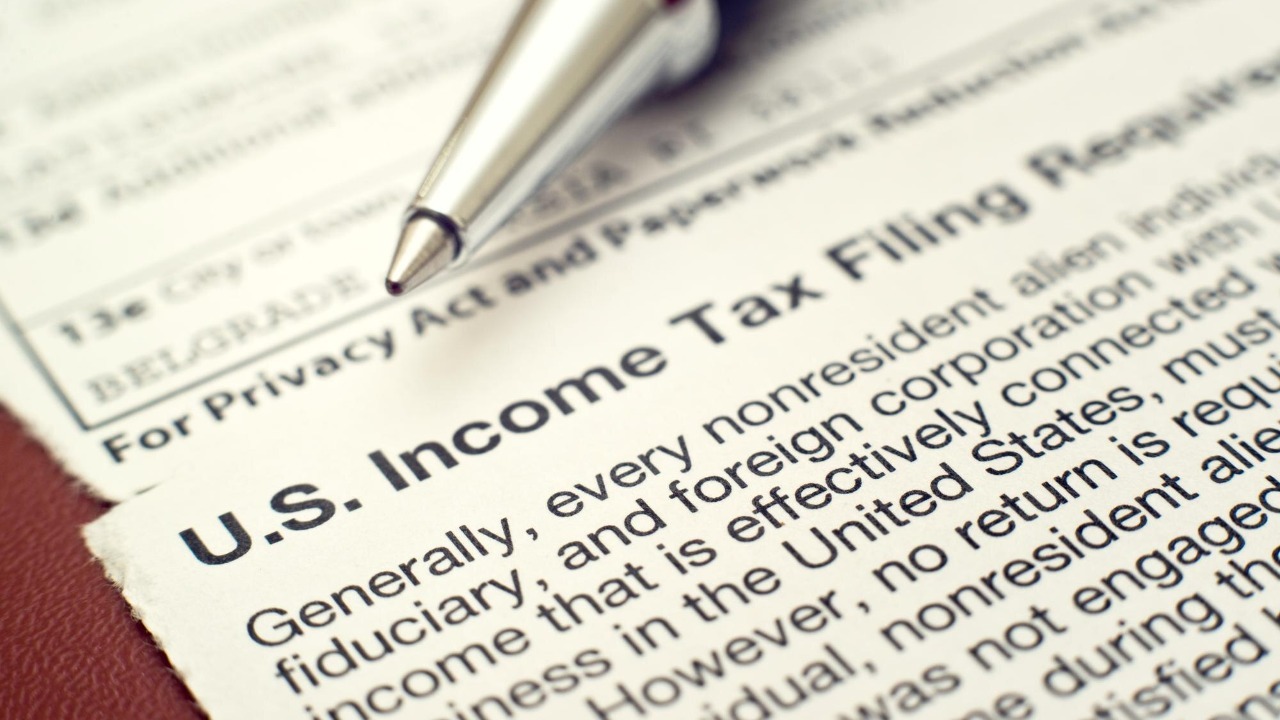
The accumulation of wealth by billionaires like Jeff Bezos highlights systemic issues within current tax policies. These policies often favor the wealthy, enabling them to amass fortunes while contributing relatively less to public coffers. The role of tax policy in wealth concentration has become a focal point in discussions about economic inequality. Critics argue that reforms are necessary to ensure a fairer distribution of wealth and resources.
Potential reforms might include measures like wealth taxes or increased capital gains taxes, aimed at reducing economic disparities. As public awareness of these issues grows, there is mounting pressure on policymakers to address the imbalance. The perception of billionaires’ wealth and the call for equitable policies reflect a broader societal shift toward addressing inequality and fostering a more inclusive economy.
The Future of Billionaire Influence
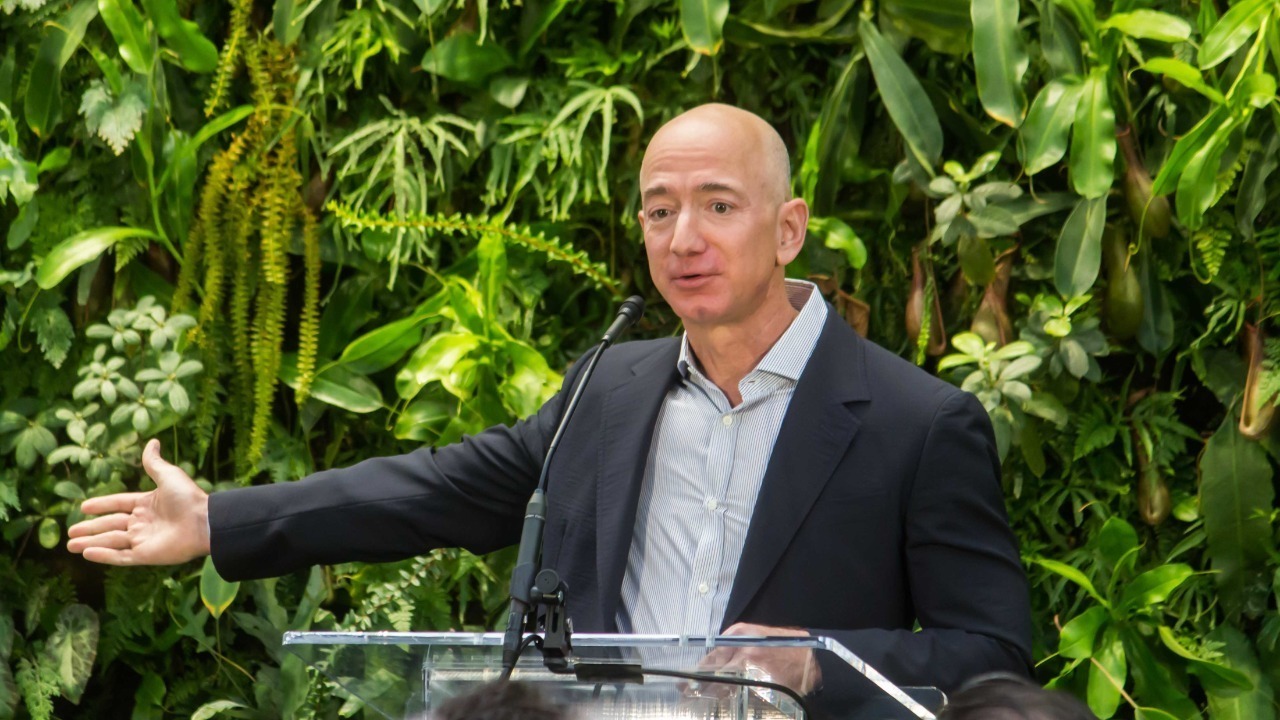
Looking ahead, the influence of billionaires like Jeff Bezos on global economies and societies is poised to grow. As technology and globalization continue to reshape the world, billionaires wield significant power in shaping future trends. Whether through philanthropy, business practices, or political influence, their decisions will have far-reaching consequences for generations to come.
Bezos’ legacy will likely be defined by his contributions to technology, business innovation, and philanthropy. However, the emerging trends in billionaire influence suggest a shift toward greater social responsibility and ethical business practices. As society grapples with the challenges of the 21st century, the actions of billionaires will play a crucial role in determining the course of global change.