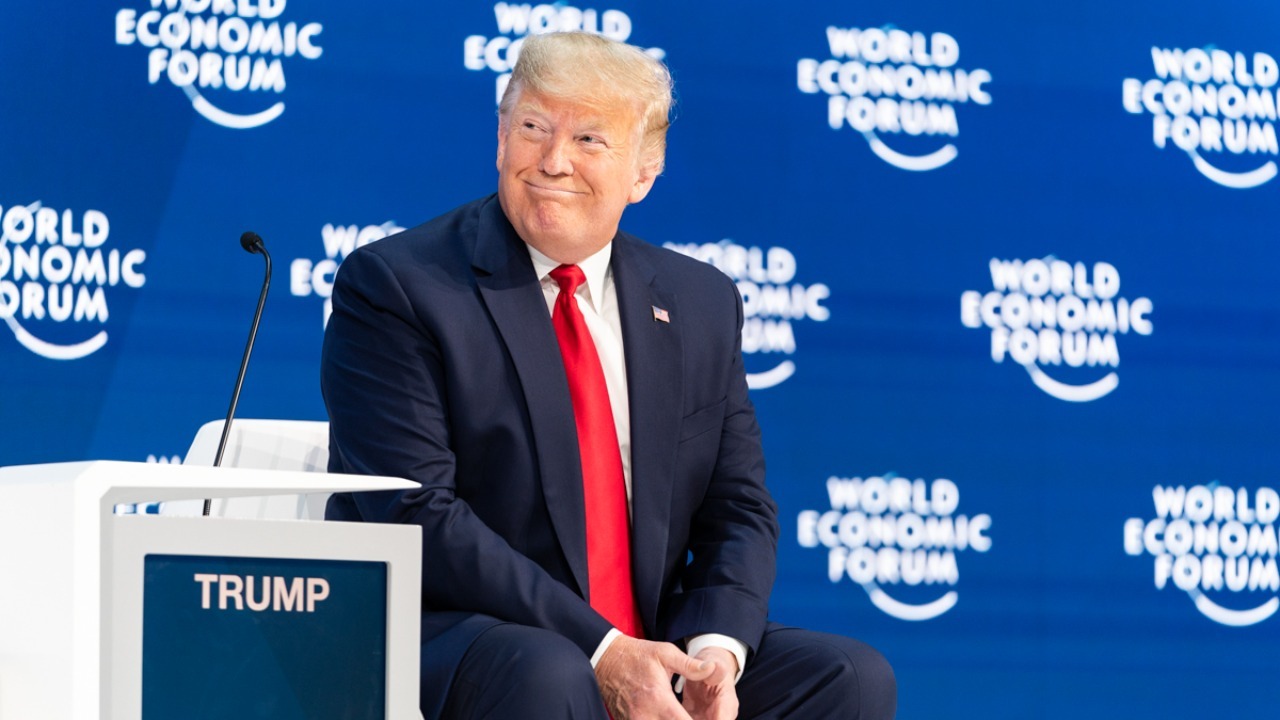
Big technology and artificial intelligence firms are pouring unprecedented sums into Washington as President Donald Trump champions rapid deployment of new tools and data infrastructure. Lobbying that once focused on narrow regulatory skirmishes has swollen into a full‑scale campaign to shape the rules of the AI era, from data centers and energy use to liability and state oversight. Experts who track the space say the money is moving faster than the safeguards, and many are now openly warning that the political system is not ready for what is coming.
At the center of this scramble is a simple calculation: whoever writes the first generation of AI rules will lock in advantages for years. That is why companies that built their brands on disruption are now investing heavily in old‑fashioned influence, hiring K Street veterans, courting the White House and leaning on Congress to keep the path clear for aggressive expansion.
Record spending and a new Trump-era alliance
The biggest tech and AI companies spent a record $109 million on lobbying last year as they sought favorable policies from Donald Trump’s administration, a figure that captures how central Washington has become to their business models. I see that surge as the clearest sign yet that Silicon Valley no longer treats politics as a peripheral risk but as a core arena where market share and valuation are won or lost. The relationship between Silicon Valley and Washington has shifted into a more deliberate, investor‑relevant phase under President Donald Trump, with AI policy now framed as an engine of national competitiveness rather than a niche regulatory topic, a dynamic reflected in detailed analysis of record lobbying.
Armies of lobbyists have translated that spending into concrete wins during the first year of Trump’s second term, helping Big Tech secure outcomes that align with their growth plans in areas like antitrust scrutiny, content rules and AI deployment. Reporting on how armies of lobbyists helped Big Tech rack up victories underscores that this is not just about headline numbers but about a sustained presence in hearings, rulemakings and back‑channel negotiations. Other major tech and AI players also increased their lobbying footprints in 2025, with Alphabet’s spending reaching $16.62 million, a figure that signals how even established giants feel compelled to bulk up their political operations.
Data centers, energy fights and the infrastructure land grab
Behind the abstract talk of “AI innovation” sits a very physical build‑out of data centers that consume enormous amounts of electricity and water, and that build‑out is now a major focus of lobbying. Utility and AI interests are spending millions lobbying Congress and Trump to support a data center boom, pressing for favorable siting rules, transmission upgrades and subsidies that can make or break projects in specific regions, according to detailed accounts of how Utility and AI interests are reshaping federal energy debates. I read those efforts as a sign that the AI industry understands its dependence on public infrastructure and is determined to socialize as many of the costs as possible while privatizing the upside.
New lobbying disclosures reviewed by NOTUS show that these special interests spent big money late last year to secure provisions related to transmission planning, grid reliability and renewable energy development and generation, all framed as necessary to keep up with AI‑driven demand. That push, described in detail in reporting that cites NOTUS, effectively turns energy policy into AI policy, with local communities often learning about the trade‑offs only after deals are in motion. As data centers proliferate near manufacturing hubs and logistics corridors, the stakes extend beyond electricity bills to land use, water rights and the resilience of critical infrastructure.
Executive orders, preemption and the battle over who regulates AI
While Congress struggles to pass comprehensive AI legislation, the White House has moved aggressively to set the terms of debate through executive action. On December 11, the White House issued an executive order titled “Ensuring a National Policy Framewor” that challenges state AI laws and asserts a broad federal role in setting standards, a move that legal analysts see as a bid to preempt a patchwork of state rules that companies find burdensome. The order creates an AI Litigation Task Force and signals that federal officials will scrutinize state measures that place what they view as an undue burden on interstate commerce, as outlined in a detailed client alert on Ensuring a National Policy Framewor.
Industry lobbyists have largely welcomed the promise of a single national framework, but experts warn that preemption can easily become a shield against stronger protections emerging in states like California. Commentators tracking AI policy in 2026 argue that people are being encouraged, even forced, to use AI for everything from their workflows and research to their interpersonal relationships, which raises the stakes of who gets to write the rules and how quickly they can be updated, a concern captured in forward‑looking analysis of what People face in AI policy this year. I see a growing tension between a federal push for uniformity and state‑level experiments in algorithmic accountability, with lobbyists working hard to tilt that balance toward the least restrictive baseline.
AI czars, K Street winners and a nervous industry
The Trump administration’s embrace of AI has not been friction‑free inside the industry itself, particularly as key personnel take a more combative approach to regulation. Big Tech executives and their lobbyists worry that Trump’s AI czar, David Sacks, and his bulldozing style have created new friction with some allies even as they celebrate deregulatory wins, a dynamic described in reporting that notes how Sacks recently notched a big win in California. I read that unease as a reminder that even companies pushing for lighter rules want predictability, and they fear that aggressive tactics could provoke backlash from courts, states or foreign regulators.
On K Street, however, the AI gold rush has already minted clear winners. A Trump‑linked firm has rocketed to the top of the influence rankings after a lobbying spending splurge, capitalizing on the administration’s focus on international matters from Venezuela to Greenland and on corporate clients eager to navigate that agenda, according to detailed accounts of how Lobbyists are cashing in. Other technology leaders are pursuing similar playbooks, expanding their government relations teams and seeking to shape narratives in the year ahead, a trend highlighted in analysis of how Other firms are recalibrating their Washington strategies.
Experts hit the panic button on risks and accountability
As the money flows, a growing chorus of experts is warning that the policy conversation is lagging behind the real‑world risks of AI deployment. Cybersecurity specialists predict a sharp rise in sophisticated attacks on manufacturing, utilities and transportation sectors, arguing that AI‑enhanced tools will make it easier to probe and exploit critical systems, a concern spelled out in 2026 predictions that tie these threats to broader digital trends. Legal analysts, meanwhile, are mapping how AI tools used in hiring, credit scoring and workplace monitoring could run afoul of existing civil rights and labor laws, a challenge captured in guidance on Trends For 2026 that emphasize navigating the patchwork of laws and risks when using AI tools for employment.
On Capitol Hill, some lawmakers are trying to catch up, but they are outgunned by the scale and sophistication of industry lobbying. During a U.S. Senate Commerce Committee hearing, Representative John Curtis pressed experts on algorithms and called for tech industry accountability, highlighting the need for better research methods to understand how automated systems shape everything from news feeds to credit offers, a push detailed in coverage of how Curtis is framing the issue. At the same time, Big Tech’s armies of lobbyists continue to deliver victories, as documented in a Press release from Issue One that underscores how far the balance of power has tilted toward corporate players.
More From TheDailyOverview
*This article was researched with the help of AI, with human editors creating the final content.

Grant Mercer covers market dynamics, business trends, and the economic forces driving growth across industries. His analysis connects macro movements with real-world implications for investors, entrepreneurs, and professionals. Through his work at The Daily Overview, Grant helps readers understand how markets function and where opportunities may emerge.

