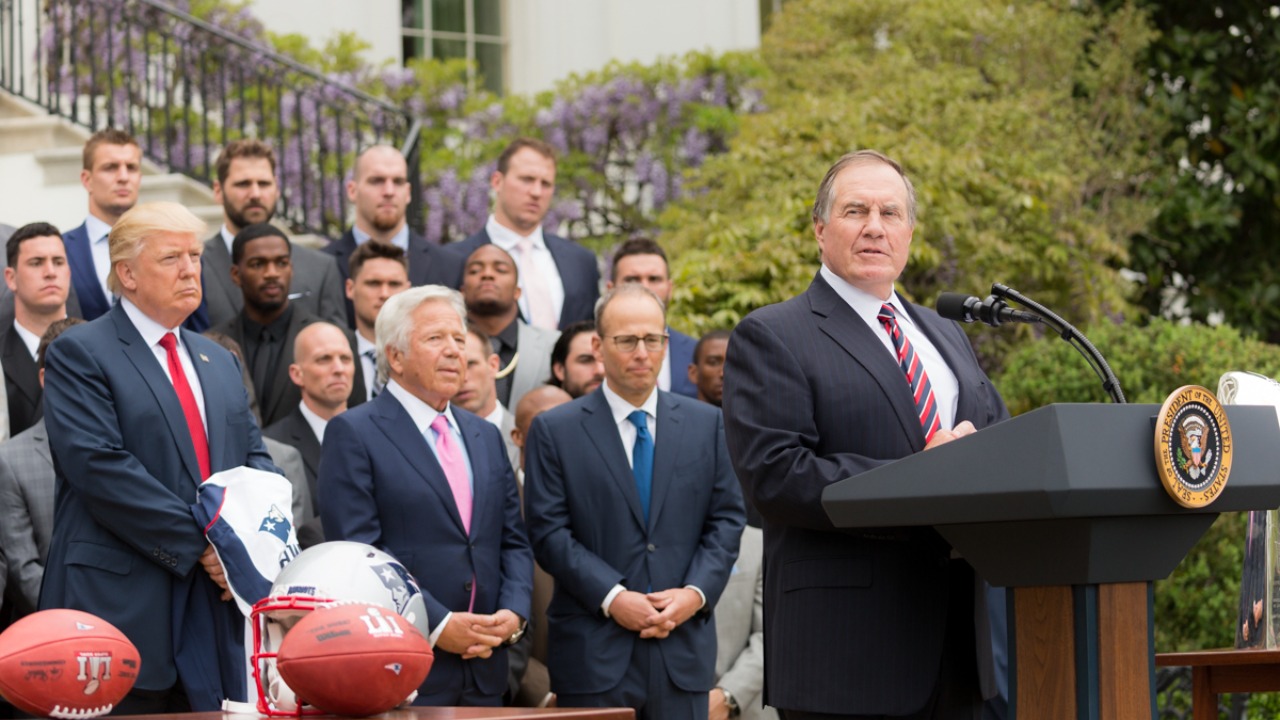
Tim Tebow once walked away from a $1 million endorsement offer after a conversation with Bill Belichick, only to be released by the New England Patriots before the regular season. On its face, it sounds like the perfect setup for a lifelong grudge. Instead, Tebow has spent years publicly defending the coach whose advice cost him a seven‑figure payday and a roster spot.
The story of why there is no bitterness is less about a single transaction and more about how Tebow understands trust, calling, and the brutal honesty of the NFL. It is a window into how one former NFL quarterback processes disappointment, and how a famously cold‑eyed coach communicates expectations inside a cutthroat league.
The million‑dollar offer that never happened
The opportunity that tempted Tim Tebow was as straightforward as it was lucrative: a one‑day commercial shoot that would have paid him $1 million. He has described it as an “awesome opportunity” from a company he admired, a partner that “stood for really amazing things” and wanted him as the face of a campaign at a moment when his chances of sticking with the Patriots were minimal. In his telling, the work would have taken only a day, a tiny slice of his offseason, for life‑changing money tied to a brand he respected, which he later detailed in an interview that was recapped through Feb.
Yet Tebow did not treat the offer as a no‑brainer. He was in Foxborough fighting for a roster spot, trying to extend an NFL career that had already taken him from the Denver Broncos to the New York Jets and now to a Patriots team that demanded total focus. He has said that he viewed every decision through the lens of whether it would help him impress his new coach, and that context shaped what happened next, as he later recounted in detail to Fox Sports.
The call to Coach Belichick and a blunt answer
Before he signed anything, Tebow picked up the phone and called the man whose opinion mattered most to his football future. He has consistently referred to him as Coach Belichick, a sign of the respect he still carries, and asked a simple question: would doing the commercial be good or bad for his standing with the team. Tebow has said he trusted Belichick to be “honest and forthright” and to tell him exactly how the organization viewed outside commitments, a dynamic he later described when he revisited the story with Nov.
According to Tebow, Belichick did not order him to do anything, but he made his preference unmistakably clear. The coach told him he would “prefer” that Tebow skip the endorsement and keep his focus on football, a message Tebow interpreted as a directive if he wanted the best possible shot at making the team. Tebow has said he “didn’t even think twice” after that conversation, choosing the chance to impress Coach Belichick over the money, a choice he later framed in his own words in a passage highlighted by Jun.
Cut from the Patriots after doing “everything right”
The twist, of course, is that the sacrifice did not save his job. Tebow was released before the regular season, ending his brief stint with the Patriots and closing what would be his final meaningful shot at an NFL quarterback role. He has said he felt he had done “everything” that was asked of him, from extra film work to special‑teams reps, and that he believed he had honored every request from the coaching staff, including turning down that one‑day windfall, a sequence he later unpacked in a conversation captured in Tim Tebow.
From the outside, it is easy to see only the math: a million dollars gone and a roster spot lost. Tebow, though, has framed the episode as part of the harsh reality of the league, where even a former first‑round pick and playoff winner can be cut after doing everything a coach asks. In a short video clip that resurfaced the story, he was asked to relive the moment he was “offered a million‑doll endorsement deal for a day of work” and the conversation he had with “Bill Bich,” a retelling that circulated through Nov.
Why there is no grudge against Bill Belichick
Given that sequence, the natural assumption is that Tebow would harbor resentment toward Belichick for steering him away from the endorsement and then cutting him anyway. Instead, he has repeatedly said he holds “no grudges” and still speaks about the coach with admiration. Tebow has emphasized that Belichick was “really kind in a lot of areas” and that he appreciated the directness of their conversations, even when the outcome hurt, a perspective he shared in remarks later summarized through everything.
Part of the reason, as Tebow tells it, is that he never believed Belichick promised him a job in exchange for turning down the money. The coach simply laid out what he thought was best for the team, and Tebow chose to align with that standard. On a social media clip that revisited the story, he again walked through how he “picked up the phone” and asked for guidance, then accepted the consequences without blaming anyone, a tone that came through in a reel shared in Jan. That distinction between advice and guarantee is central to why he refuses to see himself as a victim of Belichick’s decision.
The values behind Tebow’s decision
To understand why Tebow can absorb a million‑dollar loss without bitterness, it helps to look at how he frames his identity. In his book “Shaken: Discovering Your True Identity in the Midst of Life’s Storms,” he writes about learning from the highs and lows of his NFL career and grounding his sense of worth in something deeper than depth charts or endorsement checks. He weaves in wisdom from Scriptu to argue that external success is fleeting, a theme that runs through Shaken and clearly informs how he processed the Patriots chapter.
That worldview made it easier for him to see the endorsement choice as a test of priorities rather than a financial misstep. He has said that he wanted to show Coach Belichick and the New England Patriots that he was “all in,” and that he valued the chance to compete more than a one‑time payday. A faith‑focused outlet later noted that he turned down the deal after a conversation with “New England Patriots coach Bill Be,” underscoring how he linked the decision to loyalty and calling rather than simple economics, a connection drawn in Dec.
More From TheDailyOverview
*This article was researched with the help of AI, with human editors creating the final content.

Grant Mercer covers market dynamics, business trends, and the economic forces driving growth across industries. His analysis connects macro movements with real-world implications for investors, entrepreneurs, and professionals. Through his work at The Daily Overview, Grant helps readers understand how markets function and where opportunities may emerge.