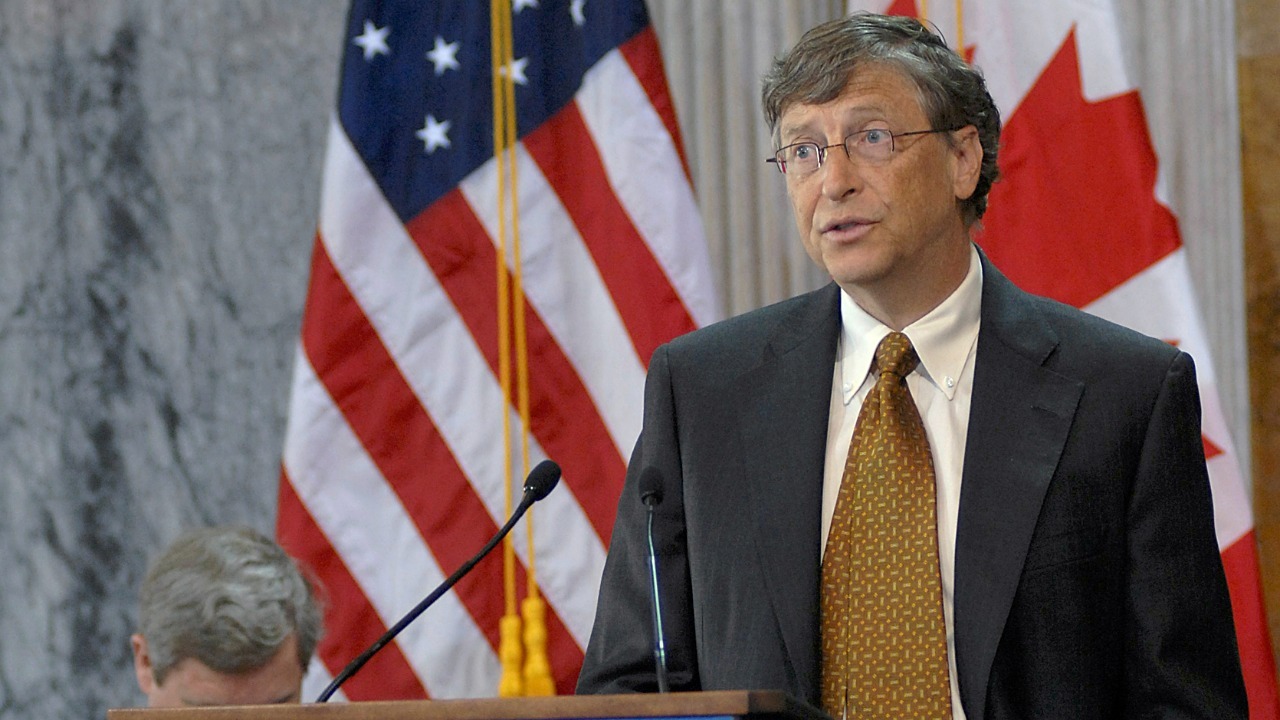
Microsoft CEO Satya Nadella recently disclosed that Bill Gates had cautioned him against investing in OpenAI, comparing the $1 billion investment to “setting $1 billion on fire.” This revelation, shared during interviews this week, highlights the significant risk Microsoft undertook in 2019 when it decided to partner with the then-nascent AI startup. Despite Gates’ skepticism, Nadella’s vision for Microsoft’s future in AI prevailed, marking a pivotal moment in the company’s strategic direction.
Gates’ Warning to Nadella
Bill Gates’ warning to Satya Nadella was stark: he likened the $1 billion investment in OpenAI to setting the money ablaze. This cautionary note was voiced during early discussions about the potential partnership with OpenAI. Gates, as Microsoft’s co-founder, wielded significant influence over internal debates, and his skepticism was rooted in concerns about the viability of AI startups like OpenAI at the time. His apprehension reflected broader industry doubts about the unproven models of AI research organizations in 2019, as noted by Nadella in a recent interview with the Times of India.
Gates’ skepticism was not unfounded, given the nascent state of AI technology and the high failure rate of startups in the field. However, Nadella’s decision to proceed with the investment highlighted a shift in Microsoft’s approach to innovation and risk-taking. This decision underscored a broader trend within the tech industry, where established companies began to embrace high-risk, high-reward strategies to maintain competitive advantages.
Microsoft’s Investment Decision
Despite Gates’ warning, Satya Nadella chose to move forward with the $1 billion investment in OpenAI, marking a significant shift in Microsoft’s AI strategy. This decision was pivotal in integrating OpenAI’s technology into Microsoft products, such as Azure, and was structured as a minority stake to mitigate some of the inherent risks. The partnership has since evolved into a mature alliance, demonstrating a successful transition from initial doubt to a dominant position in the AI sector, as reported by Business Insider.
The 2025 revelation of this internal tension between Gates and Nadella offers a fresh perspective on the partnership’s evolution. It highlights how Microsoft’s strategic gamble paid off, transforming potential risks into substantial rewards. This decision not only reinforced Microsoft’s commitment to AI but also set a precedent for other tech giants to follow, illustrating the importance of visionary leadership in navigating emerging technologies.
Reflections on the Partnership’s Impact
In 2025, Satya Nadella credited the OpenAI investment as a key factor in Microsoft’s leadership in AI, directly countering Gates’ initial prediction. The tangible successes, such as the integration of ChatGPT, underscore the transformative impact of the partnership. This shift also reflects changes in Microsoft’s internal dynamics, with Gates stepping back from his board role post-2020, allowing Nadella’s AI-focused vision to flourish without ongoing vetoes, as discussed in Unilad Tech.
Nadella’s recent comments frame Gates’ warning as a motivational challenge that ultimately paid off amid rising AI competition. This narrative not only highlights the stakes involved in the decision but also emphasizes the broader implications for stakeholders and the tech industry. As AI continues to reshape the technological landscape, Microsoft’s experience serves as a testament to the potential rewards of embracing innovative and risky ventures.
More From TheDailyOverview
- Dave Ramsey warns to stop 401(k) contributions
- 11 night jobs you can do from home (not exciting but steady)
- Small U.S. cities ready to boom next
- 19 things boomers should never sell no matter what

Grant Mercer covers market dynamics, business trends, and the economic forces driving growth across industries. His analysis connects macro movements with real-world implications for investors, entrepreneurs, and professionals. Through his work at The Daily Overview, Grant helps readers understand how markets function and where opportunities may emerge.

