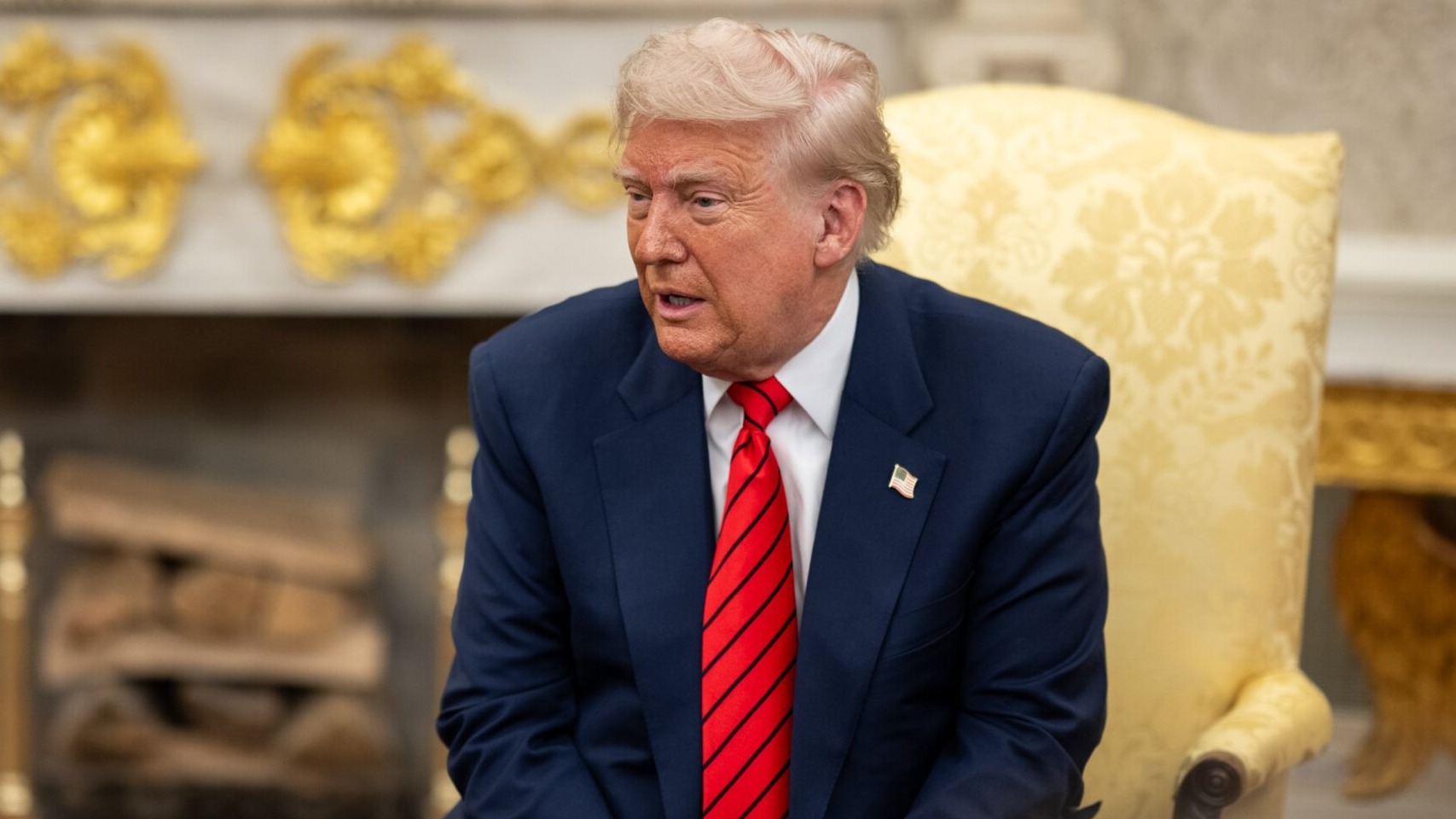
As prices climb and household budgets strain, President Donald Trump has offered a blunt prescription to American families: simply go without. In recent remarks, the billionaire president suggested parents should buy fewer toys and that Americans “can give up certain products” if tariffs and inflation make everyday items more expensive. The comments land in a country where many families are already cutting back on groceries, rent and medicine, not just pencils and dolls.
Trump’s message, delivered as he defends policies that push consumer prices higher, effectively tells families to absorb the hit rather than expect relief from the White House. Coming from a man who boasts about his wealth, the advice to “give up” products reads less like shared sacrifice and more like a lecture from someone insulated from the realities of the checkout line.
Trump’s “give up products” solution to rising costs
Trump has framed the cost of living crunch as a matter of personal choice, arguing that Americans “can give up certain products” if they are worried about affordability. In one widely circulated exchange, Trump is described telling Americans to “buy fewer toys” or “give up pencils” as if trimming small discretionary items could offset the broader surge in prices. Supporters cast this as tough-love thrift, but the framing assumes families have plenty of nonessential spending left to cut.
Another account of the same comments notes that Donald Trump explicitly said Americans “can give up certain products” such as pencils and toys, presenting these sacrifices as a reasonable response to higher prices. Critics argue that this advice ignores the reality that low income families are already skipping school supplies, delaying car repairs and juggling utility bills, long before they get to the question of holiday gifts.
“Buy fewer toys”: a billionaire’s holiday message
The most vivid example of Trump’s approach came as the holiday season approached, when he urged parents to scale back on presents for their children. Reporting from New Jersey politics coverage describes how President Donald Trump repeated what was described as a “bizarre toy rationing idea” just weeks before Christmas, telling parents to buy fewer toys for their children even as the gifting season was in full swing. The message, delivered while many families were already stressed about holiday budgets, was widely read as evidence that he is out of touch with Americans.
In a separate account of the same episode, coverage notes that President Donald Trump made these remarks during a speech defending his economic agenda, effectively telling parents that fewer gifts were an acceptable tradeoff for his policies. For families who measure their financial health by whether they can afford a single new bike or a discounted game console, being told by a billionaire president to simply scale back the joy under the tree can feel less like advice and more like a rebuke.
Tariffs, toys and the “two dolls instead of 30” defense
Trump’s comments are not just about personal budgeting, they are tied directly to his tariff strategy, which economists warn will raise prices on a wide range of consumer goods. Earlier in his term, he brushed off concerns that tariffs would make children’s toys more expensive, saying that kids might get “2 dolls instead of 30” and that parents would pay “a couple of bucks more” without much trouble. In one account, Trump is quoted dismissing worries about higher prices from tariffs, even on children’s toys, and insisting that Americans would not have to “go out of our way” to adjust.
Another report captured the same sentiment with a memorable phrase, noting that No Ken do: Trump said United States kids may get “two dolls instead of 30” because of tariffs, and that those dolls might cost more than they normally would. The casual tone, treating a cut from 30 dolls to two as a minor adjustment, underscores how far his frame of reference is from households where one doll is a splurge and a second is a luxury.
“You can give up certain products”: the rhetoric of sacrifice
Trump’s language about sacrifice has become a recurring theme as he responds to concerns about affordability. In one account of his remarks, The Republican is described making an “unexpected argument” to Americans concerned about the cost of living, telling them they could give up certain products as part of their response to higher prices. The same report notes that he did not outline comparable sacrifices of his own, reinforcing the sense that the burden of adjustment falls on those with the least room to maneuver.
A follow up account of those comments emphasizes that Americans were being asked to accept higher prices as the cost of Trump’s broader economic and trade agenda. When a president who proudly calls himself a billionaire tells families to “give up” products, the message is not just about budgeting, it is about who is expected to absorb the fallout from policy choices made in Washington.
Backlash from parents and advocates
The reaction from parents and advocates has been sharp, particularly to the idea that children’s gifts should be the first thing to go. Social media posts captured the anger, with one Instagram user, elizabeth_allen_era, responding to the remarks by calling them “very Trumpish” and sharing a graphic accusing him of “TRUMP STEALING AMERICAN KIDS’ PRESENTS.” The post quoted Trump saying “You can give up certain products. You could give up toys,” and framed the suggestion as an attack on children rather than a neutral budgeting tip.
Advocates have also highlighted how Trump’s comments single out those who already have the least. One Facebook post from a political program noted that Trump’s remarks show how out of touch he is with people struggling most, and that telling Americans to “buy fewer toys” or “give up pencils” effectively targets those who already have the least. When the president’s answer to higher prices is to tell families to do without, rather than to adjust the policies driving those prices up, the backlash is not just about tone, it is about priorities.
More From TheDailyOverview
*This article was researched with the help of AI, with human editors creating the final content.

Grant Mercer covers market dynamics, business trends, and the economic forces driving growth across industries. His analysis connects macro movements with real-world implications for investors, entrepreneurs, and professionals. Through his work at The Daily Overview, Grant helps readers understand how markets function and where opportunities may emerge.

