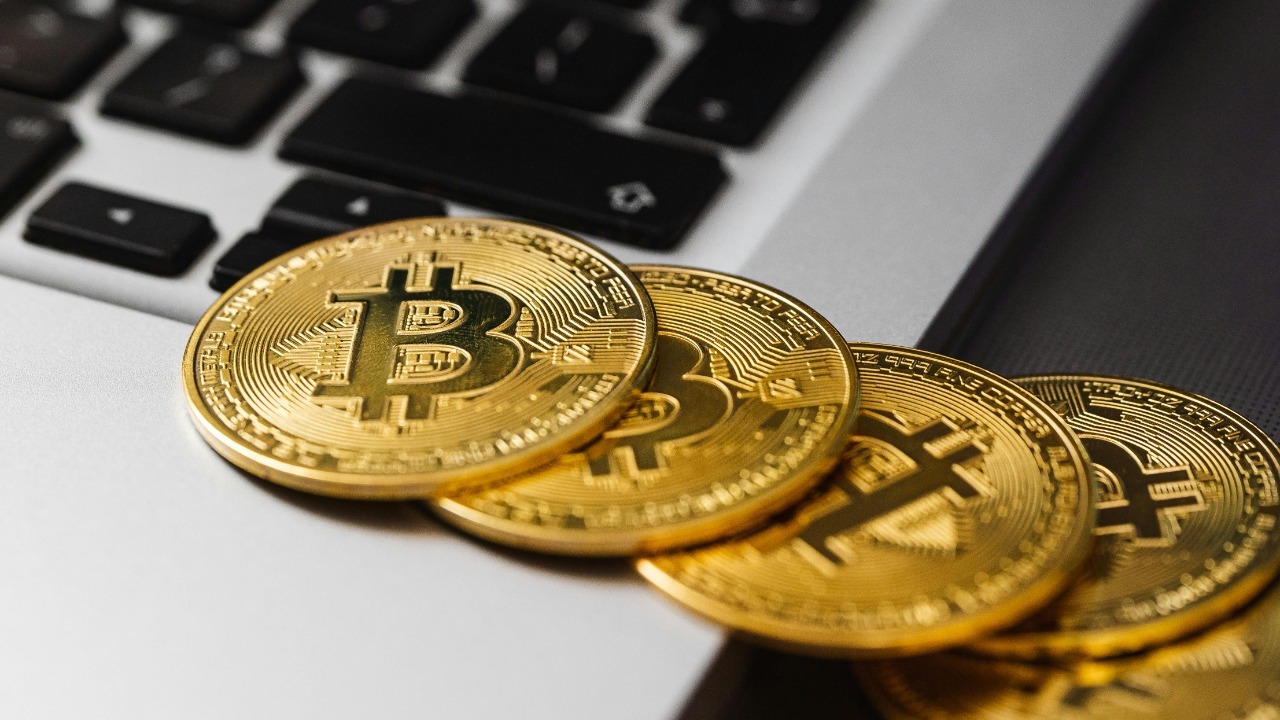
January’s Consumer Price Index report landed with a clear message for bitcoin holders: the inflation story that supported their biggest thesis is weakening. With headline CPI rising just 0.2% month-over-month and the annual rate dropping to 2.4% from December’s 2.7%, the macro environment that once made bitcoin look like a natural hedge is shifting under investors’ feet. That shift, combined with a Federal Reserve holding steady on rates, is forcing a serious reassessment of how cryptocurrency fits into portfolios built around inflation protection.
January’s CPI Print Breaks the Fever
The numbers released by the Bureau of Labor Statistics on February 13, 2026, tell a story of broad-based cooling. The widely watched CPI-U rose just 0.2% in January, with the year-over-year rate falling to 2.4%, a notable drop from the 2.7% recorded in December 2025. Core CPI, which strips out volatile food and energy prices, came in at 0.3% monthly and 2.5% annually. Energy prices fell 1.5% on the month, dragged lower by a 3.2% decline in gasoline. For consumers, that is welcome relief at the pump and in household budgets. For bitcoin investors who built positions around the idea that persistent inflation would drive demand for hard-cap digital assets, the picture is more complicated.
The practical effect of softer inflation is that it changes the calculus around real yields and rate expectations. When inflation runs hot, bonds lose purchasing power and assets like bitcoin gain appeal as alternatives. When inflation cools toward the Federal Reserve’s target, traditional fixed-income instruments start looking more attractive on a real-return basis, especially if nominal policy rates remain elevated. That dynamic is already visible in how markets are pricing the Fed’s next moves, and it puts direct pressure on the “digital gold” narrative that has anchored much of bitcoin’s institutional pitch since 2020. In a world where inflation no longer feels like an immediate threat, investors must justify holding a volatile asset on grounds other than emergency protection against currency debasement.
What the Research Actually Says About Bitcoin and Inflation
The idea that bitcoin functions as a reliable inflation hedge has always been more popular than proven. A peer-reviewed study in the Journal of Economics and Business examined bitcoin’s relationship to inflation announcement surprises, focusing on how the asset responds to unexpected moves in CPI and Core PCE readings. The findings are nuanced: bitcoin does react to inflation data, but the strength and even the direction of that relationship depend heavily on the macro backdrop and the specific time window analyzed. In some episodes, bitcoin trades like a hedge, rising on hotter-than-expected prints; in others, it behaves more like a risk asset that sells off when inflation threatens tighter policy.
This matters because many retail and institutional investors entered bitcoin positions during 2021 through 2023 precisely because inflation was running well above target and real yields were deeply negative. The research suggests that as the macro regime shifts toward disinflation, the conditions that made bitcoin behave like a hedge may no longer apply. Investors who assumed a permanent structural relationship between bitcoin and rising prices could find themselves holding an asset whose behavior has fundamentally changed. The study’s authors effectively argue that the inflation-hedge case for bitcoin is not wrong so much as it is conditional, and those conditions can flip quickly as policy expectations, liquidity, and risk sentiment evolve.
The Fed’s Steady Hand Adds Pressure
The Federal Reserve’s most recent policy statement, issued on January 28, 2026, provided no dramatic shift in direction, which is itself a signal. By holding rates steady while inflation continues to cool, the Federal Open Market Committee is implicitly telling markets that the current policy stance is working and that it is in no rush to declare victory. For bitcoin, this creates a two-sided squeeze. On one hand, stable or only gradually declining rates reduce the urgency to seek inflation protection, because cash and bonds no longer feel like guaranteed losers in real terms. On the other hand, the prospect of eventual rate cuts could boost risk assets broadly, but that would make bitcoin behave more like a leveraged equity bet than an independent store of value.
The distinction matters for portfolio construction. If bitcoin’s primary appeal was as a hedge against monetary debasement, cooling inflation and a patient Fed undermine that case directly. If instead bitcoin is re-categorized as a high-beta risk asset that benefits from easing financial conditions, it competes with equities, high-yield credit, and growth-oriented alternatives on a risk-adjusted basis. That reframing forces allocators to ask hard questions: Does bitcoin improve diversification once its returns are modeled alongside tech stocks and other cyclicals? Does its liquidity and 24/7 trading offset its extreme drawdown profile? Many investors are likely grappling with exactly this question right now, and the answers will determine whether capital stays in crypto or rotates toward assets with clearer cash flows and more predictable behavior in a low-inflation environment.
Data Gaps Add a Layer of Uncertainty
One wrinkle that deserves attention is the reliability of the data itself. Lapses in federal appropriations during 2025 and 2026 disrupted the normal schedule for economic releases, forcing the Bureau of Labor Statistics to publish revised release calendars and adjust collection procedures. Government shutdowns do not just delay reports; they can affect survey response rates, sample coverage, and seasonal adjustment factors, especially for components like shelter costs that carry heavy weight in the CPI basket. Investors making allocation decisions based on January’s softer print should factor in the possibility that revisions could alter the picture in coming months, either by revising past data higher or lower or by changing the estimated trajectory of disinflation.
This is not a reason to dismiss the data, but it is a reason to hold conclusions loosely and to avoid binary narratives about inflation being “finished.” If subsequent revisions push the January CPI higher, the inflation-hedge thesis for bitcoin could regain some footing, particularly if markets start to doubt how quickly price stability will be restored. If the cooling trend holds or accelerates, the case for rethinking crypto allocations strengthens further, because the main macro tailwind that justified large, defensive bitcoin positions will have faded. Either way, the disruption to normal data flows introduces noise at precisely the moment investors need clarity. For bitcoin specifically, where narratives and social media flows can move prices as much as fundamentals, even the perception of unreliable government data could become a trading factor in its own right, amplifying volatility around each new release.
Where Bitcoin Strategy Goes From Here
The most honest reading of the current situation is that bitcoin’s role in a portfolio is being renegotiated in real time. The asset is not dead, and the inflation-hedge thesis is not permanently debunked. But the evidence, both from primary economic data and from peer-reviewed research, suggests that the relationship between bitcoin and inflation is far more fragile than many investors assumed. A 2.4% annual CPI rate is close enough to the Fed’s 2% target that the urgency driving inflation-protection trades has measurably faded, especially for institutions that must justify every basis point of risk. In that environment, narratives shift from “must own this to survive inflation” toward “does this asset earn its keep versus other risky exposures?”
The practical question for investors is whether they want to hold bitcoin as a speculative growth asset, a tactical macro trade, or a smaller, long-duration bet on an alternative monetary system rather than a core inflation hedge. That decision should drive position sizing and risk management. Treating bitcoin as growth means comparing it to equities and venture-style bets and accepting that it will likely underperform in some disinflationary, yield-friendly regimes. Treating it as a macro hedge means recognizing that the hedge may only “turn on” in specific stress scenarios, not across every inflation cycle. For allocators willing to live with that nuance, bitcoin can still have a place in diversified portfolios, but it is a role that looks increasingly conditional on policy surprises, liquidity shifts, and sentiment swings, rather than on a simple, one-way story about rising prices.
More From The Daily Overview
*This article was researched with the help of AI, with human editors creating the final content.

Grant Mercer covers market dynamics, business trends, and the economic forces driving growth across industries. His analysis connects macro movements with real-world implications for investors, entrepreneurs, and professionals. Through his work at The Daily Overview, Grant helps readers understand how markets function and where opportunities may emerge.