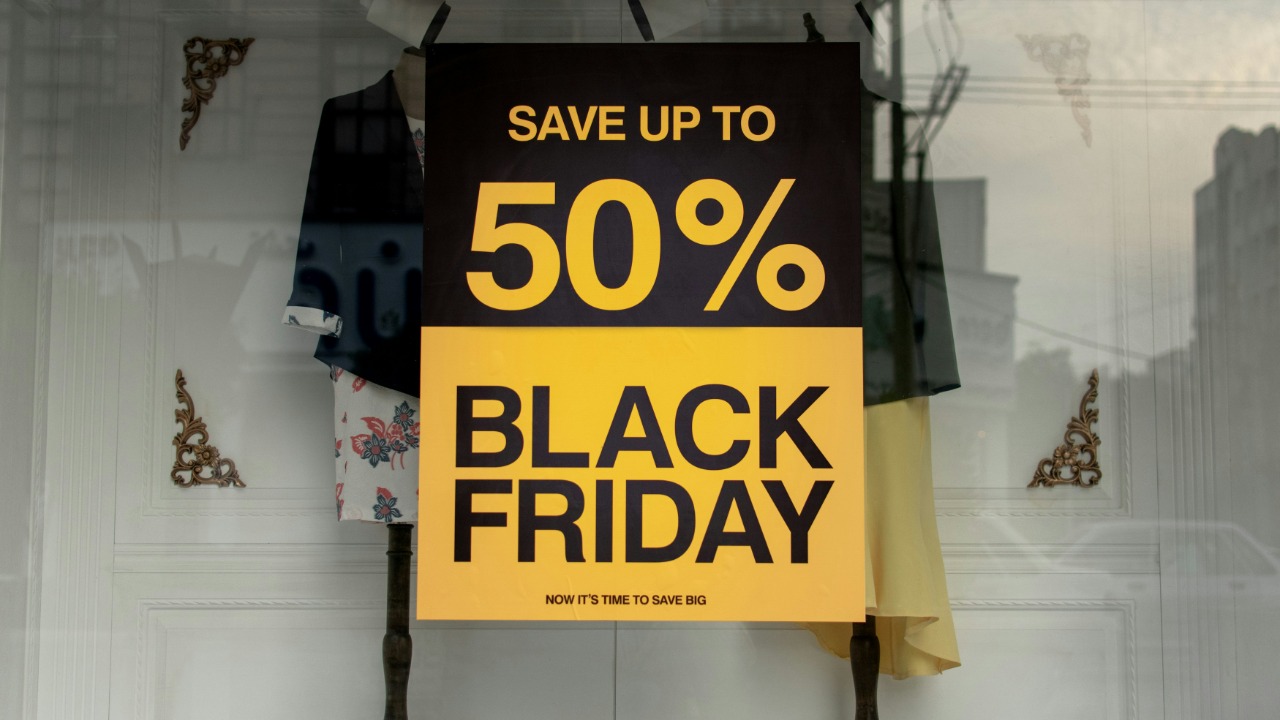
Black Friday shoppers opened their wallets even as the broader economy sent mixed signals, delivering a solid boost to retailers that have spent the year bracing for a slowdown. The surge in spending highlights how resilient consumer demand remains, but it also exposes the trade-offs households are making as they juggle higher prices, rising debt and uncertainty about what comes next.
Instead of a simple story of bargain hunters flooding stores, the latest data points to a more complicated picture: strong headline sales driven by online deals, aggressive discounting and buy now, pay later plans, all layered on top of an economy that is still growing but feels fragile to many families.
Black Friday spending defies gloomy expectations
Retailers entered the holiday season preparing for a cautious consumer, yet early Black Friday figures show shoppers still turned out in force. I see that strength most clearly in online receipts, where spending climbed as people chased promotions from their couches rather than camping outside big-box stores. That pattern fits with a year in which consumers have been selective but not absent, trimming some discretionary purchases while still showing up for marquee sales events when the price is right.
Behind the scenes, retailers leaned on deep markdowns and extended sales windows to coax those dollars, stretching Black Friday into a multi-day event that started well before the traditional kickoff. The strategy helped smooth out traffic spikes and kept digital carts full, even as some chains reported softer in-store visits compared with earlier years. That mix of robust online growth and more modest physical turnout is consistent with broader retail trends that show e-commerce steadily gaining share within overall holiday spending, according to recent Black Friday tallies and retail sales trackers.
Consumers are spending, but they are stretched thinner
The apparent contradiction between strong Black Friday sales and a shaky economic mood comes down to how households are managing their budgets. I see consumers prioritizing deals on essentials and big-ticket items they have delayed, while cutting back on everyday extras. Many families are still contending with prices that remain elevated compared with a few years ago, even as inflation has cooled from its peak, and that pressure is showing up in rising credit card balances and heavier use of installment plans.
Data from card issuers and payment platforms points to more shoppers relying on revolving credit and buy now, pay later services to finance their holiday hauls, a sign that the headline sales growth is being underwritten by greater financial strain. Reports on record credit card debt and increased use of buy now, pay later during Black Friday underscore how shoppers are stretching to maintain their usual gifting habits. That willingness to borrow for bargains keeps cash registers ringing in the short term, but it also raises questions about how sustainable this pace of spending will be once the holiday glow fades.
Discounts, digital tools and timing shape how people shop
What stands out in this year’s Black Friday performance is not just how much people spent, but how they navigated the hunt for value. I see shoppers using price-comparison apps, browser extensions and retailer loyalty programs to stack discounts, turning what used to be a one-day doorbuster scramble into a more strategic, weeks-long search. Retailers responded by rolling out early “Black Friday” pricing, targeted app-only offers and personalized email promotions, effectively training customers to wait for the right deal rather than paying full price.
That shift has practical consequences for the sales data. When promotions start earlier in November and spill into Cyber Monday and beyond, the traditional Black Friday snapshot captures only part of the story. Analysts tracking online holiday spending and card-based retail trends note that the line between Black Friday and the rest of the season has blurred, with consumers pacing their purchases to match the cadence of discounts. The result is a holiday calendar where the headline day still matters symbolically, but the real action is spread across a longer, more digitally driven campaign.
A resilient labor market keeps wallets open
Strong Black Friday receipts also reflect an economy that, while unsettled, is still anchored by a relatively healthy job market. I see that resilience in low unemployment and steady wage gains, which have given many workers enough confidence to keep spending even as they worry about inflation and interest rates. When people feel secure in their paychecks, they are more willing to splurge on a discounted television or a new smartphone, especially if they believe they are getting a rare break on price.
At the same time, the labor backdrop is not uniformly rosy. Some sectors have seen layoffs and hiring freezes, and surveys of consumer sentiment show a gap between the solid macro data and how people feel about their own finances. Economic reports on employment and wages and consumer confidence indexes tracked by private researchers capture that tension: households are still spending, but they are doing so with one eye on the headlines and another on their savings accounts. That cautious optimism helps explain why Black Friday can deliver a sales bump even as many shoppers say they are worried about the year ahead.
What Black Friday reveals about the year ahead
Black Friday’s outperformance is not a guarantee that the broader economy is out of the woods, but it does offer a window into how consumers may behave in the coming months. I read the strong turnout as a sign that people are willing to spend when they see clear value, yet are quick to pull back when prices feel out of line or when promotions disappear. That pattern suggests retailers will need to keep leaning on targeted discounts and flexible payment options to sustain momentum into the new year.
For policymakers and investors, the message is similarly nuanced. Robust holiday sales complicate the narrative of an imminent consumer-led downturn, but the reliance on credit and the uneven distribution of financial stress point to vulnerabilities that could surface if the job market weakens or borrowing costs stay high. Analysts tracking consumer credit trends and retail sales data will be watching closely to see whether the Black Friday bump is a one-off burst of pent-up demand or part of a more durable pattern. For now, the takeaway is clear: shoppers are still showing up for big sales, even as the ground beneath them feels less stable than it did a few holiday seasons ago.
More From TheDailyOverview
- Tennessee loses $2.6B megafactory and faces major layoffs
- Retired But Want To Work? Try These 18 Jobs for Seniors That Pay Weekly
- What to do with your pennies after the U.S. stops minting them
- Home Depot CEO warns of a troubling customer trend in stores

Grant Mercer covers market dynamics, business trends, and the economic forces driving growth across industries. His analysis connects macro movements with real-world implications for investors, entrepreneurs, and professionals. Through his work at The Daily Overview, Grant helps readers understand how markets function and where opportunities may emerge.

