In recent years, Buy Now, Pay Later (BNPL) programs have emerged as a popular alternative to traditional credit cards, offering consumers more flexible payment options. While both BNPL and credit cards provide individuals with ways to manage their purchases, their impact on credit building is a key distinction. This examination explores the differences between BNPL and credit cards, focusing on how each affects a consumer’s credit profile.
Understanding BNPL and Credit Cards

What is BNPL?
Buy Now, Pay Later (BNPL) services are financing options that allow consumers to split their purchases into several installments, often interest-free, over a set period. This approach provides an attractive alternative to traditional credit, especially for younger consumers looking to avoid credit card debt. Popular BNPL providers such as Afterpay, Klarna, and Affirm have gained significant market presence by partnering with retailers to offer seamless checkout experiences.
The convenience and simplicity of BNPL services have contributed to their rapid rise in popularity. These platforms typically require minimal approval processes, often based on a soft credit check, making them accessible to a wider audience. However, this ease of access raises questions about the impact of BNPL on long-term financial health and credit building.
Credit Cards Explained
Credit cards function as a revolving line of credit, allowing consumers to borrow funds up to a predetermined limit, which they must repay with interest if not paid in full each billing cycle. These cards come in various forms, including rewards cards, balance transfer cards, and secured cards, each catering to different consumer needs. Credit cards are valued for their ability to build a credit history, earn rewards, and provide consumer protections.
While credit cards offer numerous benefits, they also carry risks associated with high-interest rates and the potential for accumulating debt. Responsible credit card usage involves timely payments and maintaining a low credit utilization ratio, which can positively affect one’s credit score.
Credit Building Potential
Credit Reporting Differences
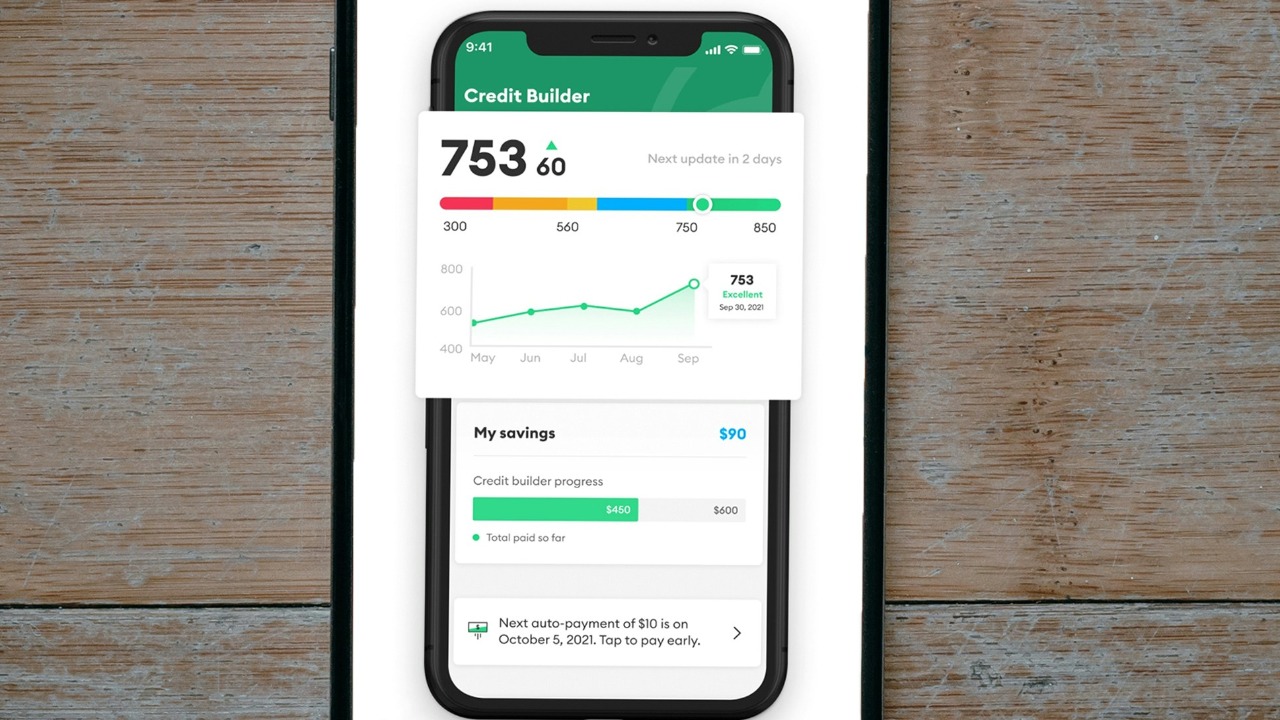
One of the primary differences between BNPL and credit cards lies in how they report to credit bureaus. Most BNPL services do not report payment activity to credit bureaus, meaning they typically do not contribute to building a credit history. However, missed BNPL payments may be reported and negatively impact credit scores. In contrast, credit card issuers regularly report payment history and credit utilization to credit bureaus, playing a crucial role in calculating credit scores and building a credit profile.
The lack of comprehensive credit reporting by BNPL services could be a disadvantage for consumers seeking to establish or improve their credit scores. More information on credit reporting differences can be found at TransUnion.
Impact on Credit Scores
BNPL can have varying effects on credit scores depending on the provider and the consumer’s payment behavior. While timely payments may not always be reported, missed payments can result in negative marks on a credit report. Consumers should be mindful of their BNPL commitments to avoid such pitfalls. On the other hand, responsible credit card usage, including paying bills on time and maintaining a low balance, can significantly enhance one’s credit profile over time.
Credit cards provide a more straightforward path to building credit, as they contribute directly to credit history and score calculations. This makes them a valuable tool for individuals aiming to establish a solid credit foundation.
Advantages and Disadvantages

Pros and Cons of BNPL
BNPL services offer flexibility and ease of use, allowing consumers to make purchases without upfront payments. This can be particularly beneficial for managing cash flow and budgeting for larger expenses. However, the absence of credit reporting and the potential for overspending pose significant downsides. Consumers may find themselves overextended, leading to financial strain without the benefits of credit building.
For those who value convenience and interest-free financing, BNPL is an attractive option, but it’s essential to weigh these benefits against the potential pitfalls.
Credit Card Benefits and Drawbacks
Credit cards offer opportunities to earn rewards, such as cashback, travel points, and discounts, making them appealing to consumers looking to maximize their spending power. Additionally, credit cards provide a reliable means of building a credit history, which is crucial for securing favorable loan terms and interest rates in the future.
Despite these advantages, credit cards come with risks, including high-interest rates and the potential for accumulating debt if not managed properly. Consumers must maintain financial discipline to avoid these pitfalls and leverage credit cards effectively for their credit-building potential.
Consumer Behavior and Financial Management

Spending Habits with BNPL vs. Credit Cards
BNPL and credit cards can influence consumer spending behaviors differently. BNPL’s deferred payment structure may encourage impulse buying, as the immediate financial impact is less apparent. This can lead to a lack of financial discipline and increased debt if not monitored carefully. Conversely, credit cards offer immediate credit, which can also tempt consumers to overspend, but they provide a structured framework for building credit through responsible use.
The psychological effects of using BNPL versus credit cards are significant. Deferred payments can create a sense of financial relief, but they may contribute to a cycle of overconsumption. Understanding these dynamics is essential for consumers aiming to achieve long-term financial stability.
Financial Responsibility and Long-term Planning
Effective financial planning involves integrating BNPL and credit cards into a broader strategy that aligns with individual goals and circumstances. Consumers should prioritize understanding the terms and conditions of each payment option to make informed decisions that support their financial health.
Long-term planning requires a clear understanding of how each payment method fits into one’s overall financial picture. By considering the impact on credit building and financial well-being, consumers can make choices that enhance their credit profile and support sustainable financial growth.
Future Trends and Considerations
The Evolving Landscape of Consumer Credit
As the consumer credit landscape continues to evolve, both BNPL and credit card offerings are expected to adapt. Emerging trends, such as increased regulatory scrutiny and technological advancements, will shape the future of these payment options. Consumers should stay informed about potential changes that may affect their choices.
Understanding the dynamics of the evolving credit market is crucial for navigating the complexities of consumer finance. Resources such as ScienceDirect provide insights into these developments and their implications for consumers.
Making Informed Choices
Choosing between BNPL and credit cards requires careful consideration of various factors, including financial goals, spending habits, and credit-building objectives. Financial literacy plays a vital role in making informed decisions, helping consumers navigate the complexities of credit and payment options effectively.
Consumers who prioritize understanding the intricacies of each payment method are better equipped to make choices that align with their financial aspirations. As the landscape continues to change, staying informed and adaptable will be key to achieving financial success.

Cole Whitaker focuses on the fundamentals of money management, helping readers make smarter decisions around income, spending, saving, and long-term financial stability. His writing emphasizes clarity, discipline, and practical systems that work in real life. At The Daily Overview, Cole breaks down personal finance topics into straightforward guidance readers can apply immediately.