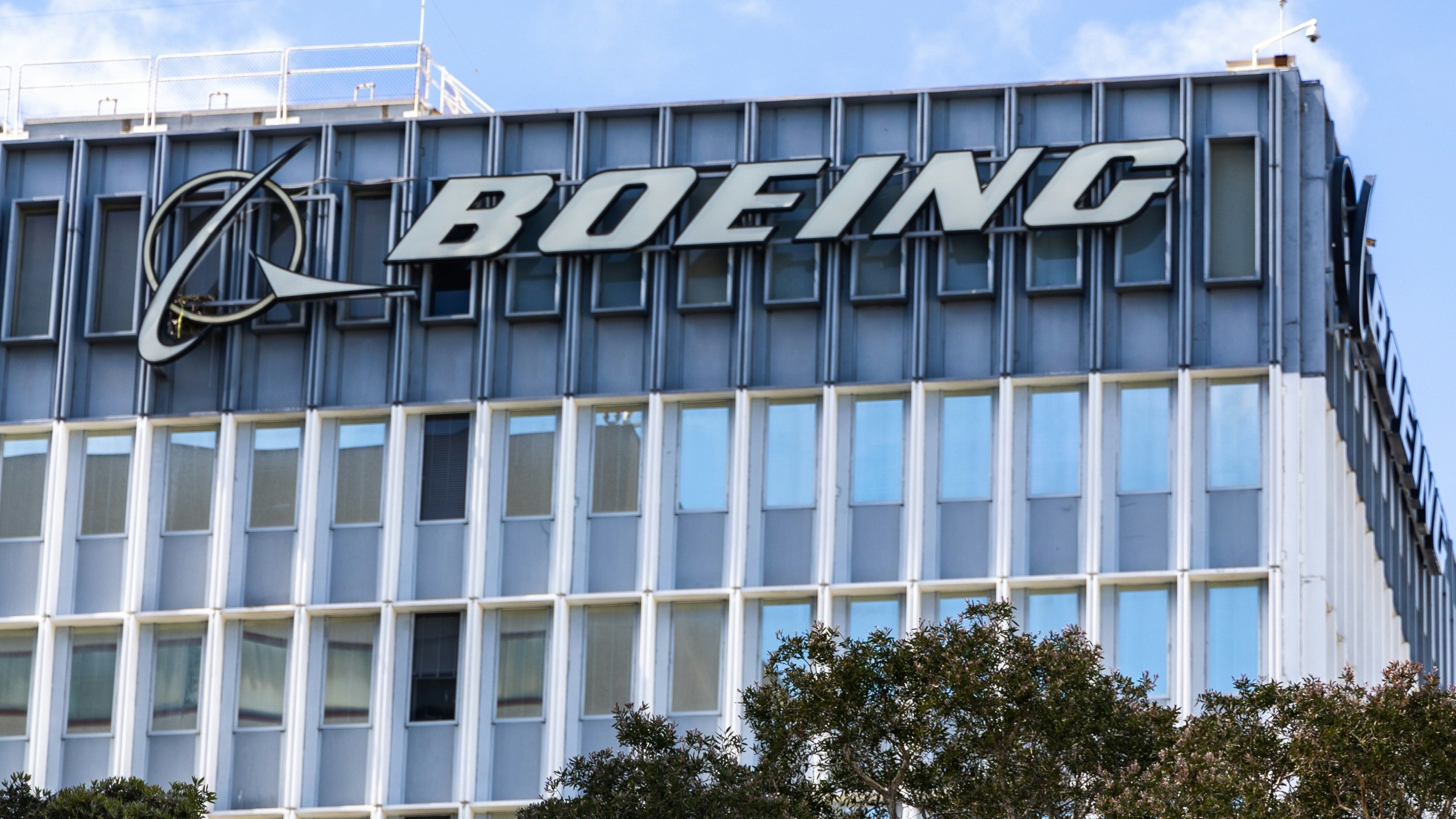
Boeing has finally put hard numbers behind its long-promised turnaround, logging its strongest year of jet deliveries since 2018 and signaling that its industrial recovery is gaining real traction. After years of crisis and production setbacks, the company has pushed output back to levels that matter for airlines, investors, and rivals alike. The comeback is not complete, but the latest delivery and order figures show a manufacturer that is once again shaping the global market rather than just reacting to it.
Deliveries climb back to pre-crisis territory
The clearest sign that Boeing’s comeback is gaining momentum is the scale of its recent deliveries. The company’s own figures show that it delivered 600 aircraft in 2025, the highest level since it handed over 806 jets in 2018, a shift that marks a decisive break from the deep slump that followed the 737 Max grounding and the Covid‑19 collapse in air travel. Analysts tracking Boeing’s Recovery and Market Position have highlighted this Significant Increase in Deliveries as the backbone of a broader financial reset, with management expecting positive cash flow in 2026 as higher output feeds through to the bottom line, according to Jan.
The path to that 600 figure was not a late‑year scramble but the culmination of a steady production ramp. Earlier in the recovery, Boeing reported that it delivered 53 aircraft in October, a pace that put it on track for its strongest year since 2018 and underlined how far the factories had come since the Covid‑19 pandemic severely disrupted production, as detailed in Nov. That monthly cadence, combined with the full‑year total, suggests that the company is no longer just clearing old inventory but has rebuilt a more reliable production system that airlines can plan around.
Q4 surge and a 72% jump cap a “recovery year”
The final quarter of 2025 was where the turnaround crystallized. Boeing reported 160 aircraft delivered in the last three months of the year, a surge that helped drive the full‑year total to 600 commercial airplanes and confirmed that the company had moved beyond sporadic bursts of activity into a more sustained rhythm, according to Global. That kind of quarter is critical in aerospace, where fixed costs are high and profitability depends on keeping assembly lines humming at predictable rates.
Across the full year, the company’s commercial jet deliveries jumped 72%, a performance that investors rewarded as BoeingBA shares climbed to $234.36, up 3.11% on a Tuesday trading session after the figures were released, reflecting renewed confidence in the manufacturer’s trajectory, as highlighted in Jan. Within that surge, the company disclosed that it delivered 160 commercial jets in the period that capped the year, underscoring how much of the recovery was concentrated in the final stretch as supply chains eased and factory rework on earlier aircraft tapered off.
Seven-year high underscores industrial reset
Looking at the longer arc, the 2025 performance represents a seven‑year high that effectively resets Boeing’s industrial baseline. Company data show that Boeing delivered 600 aircraft in 2025, the largest number since 2018 when 806 were delivered, a comparison that underscores how far output had fallen and how much ground has now been regained, according to Key. For airlines that rely on predictable delivery slots to plan route growth and fleet renewal, the return to a multi‑hundred‑jet annual cadence is as important as any headline order announcement.
The scale of the rebound becomes even clearer when set against the company’s own history. Internal tallies chart a path from 806 jets in 2018 to 380, 157, 340 and 480 in subsequent years as crises piled up, before climbing back to 348 aircraft in 2024 and then accelerating into the current recovery, according to Note. That sequence, labeled as Data for 2025 through November with Source information tied directly to Boeing, shows a manufacturer that has had to rebuild trust with regulators and customers while simultaneously re‑engineering its production system, a dual challenge that makes the latest delivery totals more than just a statistical milestone.
Orders surge as Boeing narrows the Airbus gap
Behind the delivery numbers sits an order book that has swung decisively back in Boeing’s favor. The company reported 1,173 net orders and 600 deliveries for full‑year 2025, a combination that signals both strong demand and the capacity to convert contracts into aircraft leaving the factory, according to Aviacionline. That order tally reflects Boeing’s industrial recovery taking shape, with airlines and lessors willing to commit to long‑term fleet plans that depend on the manufacturer’s ability to sustain its current pace.
The shift is particularly striking when viewed against Airbus, which had dominated the order race in recent years. Reporting from the sector shows that Boeing Leads Airbus in 2025 Sales Despite Lower Deliveries, a Resurgence in Boeing’s Order Book that marks a notable change in competitive dynamics even as Airbus Maintain a strong delivery lead, according to Boeing Leads Airbus. In parallel, separate data indicate that Boeing Surpasses Airbus in 2025 Aircraft Orders, although analysts caution that However, it is important to note that orders only translate into revenue once aircraft are delivered to customers, a reminder that Boeing must maintain its upward trajectory in output to fully capitalize on its commercial momentum, as outlined in However.
Market reaction, model mix, and what comes next
The market response to Boeing’s improved performance reflects both relief and renewed scrutiny. Investors have pushed the stock higher on the back of the 72% delivery jump and the 600‑jet total, betting that the company’s Recovery and Market Position will translate into sustained cash generation and, eventually, shareholder returns. At the same time, analysts stress that the company’s ability to keep raising output without compromising quality will determine whether the current Significant Increase in Deliveries is a one‑off rebound or the start of a new, more disciplined era, a tension that underpins the cautious optimism in Boeing.
On the product side, the mix of aircraft leaving Boeing’s factories underscores how central the 737 Max family remains to the recovery. Industry reporting notes that a Boeing Co 737 Max airplane at the company’s manufacturing facility in Renton has become the visual shorthand for the company’s comeback, as the narrow‑body workhorse returns to airlines’ growth plans and helps Boeing outsell its European rival in new business, according to Boeing Co. For now, the company can point to 600 deliveries in 2025, a seven‑year high that has already been framed as Boeing Achieves Highest Jet Deliveries Since 2018 and Outsells Airbus in 2025, a pairing of industrial and commercial milestones that, if sustained, would confirm that the worst of its crisis period is firmly in the past, as summarized in Boeing Achieves Highest.
More From TheDailyOverview

Grant Mercer covers market dynamics, business trends, and the economic forces driving growth across industries. His analysis connects macro movements with real-world implications for investors, entrepreneurs, and professionals. Through his work at The Daily Overview, Grant helps readers understand how markets function and where opportunities may emerge.

