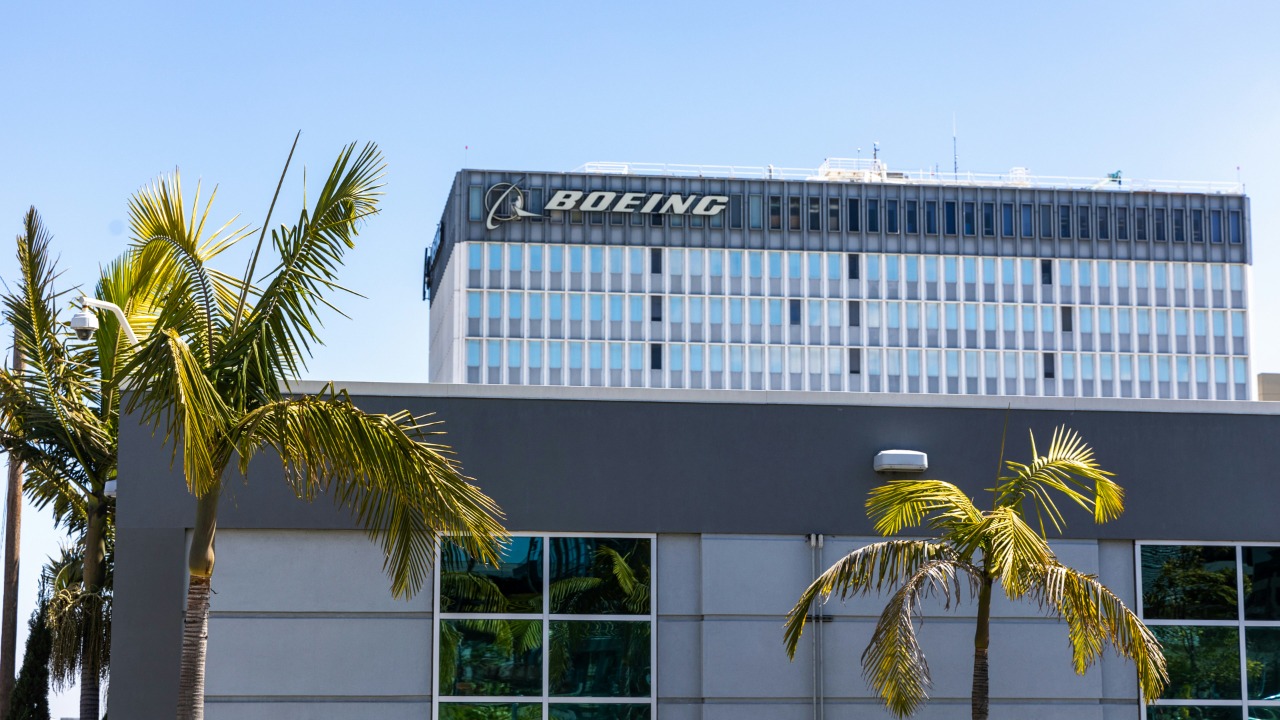
Boeing locked in orders for almost 100 jets from two Vietnamese carriers on February 19, 2026, in a combined package valued at more than $30 billion, according to The Wall Street Journal. Sun PhuQuoc Airways and Vietnam Airlines both signed agreements with the American planemaker, giving Boeing a sizable single-country order announcement. The deals arrive at a moment when Southeast Asian air travel demand is expanding and Boeing continues to face scrutiny following production setbacks and safety reviews.
Two Airlines, One Massive Order Book
The twin agreements represent a significant commitment from Vietnam’s aviation sector to Boeing’s product line. Sun PhuQuoc Airways and Vietnam Airlines each entered into separate deals that, taken together, account for almost 100 aircraft valued at more than $30 billion. For Boeing, the sheer scale of the package is hard to overstate. A near-triple-digit jet order from a single country in a single day gives the manufacturer a tangible boost to its backlog at a time when Wall Street has been closely monitoring order flow for signs of recovery.
Vietnam Airlines, the country’s flag carrier, has long operated a mixed fleet of Boeing and Airbus widebodies. A fresh Boeing commitment of this size suggests the airline sees enough growth ahead to justify a major fleet expansion rather than simply replacing aging planes. Sun PhuQuoc Airways, a newer entrant tied to Vietnam’s resort and tourism economy, is betting that leisure travel volumes will keep climbing. Together, the two carriers signal that Vietnamese aviation is entering a phase where fleet size needs to catch up with passenger demand, and Boeing is positioned to fill that gap.
What the Deals Mean for Boeing’s Recovery
Boeing has spent the past several years managing fallout from the 737 MAX groundings, quality-control problems on the 787 Dreamliner line, and a broader production slowdown that constrained deliveries. Orders of this magnitude do not erase those challenges, but they do change the financial math. A backlog north of $30 billion from Vietnam alone strengthens Boeing’s negotiating position with suppliers, supports production rate increases, and reassures investors that airlines still trust the company to deliver modern, fuel-efficient aircraft on schedule.
The timing also matters for Boeing’s competitive standing against Airbus. The European manufacturer has dominated order headlines in Asia for much of the past half-decade, winning large commitments from carriers in India, China, and across Southeast Asia. Boeing’s ability to secure nearly 100 jets from Vietnamese carriers in a single announcement highlights that it can still win major campaigns in the region. It does not reverse the overall trend, but it demonstrates that Boeing can still compete aggressively when it brings the right pricing, delivery slots, and financing packages to the table.
Vietnam’s Aviation Ambitions Drive Demand
Vietnam’s rapid economic growth over the past decade has created a domestic middle class that flies more frequently, both within the country and to regional destinations across Asia. The government has invested heavily in airport infrastructure, including expansions at Ho Chi Minh City’s Tan Son Nhat and the long-planned Long Thanh International Airport project. These infrastructure bets only pay off if airlines have the aircraft to fill newly built terminals and runways, which helps explain why Vietnamese carriers are placing large orders now rather than waiting.
Tourism is a central driver. Vietnam attracted tens of millions of international visitors before the pandemic, and the post-pandemic rebound has been strong. Sun PhuQuoc Airways, named after the popular island destination, is a direct product of that tourism economy. Its decision to order Boeing jets reflects a calculation that leisure routes, particularly from China, South Korea, Japan, and other high-volume source markets, will sustain growth for years. Vietnam Airlines, meanwhile, needs widebody capacity for long-haul routes to Europe and North America, where demand from the Vietnamese diaspora and business travelers continues to rise.
Broader Implications for U.S. Exports
Commercial aircraft are consistently among the largest single categories of U.S. exports, and a deal of this size has ripple effects well beyond Boeing’s headquarters in Arlington, Virginia. The company’s supply chain stretches across dozens of states, employing hundreds of thousands of workers at companies that manufacture engines, avionics, fuselage panels, landing gear, and interior components. When Boeing books a $30 billion-plus order, the economic benefit flows to engine makers, to seat manufacturers, to titanium suppliers, and to thousands of smaller firms that depend on production volume to stay profitable.
From a trade policy perspective, the Vietnam deals also carry weight. The U.S. and Vietnam have deepened economic ties in recent years, and large commercial purchases help balance a trade relationship that has sometimes drawn scrutiny over the bilateral trade deficit. Aircraft orders are among the most visible and politically useful forms of trade engagement because they are large, trackable, and tied directly to American manufacturing jobs. For Boeing, winning business in Vietnam also broadens its customer base in Asia.
Challenges That Could Complicate Delivery
Signing an order and delivering an aircraft are two very different things, and Boeing’s track record on the delivery side has been uneven. Production rates for both the 737 MAX and the 787 remain below pre-crisis targets, and supply chain bottlenecks, particularly for engines and specialized components, have slowed output across the industry. Vietnamese carriers placing orders today may face multi-year waits before the first jets arrive, and any further production disruptions at Boeing’s factories in Renton, Washington, or North Charleston, South Carolina, would push timelines further out.
There is also the question of financing. Aircraft deals of this scale typically involve a mix of direct purchases, operating leases, and export credit guarantees. The exact financial structure of the Vietnam agreements has not been disclosed in detail. How these deals are financed will determine how quickly the aircraft actually enter service and how much risk Boeing retains on its balance sheet. For now, the orders signal confidence from lenders and lessors that Vietnamese aviation will keep expanding, but tighter global credit conditions or currency volatility could still complicate the path from contract signing to first commercial flight.
More From The Daily Overview
*This article was researched with the help of AI, with human editors creating the final content.

Grant Mercer covers market dynamics, business trends, and the economic forces driving growth across industries. His analysis connects macro movements with real-world implications for investors, entrepreneurs, and professionals. Through his work at The Daily Overview, Grant helps readers understand how markets function and where opportunities may emerge.