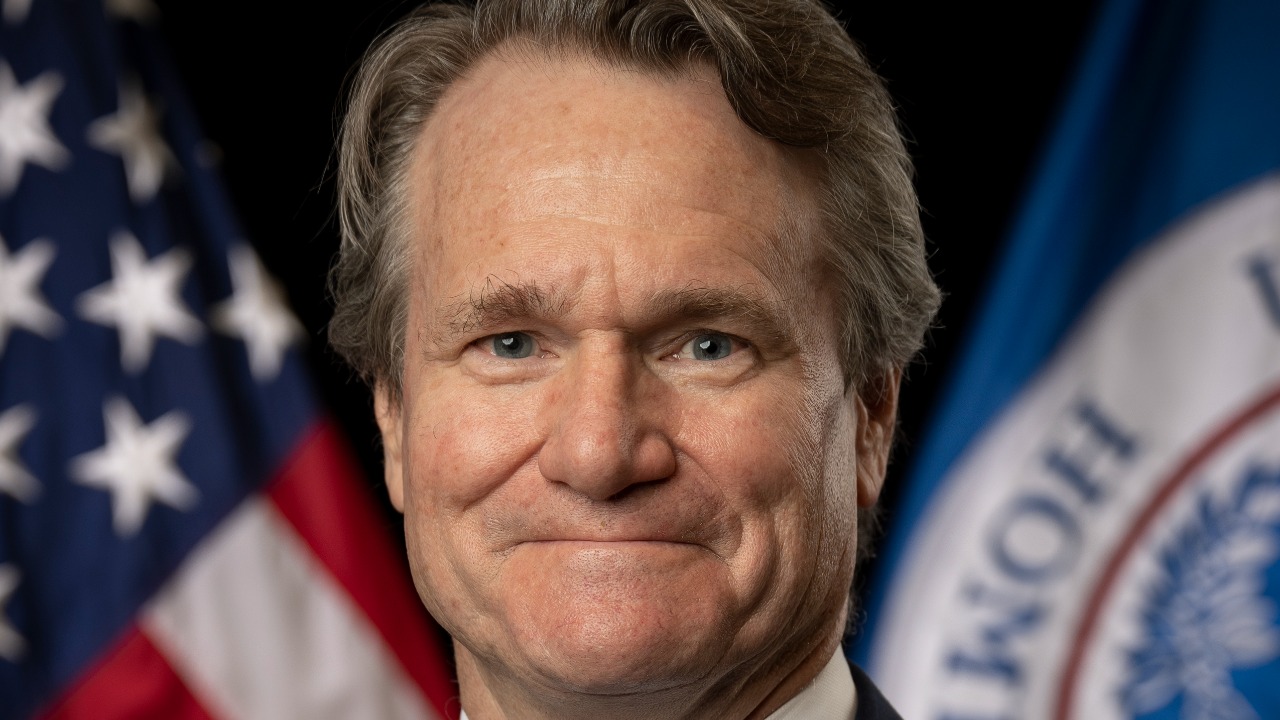
Bank of America CEO Brian Moynihan recently issued a stark warning about the potential economic consequences of a prolonged government shutdown. His concerns echo those of a leading economist who sees an increasing risk of recession as the shutdown continues, despite the stock market’s apparent resilience. These assessments highlight the growing vulnerabilities in the economy, particularly as federal funding uncertainties exacerbate the challenges that have emerged since the shutdown began earlier this month.
BofA CEO’s Shutdown Warning
Brian Moynihan, CEO of Bank of America, cautioned that the ongoing government shutdown could significantly slow economic growth. In his remarks, Moynihan emphasized the broader economic malaise that could result from prolonged federal disruptions, which have already begun to affect businesses and consumers. The shutdown has led to delayed payments and halted services, intensifying the economic strain compared to the more optimistic forecasts made in mid-October. This situation is particularly concerning for financial sectors, where potential credit tightening at major banks like BofA could occur as federal operations remain stalled and economic confidence diminishes.
The impact of the shutdown is not limited to financial institutions. Businesses across various sectors are experiencing disruptions, with delayed government contracts and payments affecting cash flow and operations. Consumers, too, are feeling the pinch, as essential services are halted, leading to increased uncertainty and reduced spending. These developments underscore the critical need for a resolution to the shutdown to restore stability and confidence in the economy.
Economist’s View on Rising Recession Risks
A top economist has highlighted the increasing probability of a recession directly linked to the ongoing government shutdown. This assessment marks a shift from previous evaluations that considered the risk to be low. Despite these warnings, the stock market has remained largely unfazed, reflecting a degree of investor resilience. However, this apparent calm raises questions about potential complacency among investors, given the significant fiscal uncertainties that the prolonged shutdown presents.
The implications of the shutdown extend beyond immediate market reactions. Prolonged federal disruptions could lead to long-term economic challenges, affecting policy and recovery efforts. As the shutdown continues beyond initial deadlines, fiscal uncertainties for households and industries are heightened, potentially leading to more severe economic consequences if a resolution is not reached soon.
Key States Shaping Recession Outcomes
According to an economist, two key states could play a pivotal role in determining the fate of a potential U.S. recession. These states, identified for their significant contributions to national economic indicators, have experienced faster deterioration in employment and manufacturing trends since the shutdown began. This regional vulnerability could have national ripple effects, potentially tipping the balance toward a recession if federal resolution delays persist.
The economic conditions in these states are critical, as they serve as bellwethers for broader national trends. The localized slowdowns in these areas could exacerbate the economic challenges already facing the country, emphasizing the urgent need for a resolution to the shutdown. As the situation unfolds, the focus will remain on how these states navigate the economic uncertainties and their impact on the national economy.
For more detailed insights, you can read the full analysis on how these two states could decide America’s recession fate and the BofA CEO’s warning about the economic slowdown.
More From TheDailyOverview
- Dave Ramsey warns to stop 401(k) contributions
- 11 night jobs you can do from home (not exciting but steady)
- Small U.S. cities ready to boom next
- 19 things boomers should never sell no matter what

Grant Mercer covers market dynamics, business trends, and the economic forces driving growth across industries. His analysis connects macro movements with real-world implications for investors, entrepreneurs, and professionals. Through his work at The Daily Overview, Grant helps readers understand how markets function and where opportunities may emerge.

