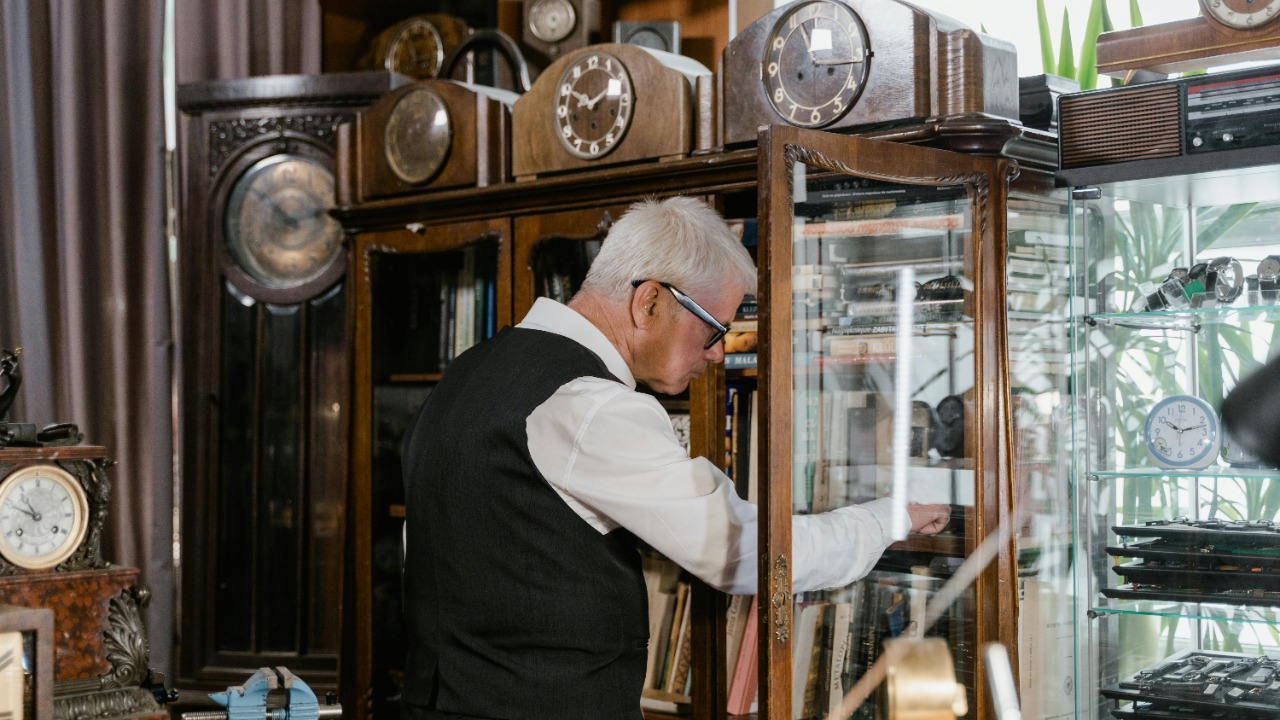
Across the country, baby boomers are discovering that the china cabinets, figurines and formal dining sets they spent decades collecting now leave their millennial and Gen Z children politely horrified rather than grateful. The emotional value of these objects is colliding with a market that increasingly treats them as clutter, not capital. As the great wealth transfer accelerates, the gap between what parents consider “treasures” and what their kids see as “junk” is becoming one of the most fraught intergenerational flashpoints inside the modern family home.
I see that tension most clearly in the stories boomers tell about trying to hand down heirlooms that once symbolized success. Instead of fighting over who gets Grandma’s hutch, adult children are quietly Googling estate sale companies and storage units, trying to honor their parents’ memories without inheriting their basements.
‘What do we do with all this stuff?’ meets ‘We don’t want it’
For many boomers, the shock is not just that their kids do not want the family china, but that they seem almost allergic to it. One longtime observer described how parents, after a lifetime of accumulating furniture, crystal and framed portraits, now look around and ask what happens when their children refuse to take any of it, even items tied to relatives their kids never met. The emotional script boomers expected, in which grown children gratefully adopt these objects as symbols of continuity, is being rewritten in real time. Instead of heirlooms, many millennials see maintenance projects, moving costs and a design headache.
At the same time, younger adults are not exactly living empty, minimalist lives. A detailed look at household habits found that Millennials and Gen are already stashing their own belongings at their baby boomer parents’ homes because their apartments cannot hold everything. When your childhood bedroom is functioning as a satellite storage unit for your own life, the prospect of inheriting a second household’s worth of furniture and collectibles feels less like a blessing and more like a logistical crisis.
Design trends have moved on from ‘boomer formal’
The market is not just rejecting specific objects, it is rejecting an entire aesthetic. Interior designers tracking what clients want in 2026 describe bedrooms turning into soft, enveloping retreats, with a Cocoon style that prizes intimacy and calm over display. That shift favors low, upholstered pieces, layered textiles and warm, quiet color palettes, not towering china cabinets or glossy dark-wood dining sets. In living spaces, the emphasis is on rooms that feel lived in rather than staged, which makes ornate “do not touch” furniture a tough sell.
Broader home trends reinforce the same story. One influential forecast notes that Interior designers are steering clients away from the cool “millennial gray” that dominated the last decade and toward natural hues, warm whites and earth tones. Another analysis of upcoming looks highlights how professionals like Sophie Salata, head of brand at Vinterior, expect 2026 homes to celebrate wood, patina and pieces that feel personal and well loved, not necessarily expensive. That nuance matters: younger buyers are not rejecting history, they are rejecting rooms that feel like showrooms, which is exactly how many boomer-era formal spaces were designed.
From ‘boomer junk’ to selective vintage
As boomers confront garages and attics full of objects, some commentators have started using the phrase “boomer junk” to describe the sheer volume. One widely shared account noted that, In the US, that label has become shorthand for decades of impulse buys, souvenir trinkets and decorative clutter that now block access to entire rooms. The sting for boomers is that mixed in with the truly disposable items are pieces they still see as markers of hard-won prosperity, from matching bedroom suites to full sets of formal dishware.
The resale market is drawing an even sharper line between what is cherished and what is actually valuable. Estate sale specialists warn that Mass-produced collectibles that flooded the market in recent decades now have minimal resale value, despite being marketed as investments. At the same time, a separate review of the 2026 antique landscape identifies an “Antique Market Watch” split between Smart Keeps And Declining Investments, with only a handful of categories expected to hold or gain value. The message to families is blunt: most of what fills those garages is sentiment, not savings.
What younger buyers actually want from the past
None of this means millennials and Gen Z have abandoned older objects altogether. In fact, thrift and vintage are thriving, but on very different terms from their parents’ generation. A detailed guide to secondhand shopping notes that Key Points for 2026 include strong demand for Vintage art and serveware, along with Natural materials like wood, cotton and stone. Another forecast of what to keep and what to let go highlights how an “Antiques” list can still include specific pottery names such as RedWing or Roseville, but only when the pieces are rare, well preserved and tied to a clear collecting community.
Style cycles are also reshaping what counts as desirable. A recent look at generational taste points out that the tapered legs and clean lines of MCM design remain the gold standard for first apartments, with Mille and her peers embracing midcentury pieces that feel light and adaptable. On the higher end, collectors are gravitating toward Art Nouveau and, where a single work can reach $32408.17 at 1stdibs.com or $4500.00 at 1stdibs.com. The throughline is clear: younger buyers will pay for craftsmanship, scarcity and clean lines, not for entire rooms of matching furniture that lock them into one look.
The great wealth transfer collides with clutter
All of this is unfolding against the backdrop of a historic handover of money and possessions. Analysts tracking the so-called great wealth transfer estimate that Baby boomers are set to pass substantial assets to gen X, millennials and gen Z, with younger heirs poised to inherit significant wealth. A separate breakdown of what is already moving notes that Tim Goodman, CEO of Get, is seeing a massive amount of estate jewelry shifting from boomers to their beneficiaries, even as experts warn that selling such pieces at fair prices can be a challenge. The cash and securities are welcome; the physical goods are another story.
On the ground, that tension looks like adult children inheriting both brokerage accounts and boxes of figurines, coins and model trains. One detailed report on the early stages of this shift notes that Many millennials, Gen Xers and Gen Zers are now wrestling with what to do with their parents’ and grandparents’ possessions as trillions change hands. Professional organizers who work with aging clients describe how Boomers Are Passing And Way, Way Too Much Stuff, from Salt and pepper shakers to entire storage units. The emotional labor of sorting, selling and donating is becoming part of the inheritance itself.
More From The Daily Overview

Cole Whitaker focuses on the fundamentals of money management, helping readers make smarter decisions around income, spending, saving, and long-term financial stability. His writing emphasizes clarity, discipline, and practical systems that work in real life. At The Daily Overview, Cole breaks down personal finance topics into straightforward guidance readers can apply immediately.

