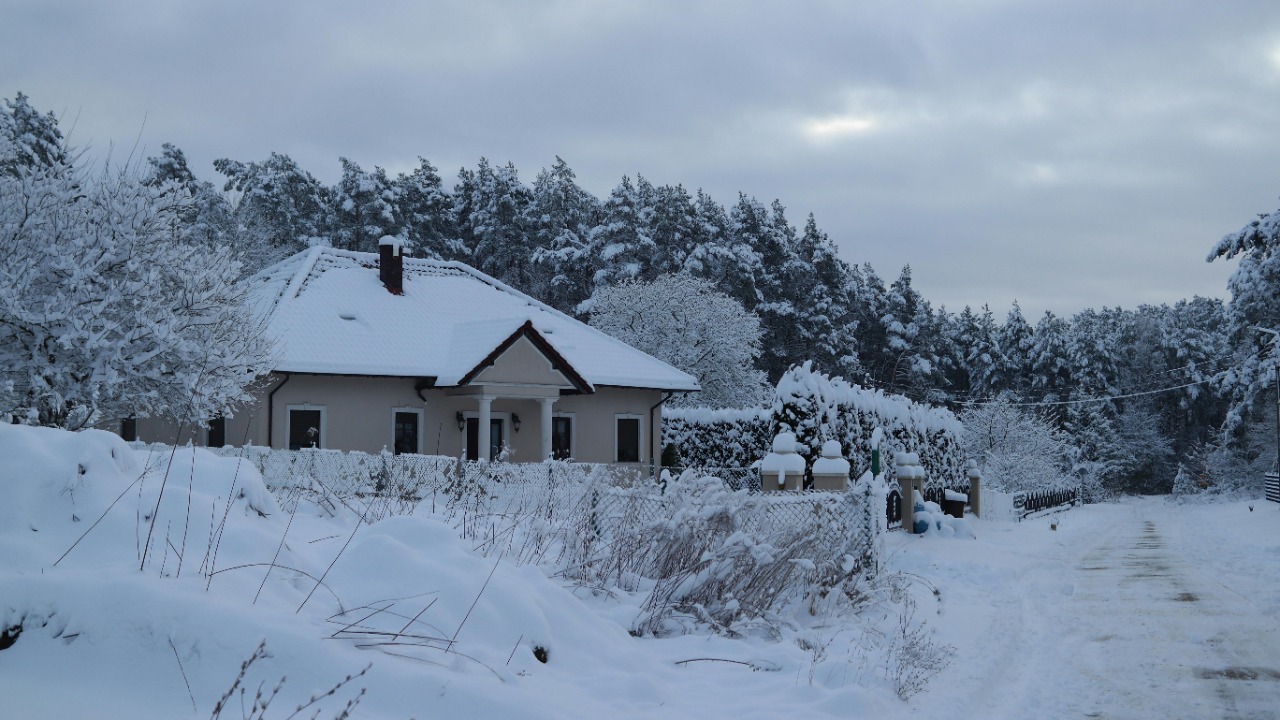
Winter did not just blanket much of the country in snow and ice, it also froze a housing market that had been tentatively healing. As brutal storms swept across key regions, homebuyers stayed put, open houses emptied out and lenders watched a rare pullback in demand even as borrowing costs eased. The result was a sharp, weather driven setback that exposed how fragile the recovery in mortgage activity still is.
Instead of capitalizing on slightly lower rates, many would-be buyers simply could not get to showings or inspections, and some sellers pulled listings rather than risk damage or low traffic. The latest data show a clear, sudden drop in applications and purchase interest, turning what could have been a modestly improving winter into a reminder that housing momentum remains highly sensitive to short term shocks.
Storms kept buyers at home just as conditions were improving
Heading into late January, the housing market had the ingredients for a slow thaw: mortgage rates had edged down from last year’s peaks, inventory was inching higher and some buyers were finally recalibrating to new price levels. Then a series of intense snowstorms hit, and instead of touring properties, many households were digging out driveways or juggling school closures. Reporting on how Snowstorms battered the country describes a clear pattern: physical access to homes and offices simply broke down, and with it the normal rhythm of weekend showings and midweek preapprovals.
That disruption landed at a particularly sensitive moment for lenders and real estate agents who had been counting on a winter bounce to set up the spring selling season. By Liezel Once detailed how Mortgage demand slipped even though borrowing costs were moving lower, a sign that the weather shock overpowered the usual rate sensitivity that drives weekly application numbers. In practical terms, that meant fewer signed contracts, delayed appraisals and a backlog of buyers who may reappear later, but who for now have stepped back from the process.
Mortgage applications show a clear, weather driven drop
The impact of the storms is most visible in the weekly application data, which capture how quickly buyers respond to changing conditions. In the period covering the worst of the disruptions, Mortgage Applications Declined by 8.9% in Week Ending January, a steep one week move that is hard to explain without looking at the weather maps. Home purchase activity, which is more sensitive to day to day logistics than refinancing, bore the brunt of that slide as buyers postponed everything from initial inquiries to final rate locks.
For lenders, an 8.9% weekly decline is not just a statistic, it is a sudden hit to pipelines and revenue forecasts that were already under pressure from last year’s slowdown. Home loan officers who had been hoping to build momentum now face a gap in their calendars, and some are scrambling to keep preapproved clients engaged until conditions normalize. The data from that Week Ending January period underline how quickly a few days of severe storms can ripple through the Home financing ecosystem, from call centers to closing tables.
Rates are easing, but weather and logistics are in the driver’s seat
What makes this pullback especially striking is that it arrived even as borrowing costs were quietly improving. The average contract interest rate for 30 year fixed rate mortgages with conforming loan balances of $832,750 or less moved lower, giving buyers more purchasing power on paper. Yet, as one analysis of $832,750 loan caps makes clear, the usual relationship between slightly cheaper money and stronger demand broke down when buyers could not physically get to properties or complete inspections.
In normal conditions, even a modest drop in the 30 year fixed rate can trigger a noticeable uptick in applications, especially among move up buyers who are finely tuned to monthly payment shifts. Instead, Rough winter weather effectively severed that link, at least temporarily, as households prioritized safety and basic logistics over financial optimization. The fact that this happened in Feb, typically a ramp up period for spring, underscores how much of the current slowdown is about access and timing rather than a renewed loss of confidence in housing itself, as reflected in the Rough conditions described in recent lending data.
Regional hot spots still point to underlying demand
Even as storms temporarily sidelined buyers, the broader map of where people want to live has not changed overnight. The Na has highlighted a set of markets that are expected to outperform in 2026, with NAR projecting existing home sales to jump by 14% and prices to rise by 4% nationally. In its rundown of top destinations, the group emphasized how demographic trends and job growth are steering demand toward specific metros, a pattern that will likely reassert itself once the snow melts and travel becomes easier, according to NAR forecasts.
Those projections, released out of WASHINGTON in Dec, suggest that the current slump in showings and applications is more of a pause than a fundamental reversal. I see the storms as a short term shock layered on top of a market that is still adjusting to higher prices and limited supply, not a sign that buyers have lost interest in those hot spots. Once roads clear and school schedules stabilize, the same forces that put those cities on the list, from new employers to lifestyle amenities, are likely to pull sidelined buyers back into the search.
Home prices are cooling, but not collapsing with demand
While mortgage demand has taken a hit, prices are not falling in lockstep, which complicates the picture for buyers hoping for bargains. Insights from Chief Economist Dr Selma Hepp point to a national housing market where growth is slowing as winter settles in, but where outright declines remain limited in many areas. In her Insights, Chief Economist Dr Selma Hepp notes that the cooling in appreciation is happening alongside the seasonal weather pattern, which makes it harder to disentangle how much of the current softness is cyclical and how much is structural.
From my vantage point, the combination of softer demand and still firm prices means affordability remains stretched, even if bidding wars are less intense than they were at the peak. Buyers who were hoping that a winter slowdown would translate into steep discounts are instead finding that sellers, especially in tight inventory markets, are willing to wait out a few bad weeks of weather. That dynamic reinforces the idea that the storms have delayed transactions rather than fundamentally resetting price expectations, at least so far.
Behind the scenes, policy and capital are nudging rates lower
One reason rates have been able to drift down despite choppy demand is that large institutions are quietly absorbing more mortgage risk. An analysis of recent activity by Fannie Mae and Freddie Mac describes how the two giants have added more than $55 billion in mortgages to their balance sheets since May, pushing total holdings to $234 billion, the highest level in four years. The commentary notes that this buying spree has helped narrow spreads in the mortgage backed securities market, which in turn has allowed lenders to offer slightly better pricing, a trend summarized with the observation that But it does mean the foundation is being set for more stable rates.
In practical terms, that means mortgage rates have dropped about 0.57% since this push began, with roughly half of that move attributed to tighter spreads rather than changes in broader benchmarks. I see this as an important backdrop to the current weather driven slump: even as storms keep buyers indoors, the financial plumbing of the housing market is being adjusted to support more activity once conditions normalize. Whether this ultimately helps buyers by improving affordability or simply props up valuations is an open question, but it underscores how much of today’s mortgage landscape is shaped by policy choices as well as by the elements.
Cross border pressures and the path ahead for demand
The United States is not the only country where housing is being buffeted by forces beyond local weather and wages. In Canada, trade tensions tied to tariffs have weighed on sentiment, with housing officials warning that home prices could slip as the economy adjusts. A recent assessment of those dynamics concluded that As the trade tensions ease, mortgage rates moderate and demand slowly recovers, conditions are expected to stabilize more in 2026 and move onto a more balanced trajectory, according to a report that noted As the broader environment improves.
That cross border perspective is a reminder that the current slump in U.S. mortgage demand is unfolding against a backdrop of global uncertainty, from trade policy under President Donald Trump to shifting central bank strategies. I expect that once the snow clears and travel normalizes, some of the pent up demand will reappear, especially in the NAR identified hot spots and in markets where Chief Economist Dr Selma Hepp sees only modest price cooling. For now, though, the combination of brutal winter weather, still high prices and cautious lenders has delivered a sharp, if likely temporary, blow to homebuyers and the Mortgage market they depend on.
More From The Daily Overview
*This article was researched with the help of AI, with human editors creating the final content.

Elias Broderick specializes in residential and commercial real estate, with a focus on market cycles, property fundamentals, and investment strategy. His writing translates complex housing and development trends into clear insights for both new and experienced investors. At The Daily Overview, Elias explores how real estate fits into long-term wealth planning.

