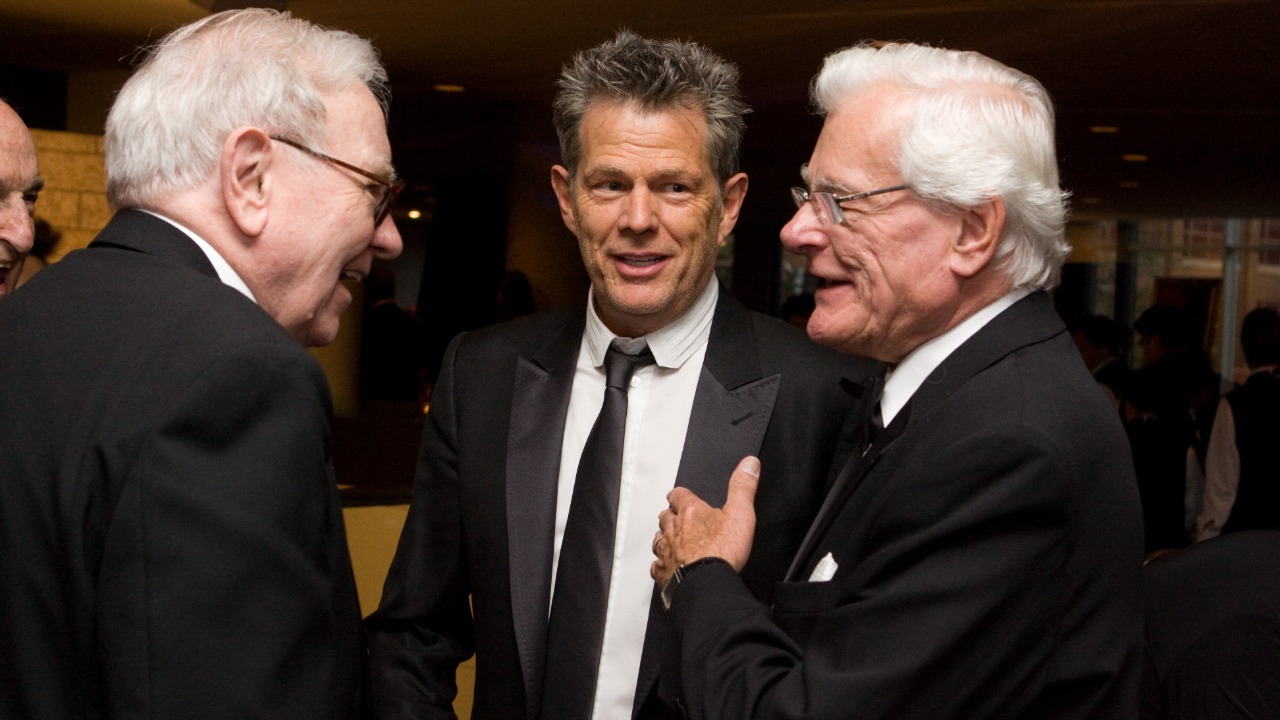
Warren Buffett has acknowledged that his ambitious plan to donate 99% of his wealth during his lifetime, as part of the Giving Pledge, was not feasible. Instead, the 94-year-old billionaire has restructured his philanthropic strategy. He has arranged for his three children—Susie, Howard, and Peter—to receive $500 million annually to distribute to charitable causes after his passing. This shift reflects Buffett’s evolving approach to ensuring his fortune benefits society through family-led giving.
Buffett’s Original Giving Pledge Commitment
Warren Buffett co-founded the Giving Pledge in 2010 alongside Bill Gates and Melinda French Gates. This initiative was designed to encourage billionaires to commit to giving away the majority of their wealth either during their lifetimes or in their wills. Buffett himself pledged to donate 99% of his Berkshire Hathaway fortune, a commitment that has seen him contribute over $50 billion to various foundations, including the Bill & Melinda Gates Foundation.
Despite his substantial contributions, Buffett recently admitted that fulfilling the Giving Pledge’s ambitious goals during his lifetime was not feasible. The complexities of managing such vast distributions, coupled with his advancing age, have made it challenging to adhere strictly to his original plan. This acknowledgment marks a significant shift in Buffett’s philanthropic strategy, as he seeks to ensure his wealth is used effectively to benefit society.
The Shift to Family-Led Philanthropy
In light of these challenges, Buffett has revised his will to allocate $500 million per year to each of his three children for charitable giving. This arrangement will commence after his death, totaling $1.5 billion annually. By empowering his children—Susie, Howard, and Peter—to direct these funds, Buffett is entrusting them with the responsibility of continuing his philanthropic legacy. This approach builds on their existing roles in family foundations, such as the Sherwood Foundation and the Howard G. Buffett Foundation.
Buffett’s decision to shift to family-led philanthropy underscores his trust in his children’s judgment and their ability to identify and support meaningful causes. This strategy allows for a more personalized approach to philanthropy, free from the constraints of his direct involvement. It also reflects a broader trend among wealthy individuals who are increasingly involving their families in charitable activities, ensuring that their philanthropic efforts align with their values and priorities.
Implications for Buffett’s Legacy and Broader Philanthropy
This new plan aligns with Buffett’s overall giving history, which includes $56 billion already donated. By ensuring that the remaining $143 billion fortune is disbursed efficiently through family oversight, Buffett is reinforcing his commitment to philanthropy. This approach may also influence other Giving Pledge signatories who face similar challenges in executing large-scale lifetime donations. As Buffett’s strategy evolves, it could prompt a reevaluation of the Giving Pledge model, encouraging more flexible and sustainable approaches to philanthropy.
The impact of Buffett’s revised strategy extends beyond his immediate family. It highlights the importance of personalized wealth distribution, particularly in locations like Omaha, Nebraska, where Buffett resides and where his children operate their philanthropic efforts. By focusing on family-led giving, Buffett is setting a precedent for other wealthy individuals to consider how their philanthropic legacies can be managed effectively by future generations.
More From TheDailyOverview
- Dave Ramsey says these two simple questions show whether you’re rich or poor
- Retired But Want To Work? Try These 18 Jobs for Seniors That Pay Weekly
- IRS raises capital gains thresholds for 2026 and what’s new
- 12 ways to make $5,000 fast that actually work

Nathaniel Cross focuses on retirement planning, employer benefits, and long-term income security. His writing covers pensions, social programs, investment vehicles, and strategies designed to protect financial independence later in life. At The Daily Overview, Nathaniel provides practical insight to help readers plan with confidence and foresight.

