California’s richest residents are mounting an aggressive campaign to stop a proposed wealth levy that would target fortunes at the very top of the income ladder. Tech billionaires and their allies are not only trying to kill the measure at the ballot box, they are also using the fight to reshape the state’s political landscape in ways that could entrench their influence for years.
At the center of the clash is a “billionaire tax” initiative that would impose a new 5% charge on extreme wealth, a move supporters frame as basic fairness and opponents cast as economic sabotage. The battle has already triggered high profile relocations, sharpened class tensions and turned California into a test case for how far a state can go in taxing capital before capital simply walks away.
How California’s billionaire tax would work
The proposal, known as The Billionaire Tax Act, would place a new levy on the ultra wealthy, targeting fortunes rather than just annual income. According to detailed descriptions of the plan, The Billionaire Tax Act would impose a 5% tax on wealth above a set threshold, with assessments based on net worth as of Jan 1, 2026, and payments spread over several years to ease liquidity pressures on asset rich, cash poor taxpayers, a structure that still leaves many of them warning of forced asset sales and valuation disputes linked to the new regime Billionaire Tax Act.
Backers in California’s labor and progressive movements argue that the measure is a necessary response to yawning inequality and chronic budget stress. A coalition of unions and advocacy groups is pushing to place the initiative on the statewide ballot, describing it as a way to raise tens of billions of dollars from a tiny slice of residents whose fortunes have soared in the tech boom, and they emphasize that the 5% charge would be paid over five years to avoid sudden shocks to markets or philanthropy coalition of unions.
Why billionaires are mobilizing against the tax
California’s richest residents are not waiting for voters to weigh in before acting. Opposition is growing among tech founders and investors who see the wealth levy as a direct threat to their fortunes and to the state’s status as a magnet for innovation, and that Opposition has coalesced into a coordinated campaign that is funding ads, commissioning polling and promoting alternative fiscal plans that rely on spending cuts instead of new taxes Opposition.
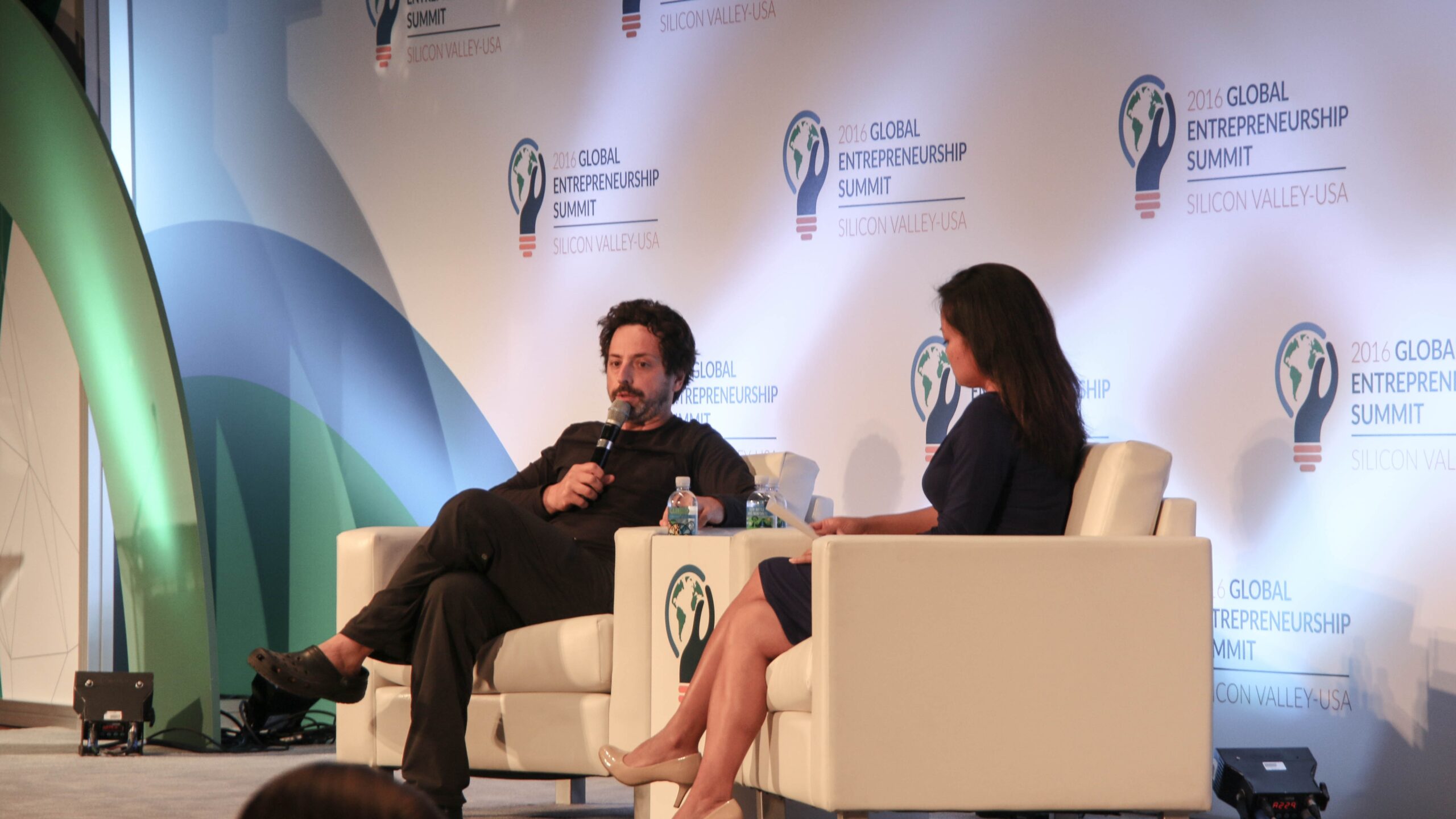
Some of the most prominent figures in Silicon Valley are now openly organizing to defeat the measure. Google cofounder Sergey Brin has teamed up with former Google chief executive Eric Schmidt and other rich techies to fight California’s 5% billionaire tax, a sign that the state’s old guard of tech wealth is willing to spend heavily to protect its interests and to frame the levy as a job killing experiment that will drive investment elsewhere Sergey Brin.
Exit threats, relocations and the residency squeeze
The fight is not just rhetorical, it is geographic. Wealth managers report that clients are already exploring residency changes, warning that the billionaire tax proposal raises complex questions about who counts as a California resident, how to treat illiquid holdings and what happens if someone leaves the state before the levy fully phases in, and they note that for all the apprehension about the wealth tax proposal, it appears highly unlikely that it would take effect anytime soon because it still needs to qualify for the ballot and then survive legal challenges, a process that has Jan and other advisers counseling patience even as they map out exit strategies raises residency.
Some of the most famous names in tech have already voted with their feet. Google founders Larry Page and Sergey Brin have left the state as a result of the proposal, according to The New York Times, and their departure is being cited in polling that shows the billionaire tax faces an uphill battle with voters who are wary of policies that might accelerate the exodus of high earners and the companies they control Larry Page and.
Unions, populists and the push to “hold billionaires accountable”
While billionaires warn of capital flight, organized labor is leaning into a populist message that casts the tax as overdue accountability. The Teamsters have endorsed California’s proposed 5% wealth levy, with The Teamsters stating that they hope the tax proposal holds billionaires “accountable for destroying our jobs and r…” and positioning the measure as a way to claw back some of the gains that they say were extracted from workers through automation, outsourcing and aggressive anti union tactics The Teamsters.
Grassroots advocates are also working to educate voters on the mechanics of the proposal and to counter billionaire funded messaging that frames it as a confiscatory “seizure” of wealth. Explainers circulating in the state spell out What the California billionaire tax could do if it reaches the ballot, with reporters such as Sergio Robles noting that supporters must gather signatures across 34 counties and that organizers are racing against the calendar to qualify the measure for a statewide vote, a process that has turned signature collection into its own proxy battle over public opinion What.
Power, politics and California’s high stakes ballot war
Behind the slogans about fairness and freedom, the billionaire tax fight is also about who sets the rules in California’s economy. Commentators warn that California’s tech billionaires will leave in droves over what they describe as a wealth “seizure” ballot measure that will not even fix the state’s problems, arguing that the wealthy in California are already paying a disproportionate share of income taxes and that the new levy is part of a broader tax and spend agenda that ignores structural waste and regulatory bloat tech billionaires.
At the same time, some of the very figures leaving or threatening to leave are deepening their national political roles. David Sacks, identified as a Tech Investor, Federal AI Czar and General partner at Craft Ventures, relocated to a new Austin, Texas, office in December and has publicly linked his move to California’s tax climate, even as he uses his growing federal portfolio to shape artificial intelligence policy and warns that the state’s approach is forcing founders and investors to plan leaving the state, a dynamic that effectively exports both capital and political clout David Sacks.
More From TheDailyOverview
*This article was researched with the help of AI, with human editors creating the final content.

Grant Mercer covers market dynamics, business trends, and the economic forces driving growth across industries. His analysis connects macro movements with real-world implications for investors, entrepreneurs, and professionals. Through his work at The Daily Overview, Grant helps readers understand how markets function and where opportunities may emerge.

