
The idea of retiring on a cruise ship is gaining traction among retirees who yearn for adventure and a distinctive retirement lifestyle. With the allure of exploring the world, indulging in luxury amenities, and having daily conveniences readily available, many wonder if this dream is financially viable. Let’s delve into the costs associated with living at sea and assess whether a cruise ship retirement is a feasible option.
The Appeal of Retiring on a Cruise Ship
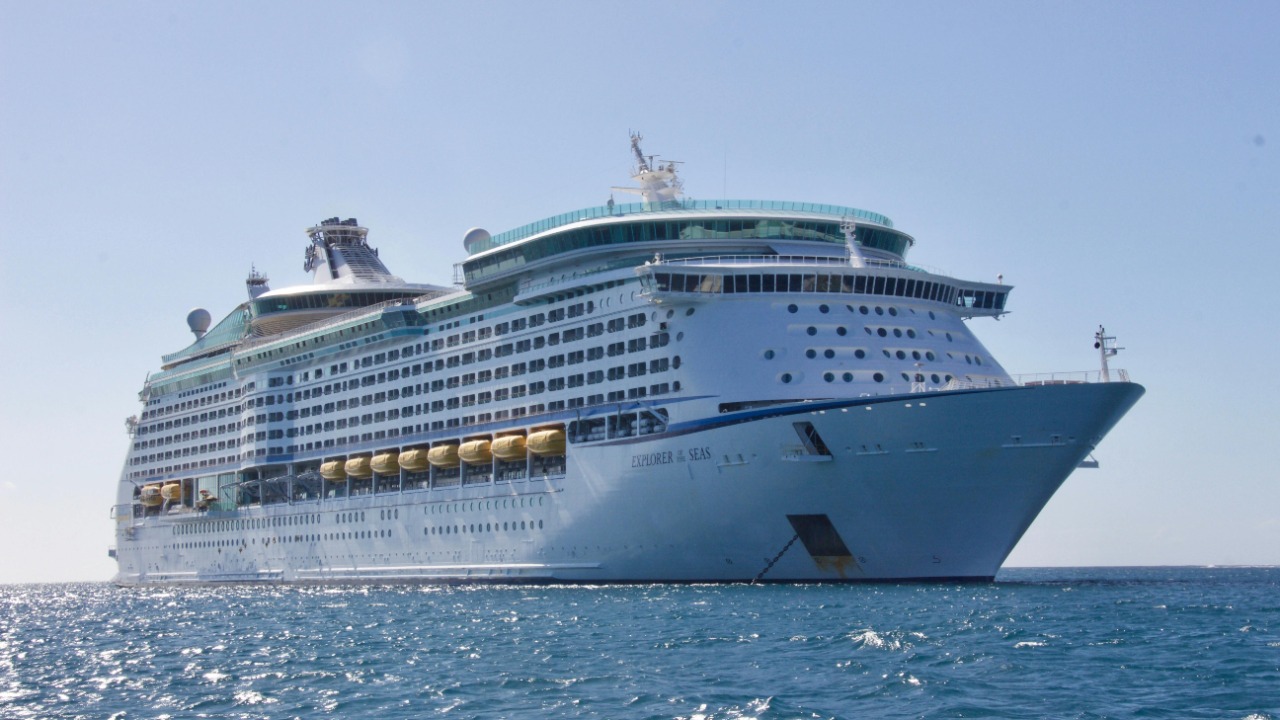
For many retirees, the prospect of waking up in a new destination each day without the logistical challenges of traditional travel is irresistible. Cruise ships offer a unique way to explore multiple locations, from the sun-drenched beaches of the Caribbean to the icy wonders of Alaska, all while enjoying the comfort of a floating hotel. This seamless form of travel, where unpacking is a one-time event, appeals to those who desire both adventure and ease.
Beyond travel, cruise ships are renowned for their wide range of amenities and services. Retirees can enjoy a myriad of dining options that cater to various tastes and dietary needs. Entertainment is another highlight, with theaters offering Broadway-style shows, live music, and more. Additionally, the availability of medical facilities on board provides a sense of security for those concerned about healthcare. These features, combined with the opportunity to participate in organized activities and classes, make cruise ships an attractive retirement option.
Social life plays a significant role in the appeal of cruise ship living. Many long-term passengers form tight-knit communities, finding camaraderie in shared experiences and interests. Whether it’s joining a book club, participating in dance classes, or simply enjoying a meal with fellow travelers, the opportunities for social interaction are abundant. This sense of community often enhances the overall experience, making life at sea both enjoyable and fulfilling.
The Financial Considerations

When considering retirement on a cruise ship, it’s crucial to compare the costs with traditional retirement living options. In many cases, the expense of living on a ship can rival or even surpass that of residing in a retirement community or maintaining a home. However, when factoring in the cost of meals, entertainment, and travel included in cruise fares, some find it comparable. For a more detailed cost analysis, you can refer to SmartAsset’s guide on cruise ship retirement.
There is a wide array of cruise packages available for those considering long-term stays. Some cruise lines offer all-inclusive deals that cover most onboard expenses, while others provide luxury options with added perks. For example, luxury packages can offer an elevated experience but come at a premium price. It’s essential to explore different packages to find one that suits your budget and lifestyle preferences.
While cruise ship living can be an enticing option, potential hidden costs should not be overlooked. Excursions, onboard purchases, and port fees can add up quickly, impacting the overall budget. For instance, while meals are generally included, specialty dining venues may charge extra. Additionally, internet access and laundry services often incur additional fees. Being aware of these potential expenses and planning accordingly can help ensure that retirement on a cruise ship remains affordable.
Real-Life Examples and Case Studies

A growing number of retirees have embraced the cruise ship lifestyle and are sharing their experiences. One such example is a couple who sold their home to live full-time on a cruise ship, spending an average of $90,000 annually. Their story, detailed by Cruzely, highlights the financial strategies they employed, such as taking advantage of discounts and loyalty programs to make their dream a reality.
Those who have spent extended periods at sea offer valuable insights for potential long-term cruisers. A key lesson is the importance of financial planning, including budgeting for unexpected expenses and researching medical insurance options to ensure coverage at sea. These seasoned travelers also emphasize the need to stay flexible, as itineraries can change due to weather or other unforeseen events. For further reading, the book “Ocean Travel and Cruising” provides additional insights into the cruising lifestyle.
Logistical Challenges and Considerations

Healthcare is a significant concern for retirees considering life at sea. While cruise ships are equipped with medical facilities, the level of care may not match that of a traditional hospital. It’s essential to verify the availability of necessary medical services and consider supplemental insurance that covers treatment in foreign ports. Additionally, those with ongoing healthcare needs should assess how these will be managed while at sea.
Travel documentation and visas are critical considerations for long-term international cruising. Retirees must ensure their passports are valid and understand the visa requirements for each destination. Some countries may require visas for extended stays, which can complicate travel plans. Staying informed about these requirements can prevent unexpected disruptions.
Managing everyday logistics while living at sea can present unique challenges. Retirees must consider how they will handle tasks such as mail forwarding, voting, and banking. Many choose to utilize digital solutions for bills and communication, but some tasks may require the assistance of a trusted individual onshore. Planning for these logistical aspects is crucial for a smooth transition to cruise ship living.
Is Retiring on a Cruise Ship Right for You?

Deciding if a cruise ship retirement aligns with your lifestyle preferences is a personal decision. Those who thrive on change and enjoy social interactions may find this lifestyle fulfilling. However, individuals who prefer stability and familiar surroundings may need to consider whether they can adapt to the constant movement and varied environments of life at sea.
Financial suitability is a fundamental aspect of this decision. Prospective cruisers must evaluate their financial situation and ensure they have adequate resources to sustain this lifestyle long term. Consulting with a financial advisor and creating a detailed budget can provide clarity and assurance that this retirement plan is feasible.
For those not ready to commit fully to life at sea, alternative options exist. Part-time cruising or seasonal stays can offer a taste of the cruise ship lifestyle without the full commitment. Exploring these hybrid options allows retirees to balance the excitement of cruising with the comfort of time spent onshore. For insights into different retirement strategies, Kiplinger provides valuable guidance.

Nathaniel Cross focuses on retirement planning, employer benefits, and long-term income security. His writing covers pensions, social programs, investment vehicles, and strategies designed to protect financial independence later in life. At The Daily Overview, Nathaniel provides practical insight to help readers plan with confidence and foresight.