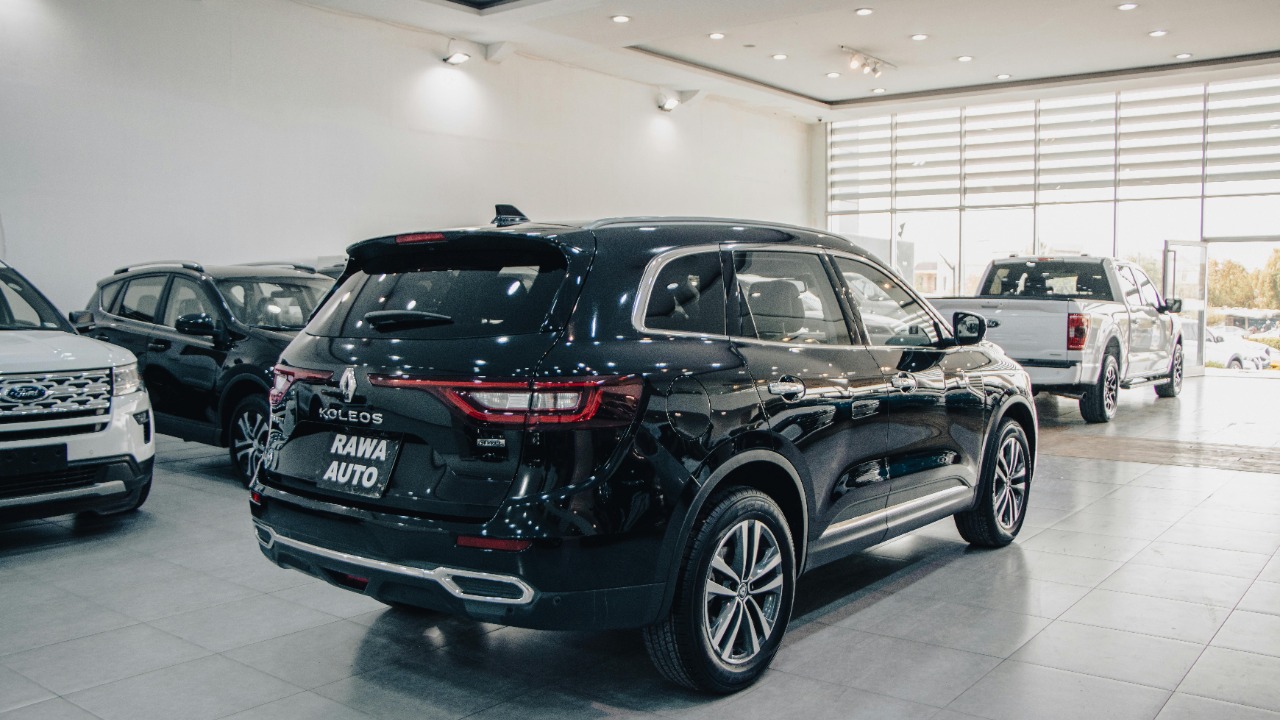
New and used vehicles are now so expensive that a basic trip to the dealership can feel like a luxury purchase rather than a routine necessity. Sticker prices on mainstream models have climbed to historic levels, and the cost of financing has risen alongside them, leaving buyers squeezed from every angle. I am seeing a market where record highs are not an outlier but the new baseline, and shoppers have to work harder than ever to avoid overpaying.
Record highs on the showroom floor
New car prices are no longer inching up, they are leaping into territory that would have sounded extreme only a few years ago. Reporting earlier this fall found that new car prices are significantly higher than they were five to six years ago, with average transaction prices approaching nearly $50,000 and buyers confronting mounting sticker shock as the cost of vehicles, insurance, and borrowing all rise together, a trend detailed in one analysis of historic highs. That escalation is not just about luxury trims, it is showing up in family crossovers, half-ton pickups, and even compact SUVs that used to be entry points into the market.
The psychological impact is just as real as the financial one, because shoppers are now routinely seeing window stickers that start with a five. In mid October, for the first time ever, the average new vehicle price in the United States climbed over $50,000, a threshold that used to be associated with premium badges rather than mainstream brands. Just days later in Oct, another report underscored that Sticker shock was spreading as Car prices top $50K for first time in US, with Kelley Blue Book tying the surge to Tariffs and pricier vehicles catering to wealthier buyers, a pattern captured in a separate Kelley Blue Book overview. When the average crosses that line, it reshapes expectations for everyone walking into a showroom, even those hunting for the cheapest model on the lot.
Used cars are no longer the safe haven
For years, used vehicles were the pressure valve that kept car ownership attainable, but that safety net has frayed badly. During the COVID period, used car prices skyrocketed as production disruptions and supply chain snarls choked off new inventory, a dynamic that one market watcher described by noting that pricing is still elevated and that the question of when values will normalize still hangs in the balance in a Sep 3, 2025 review of how the market evolved During the COVID era. That shock did not fully unwind, and instead it reset the floor for what buyers now have to pay for even older models.
The result is that Used vehicles are posting their own records in 2025. On May 28, 2025, one detailed breakdown reported that Used car prices hit record highs in 2025, explaining that the average sales price of a three-year-old used car had climbed sharply as the supply shortage of new vehicles pushed more shoppers into the secondhand market, with the basic economics summed up simply, when supply shrinks, price goes up, a pattern laid out in a May 28, 2025 Used overview. A separate report from Cars.com, also cited in that coverage, reinforced that What buyers are seeing on dealer lots is a tight pipeline of late model trade ins and off lease vehicles, which keeps prices stubbornly high even as some shoppers hope for relief, a point highlighted in the companion Used market snapshot. When both new and used prices are setting records in the same year, the traditional advice to “just buy used” no longer guarantees savings.
Why prices keep climbing instead of cooling
To understand why sticker shock is intensifying rather than fading, I look at the structural forces that have been building for several years. Several key factors are continuing to influence the demand and pricing of used vehicles, including Inventory Shortages from earlier production cuts, elevated demand from buyers priced out of new models, and a backlog of fleets that still need to refresh aging vehicles, all of which were laid out in a May 5, 2025 breakdown of why used car prices are still high in 2025 Several structural pressures. When rental companies, ride share drivers, and small businesses are competing with families for the same pool of late model crossovers and pickups, the market has little room to breathe.
On the new car side, the mix of vehicles being built is pushing averages higher even before financing is factored in. A Nov 11, 2025 overview of the broader car market cited Cox Automotive data in a Kelley Blue Book Report showing that the New Vehicle Average Transaction Price Hits Record High in September, with the figure Surges driven by a shift toward larger, more expensive trucks and SUVs, as well as rising costs for technology and safety equipment, a pattern summarized in a Nov snapshot from Cox Automotive. Automakers have leaned into higher margin models, and when those are the vehicles filling dealer lots, the average buyer ends up paying for features and size they may not have sought out in a different market.
Timing, tactics, and the shrinking room to negotiate
With prices this high, the old playbook of simply waiting for a better deal has become more complicated. In Sep 2025, one seasoned observer argued that this is also the time when, historically, discounts go up to some of their highest levels of the year, and that Automakers that still have inventory to move often sweeten incentives in the fall, while also warning that destination charges and other fees can quietly erode those savings, a perspective laid out in a Sep 14, 2025 column on why some shoppers might wait two months but not much longer For shoppers on the fence. That advice reflects a market where timing still matters, but the window for meaningful discounts is narrower and more dependent on specific models than it used to be.
Negotiation itself has also changed, but it has not disappeared. On the new car side, experts still stress that buyers should Know their budget before they ever set foot in a showroom, and that they should be prepared to walk away or shift to a different trim if the numbers do not line up, guidance spelled out in a Jun 28, 2023 primer on how to negotiate car prices that also recommends using email and text strategically and knowing when to stop communications if the pressure becomes too intense Know your budget. On the used side, the fundamentals are similar but the homework is even more critical, with one dealership guide urging shoppers to Research the Car’s Market Value, scrutinize vehicle history reports, and be ready to counteroffer based on concrete data rather than emotion, a set of tactics laid out in a Mar explainer on how to negotiate like a professional at a pre owned lot Research the Car. In a market where list prices are inflated, the only leverage most buyers have is preparation.
How buyers are adapting to a market that will not go back
Faced with record prices and limited bargaining power, many drivers are rethinking what kind of vehicle they truly need and how long they plan to keep it. Some are stretching loan terms to keep monthly payments manageable, while others are holding on to older cars longer, hoping to time their purchase for a softer market that may not arrive quickly. A detailed May 28, 2025 look at the used market noted that some owners are discovering unexpected trade in advantages because their three or four year old vehicles are worth far more than they anticipated, a twist that can help offset the higher cost of the replacement vehicle if they are willing to be flexible on brand or body style, a dynamic described in the same Used pricing breakdown. For owners with clean, low mileage vehicles, the current environment can feel like a seller’s market, even as it punishes buyers.
Others are getting more creative about how they access transportation in the first place. Back in Jun 20, 2021, when new and used car prices were already described as sky high, consumer advocates were urging shoppers to Go for less popular models, consider smaller sedans instead of hot SUVs and pickups, and even look at leasing as a way to secure a lower payment if they were comfortable with mileage limits, advice captured in a guide that also reminded readers that, in the end, you’re leasing happiness, not just metal Go for less popular models. That mindset has only grown more relevant as prices have climbed further, pushing some households toward car sharing apps, subscription services, or simply downsizing to a single vehicle.
For anyone trying to decide whether to jump in now or wait, the calculus is tricky. Some analysts argue that the used market may gradually cool as more off lease vehicles return and production normalizes, while others caution that structural factors like higher interest rates and a shift toward expensive trucks and SUVs will keep average prices elevated for years, a tension that shows up in multiple market outlooks, including a Sep 3, 2025 discussion of whether used prices will drop and a May 5, 2025 review of why they remain stubbornly high Sep market outlook and Inventory Shortages. In that kind of environment, I find that the smartest move is not to chase the perfect moment, which may never come, but to focus on controlling the variables within reach: choosing a modest vehicle, negotiating hard, and, when possible, turning the inflated value of your current car into a rare advantage.
Even with all of these headwinds, there are still pockets of opportunity for buyers who are willing to be strategic. Some experts suggest that now can be an advantageous time to sell or trade in a used vehicle, particularly if it is a three or four year old model with desirable features, because dealers are hungry for inventory and retail prices remain elevated, a point echoed in guidance on whether it is the right moment to buy, sell, or trade in a used car that walks through how to evaluate your position in this unusual market time to buy, sell, or trade. In a market defined by record highs, the key is not waiting for prices to magically fall back to old norms, but learning how to navigate the new reality with clear eyes and a firm grasp of the numbers.
More From TheDailyOverview
- Dave Ramsey warns to stop 401(k) contributions
- 11 night jobs you can do from home (not exciting but steady)
- Small U.S. cities ready to boom next
- 19 things boomers should never sell no matter what

Elias Broderick specializes in residential and commercial real estate, with a focus on market cycles, property fundamentals, and investment strategy. His writing translates complex housing and development trends into clear insights for both new and experienced investors. At The Daily Overview, Elias explores how real estate fits into long-term wealth planning.

