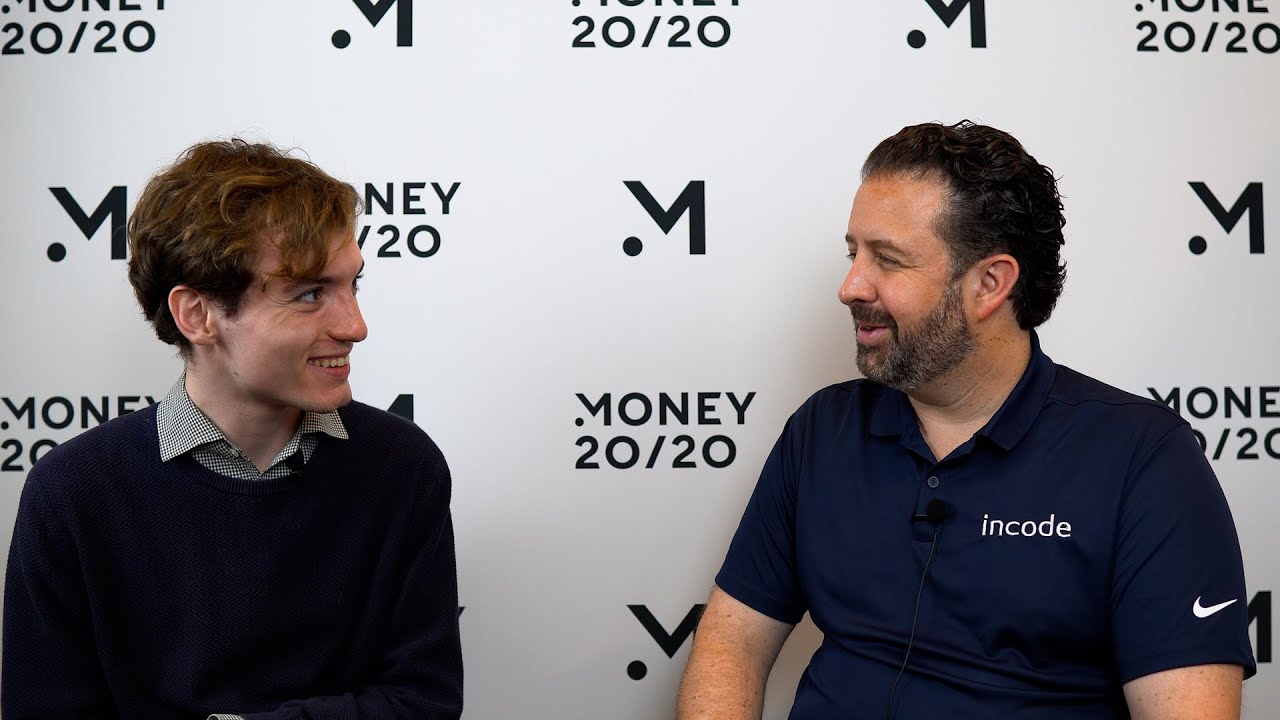
The head of a $1.25 billion artificial intelligence company is betting that youth beats experience. Ricardo Amper, the chief executive of identity verification firm Incode, says he prefers hiring Gen Z candidates because he believes they arrive with fewer ingrained assumptions than older workers and are more open to new ways of working. His stance, which explicitly links age, bias and performance, is sharpening an already tense debate over who wins in an AI‑driven labor market.
Instead of treating long résumés as a safe default, Amper argues that too much experience can harden habits that do not fit fast‑moving technology businesses. He is not alone. Other high‑profile leaders, including Figma CEO Dylan Field and Goldman Sachs chief executive David Solomon, are publicly weighing how much weight to give age, experience and AI fluency when they build teams. I see their comments as a revealing snapshot of how power brokers are quietly rewriting the rules of hiring.
Inside Ricardo Amper’s Gen Z hiring playbook
Ricardo Amper runs Incode, a digital identity company valued at $1.25 billion, and he has been unusually blunt about why he leans toward younger applicants. He has said that he deliberately recruits Gen Z because he believes they come with fewer preconceived notions about how work should be done and are therefore “less biased” than older generations. In his view, the company’s success in a sensitive field like identity verification depends on people who can question legacy assumptions rather than replicate them, a philosophy he has tied directly to Incode’s rapid growth and unicorn valuation in AI.
Amper has also challenged the idea that a track record in a similar role is a reliable predictor of performance. He has argued that “having done a similar job before doesn’t mean you can do this job,” insisting that younger, less experienced workers can outperform veterans when the work itself is changing quickly. In interviews highlighted on $1.25 billion coverage of his company, he frames experience as a double‑edged sword: useful for understanding context, but dangerous if it locks people into outdated playbooks that do not fit AI‑native products.
‘Less bias’ versus hard‑won experience
The core of Amper’s argument is that bias is not just a social issue, it is a business risk. He has said “it’s easier to find people who are unbiased as young people,” suggesting that Gen Z employees are less likely to carry entrenched views about identity, security and customer behavior into product decisions. That perspective surfaced in a widely shared social clip where he contrasted younger hires’ openness with what he sees as older workers’ tendency to rely on patterns that may no longer hold in an AI‑driven market.
At the same time, Amper has acknowledged that youth is not a magic bullet. In a more detailed explanation, he said leaders must “balance” the search for less biased minds with the reality that “capabilities are developed through experiences,” a nuance captured in a follow‑up post. That tension runs through his hiring philosophy: he wants the fresh perspective of Gen Z, but he also knows that building a regulated, enterprise‑grade AI business still requires people who have navigated complex projects before.
Short‑term execution or long‑term reinvention?
Amper’s stance echoes a broader strategic question facing executives: are they hiring for immediate execution or for long‑term reinvention. In one interview, a leader identified as Feb argued that “if you are pursuing short-term goals, it is right to find people with ready experience,” but if the aim is to reshape a business, it can be smarter to prioritize potential over a perfect résumé. Feb’s comments, shared in a conversation with Chin, were cited to explain why some founders are comfortable betting on less seasoned workers when they are trying to build entirely new categories in AI.
That logic underpins Amper’s claim that younger hires can be a better fit for roles that did not exist a few years ago. In coverage that quoted him directly, the CEO argued that younger, inexperienced workers are often more willing to learn new tools and workflows from scratch, rather than trying to force old methods onto new problems. The same reporting, which highlighted his insistence that prior titles are not destiny, underscored how he sees Gen Z as a hedge against complacency in a sector where product cycles are measured in months, as reflected in CEO commentary.
Other CEOs are quietly tilting younger too
Amper is not the only high‑profile leader signaling a preference for younger, AI‑native workers. Figma CEO Dylan Field has openly described his own “bias” toward hiring young professionals, arguing that they are more likely to be fluent in generative AI tools that are rapidly becoming core to design and software work. Field has said that AI skills give younger candidates a clear hiring advantage, particularly in roles where tools like ChatGPT, Midjourney or GitHub Copilot are embedded in daily workflows, a point he made in an interview cited in coverage of his hiring philosophy.
Field’s reasoning is straightforward: if a company’s competitive edge depends on how quickly it can integrate AI into products, then workers who grew up experimenting with these systems may ramp faster than those who are still catching up. In a detailed breakdown of his approach, he was described as favoring candidates who are “AI native,” a phrase that captures how he sees generative tools as a default part of younger workers’ skill sets rather than an optional add‑on. That framing, highlighted in AI skills reporting and in a separate analysis that noted “Figma CEO Says He Favors Hiring Young People Because They” are “Native,” shows how age and technical fluency are being bundled together in hiring narratives, as reflected in Business coverage.
The pushback: experience still matters
Not every leader is convinced that youth should outweigh experience. In the financial sector, figures like Goldman Sachs chief executive David Solomon have argued that experience “trumps everything” in business, including raw intelligence. Solomon’s view, cited in reporting that contrasted his stance with Amper’s, is that years spent navigating crises, markets and clients create judgment that cannot be replicated by even the most technically gifted newcomer. That perspective was highlighted in a piece that framed “Leaders like Goldman Sachs’ David Solomon” as champions of experience as a professional blessing rather than a curse, a point underscored in Leaders coverage.
There are also examples of companies deliberately bringing in seasoned executives to steer AI transformations. One report noted that Rodney Zemmel, the global head of a major consulting firm’s digital practice, was tapped for a top role, with his appointment detailed in a press release that emphasized his long track record. That hire, described in Rodney coverage, illustrates how boards still lean on veterans when they want someone who has already led large‑scale change, even as founders like Amper and Field talk up the advantages of younger staff.
More From TheDailyOverview
*This article was researched with the help of AI, with human editors creating the final content.

Grant Mercer covers market dynamics, business trends, and the economic forces driving growth across industries. His analysis connects macro movements with real-world implications for investors, entrepreneurs, and professionals. Through his work at The Daily Overview, Grant helps readers understand how markets function and where opportunities may emerge.

