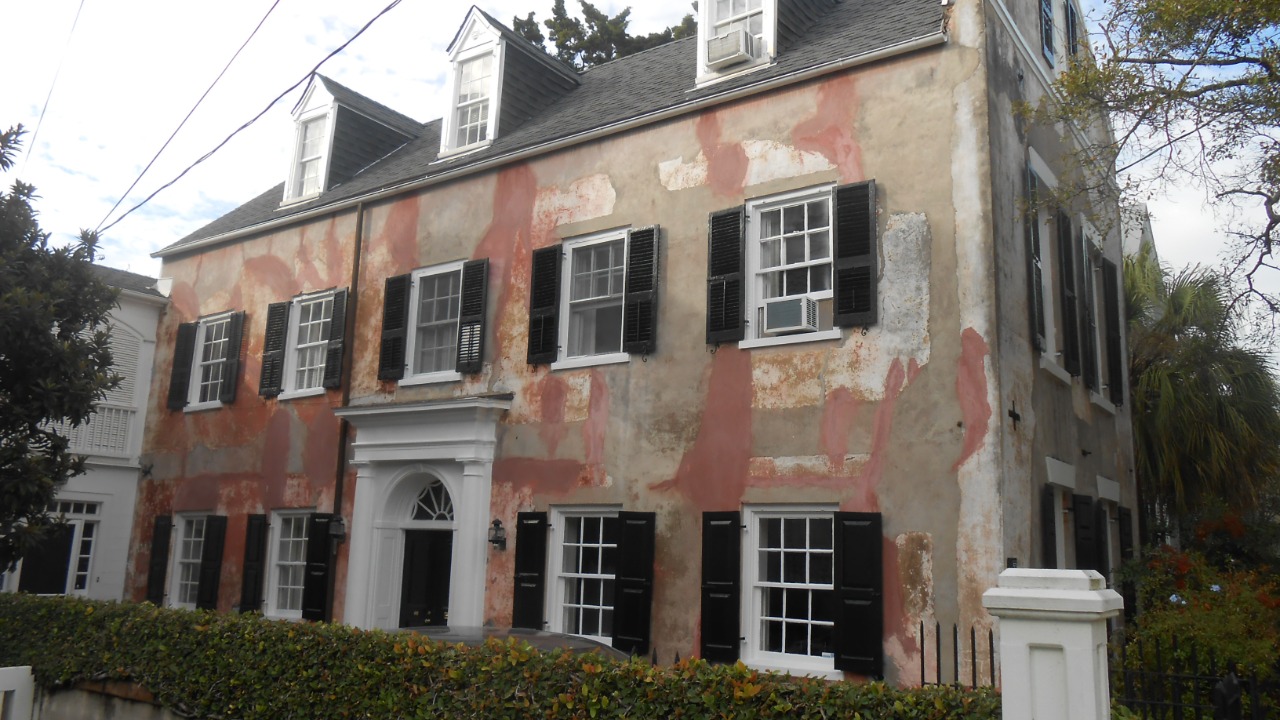
The historic home at 53 Legare Street in Charleston, South Carolina, has set a new benchmark in the city’s real estate market by selling for $21.028 million. This transaction not only marks the most expensive residential sale in Charleston’s history but also highlights the city’s growing appeal as a luxury destination. The property, purchased by an anonymous buyer through a trust linked to New York investor Johnathan Hale, was listed by the Ravenel family, descendants of the original owner. This sale surpasses the previous record of $18.5 million set in 2021 for a nearby estate on Battery Street.
Property Overview
The grandeur of the home at 53 Legare Street is evident in its architectural and historical significance. Spanning 12,000 square feet across four stories, the residence boasts 14 bedrooms and 12 bathrooms. Built in 1840 in the Greek Revival style, the property is a testament to Charleston’s rich architectural heritage, as documented by the Charleston Historical Society. Key interior features include a grand ballroom, original heart pine floors, and hand-painted murals that were meticulously restored in 2015, according to an architectural survey by preservationist Dr. Emily Hargrove. The property sits on a 0.75-acre lot, complete with formal gardens and a carriage house, offering picturesque views of White Point Garden, as detailed in the listing description from Sotheby’s International Realty.
Sale Transaction Details
The sale of this historic property was finalized at exactly $21.028 million, with the deed recorded in Charleston County under document number 2023-045678. The buyer, a trust associated with Johnathan Hale, a New York-based hedge fund manager, secured the property after outbidding two other offers during a private auction facilitated by Williams & Williams auction firm. The sellers, the Ravenel family trust, inherited the property from Charles Ravenel II and decided to sell due to the high maintenance costs, which exceeded $500,000 annually.
Historical Significance
The origins of the home trace back to 1840 when it was constructed by merchant James Legare. It served as a private residence until the Civil War, with its storied past preserved in the South Carolina Historical Magazine archives. The home has witnessed significant historical events, including its occupation by Union troops in 1865 and restorations following the 1886 earthquake, as detailed in preservation reports from the 20th century. Its cultural significance is further underscored by hosting notable figures such as Robert E. Lee in the 1850s and its appearance in films like “The Notebook” in 2004, as noted in Hollywood Reporter coverage.
Market Impact and Comparisons
This record-breaking sale eclipses the previous high of $18.5 million for the Battery Street estate, sold in May 2021 to tech entrepreneur Sarah Kline. The transaction reflects broader trends in Charleston’s luxury market, where median high-end home prices have risen 15% year-over-year to $4.2 million in 2023, driven by interest from out-of-state buyers, according to Realtor.com data. Local realtor Michael Brown commented, “This transaction signals Charleston’s emergence as a top-tier luxury destination, potentially sparking more nine-figure deals,” highlighting the city’s growing allure for affluent buyers. The sale of 53 Legare Street not only sets a new record but also underscores Charleston’s evolving status in the luxury real estate market. With its rich history, architectural beauty, and strategic location, the property exemplifies the unique appeal that continues to attract high-net-worth individuals to the area. As Charleston’s luxury market continues to thrive, this landmark sale may pave the way for future high-value transactions, further cementing the city’s reputation as a premier destination for luxury living.
More From TheDailyOverview
- Dave Ramsey warns to stop 401(k) contributions
- 11 night jobs you can do from home (not exciting but steady)
- Small U.S. cities ready to boom next
- 19 things boomers should never sell no matter what

Elias Broderick specializes in residential and commercial real estate, with a focus on market cycles, property fundamentals, and investment strategy. His writing translates complex housing and development trends into clear insights for both new and experienced investors. At The Daily Overview, Elias explores how real estate fits into long-term wealth planning.

