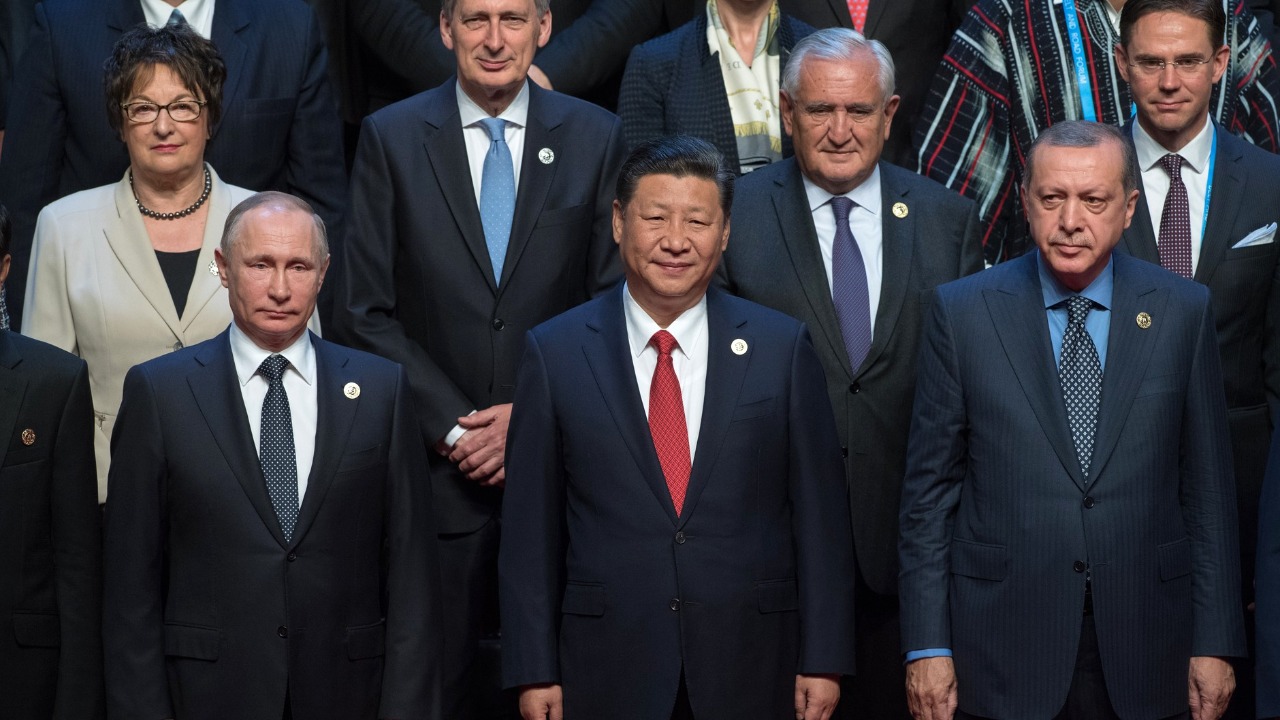
China has embarked on its most ambitious mega project yet, committing a staggering $450 billion investment to secure its future. This colossal initiative aims to revolutionize infrastructure, boost technological advancements, and enhance China’s global influence. Through strategic planning and massive resource allocation, China seeks to redefine its role on the international stage.
Infrastructure Overhaul

Transport Networks Expansion
China is undertaking a massive expansion of its transport networks to enhance connectivity both domestically and internationally. A significant portion of the investment is directed towards developing high-speed rail systems, which will link major cities across the country. This initiative not only aims to reduce travel time but also to promote regional economic integration. Additionally, the expansion of ports and airports is set to facilitate international trade, positioning China as a more accessible hub for global commerce.
The enhanced transport networks are expected to streamline logistics and reduce costs for industries reliant on efficient supply chains. The development of these networks is a strategic move to support China’s economic growth and its ambition to lead in global trade. The ongoing construction of smart cities is further bolstered by these infrastructure improvements, providing a seamless integration of technology and transportation.
Urban Development Initiatives
Urban development in China is set for a revolutionary transformation with the construction of smart cities. These cities will integrate advanced technology to enhance the quality of life for residents and improve urban management. Through the use of IoT, big data, and AI, smart cities will provide efficient public services and sustainable living environments. The construction of sustainable housing projects is also a priority, catering to urban migration and the growing demand for living spaces.
These initiatives are designed to address the challenges of urbanization while promoting environmental sustainability. By focusing on eco-friendly construction practices, China aims to minimize the environmental impact of urban development. The commitment to reducing emissions and protecting natural habitats is a testament to China’s dedication to sustainable growth and development.
Technological Advancements
Quantum Technology Development
China is at the forefront of quantum technology development, investing heavily in research and applications. The country has established partnerships with leading universities and tech firms to accelerate breakthroughs in quantum computing. This collaboration is poised to enhance China’s capabilities in areas such as cybersecurity, communications, and data processing.
Quantum technology is expected to revolutionize industries by providing unprecedented computational power and security. China’s commitment to this field underscores its ambition to lead in technological innovation, setting the stage for future advancements that could reshape the global tech landscape.
Clean Energy Innovations
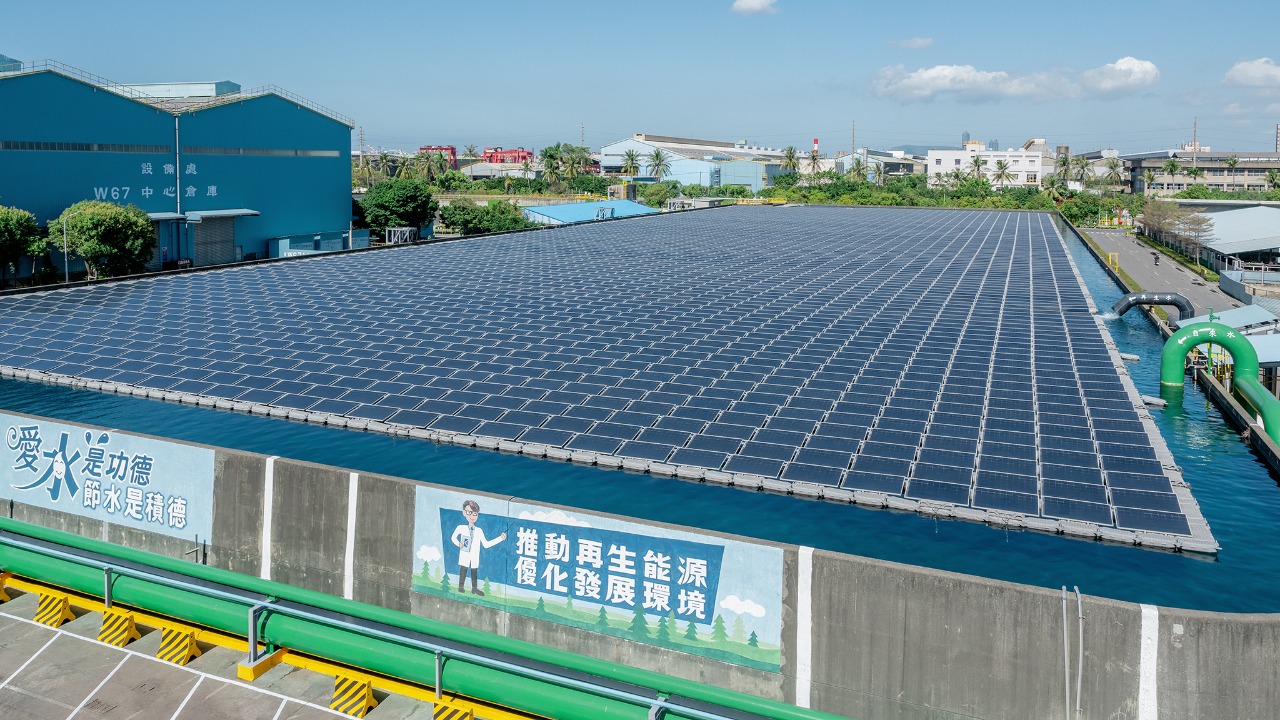
In a bid to address climate change and reduce its carbon footprint, China is significantly expanding its solar and wind energy projects. This initiative is part of a broader strategy to transition to clean energy and ensure energy security. Government incentives are also in place to stimulate research in energy storage and efficiency, fostering innovation in the sector.
China’s focus on clean energy is not only driven by environmental concerns but also by the desire to position itself as a leader in the global energy market. By investing in renewable energy, China is paving the way for sustainable economic growth and setting an example for other nations to follow. However, challenges remain, such as the potential impact of international policies like tax reforms that could affect clean energy investments.
Global Influence and Partnerships

Belt and Road Initiative Expansion
The Belt and Road Initiative (BRI) is a cornerstone of China’s strategy to expand its global influence. By strengthening ties with Latin American countries through infrastructure projects, China aims to create new economic corridors and enhance trade routes. This expansion is set to bolster China’s position as a key player in international trade and development.
China’s engagement in Latin America is multifaceted, involving investments in sectors like energy, transport, and telecommunications. Such initiatives are crucial for building strategic alliances and fostering economic growth in the region. The BRI’s success will depend on China’s ability to navigate complex geopolitical landscapes and maintain mutually beneficial relationships with partner countries.
Strategic Alliances in Technology
China is forming strategic alliances with international tech companies to drive mutual growth and innovation. These partnerships are designed to enhance China’s technological capabilities and increase its influence in the global tech industry. By exporting technology and expertise, China is boosting its soft power and establishing itself as a leader in innovation.
These alliances are not only beneficial for China’s technological advancement but also for its partners, who gain access to China’s vast market and resources. The collaborative efforts in technology development are expected to yield significant economic benefits and foster a more interconnected global tech ecosystem.
Economic Implications and Opportunities

Job Creation and Economic Growth
The mega project is expected to generate millions of jobs across various sectors, providing a substantial boost to the economy. As infrastructure projects and technological advancements progress, demand for skilled labor will rise, creating opportunities for employment and career development. These developments are anticipated to stimulate GDP growth, driven by increased domestic and international investments.
The economic benefits of the project extend beyond job creation, as improved infrastructure and technology will enhance productivity and competitiveness. By investing in its future, China is laying the foundation for sustained economic growth and prosperity, positioning itself as a global economic powerhouse.
Challenges and Risks
Despite the numerous opportunities, the mega project also presents challenges and risks. One significant concern is the potential for economic disparities, as resources may not be evenly distributed across regions and sectors. Ensuring fair distribution and access to opportunities is crucial for maintaining social stability and cohesion.
Additionally, managing debt levels and financial risks associated with large-scale investments is vital for the project’s success. China must carefully balance its ambitions with fiscal responsibility to avoid financial instability and ensure long-term sustainability of its mega project endeavors.

Grant Mercer covers market dynamics, business trends, and the economic forces driving growth across industries. His analysis connects macro movements with real-world implications for investors, entrepreneurs, and professionals. Through his work at The Daily Overview, Grant helps readers understand how markets function and where opportunities may emerge.

