
China’s economic slowdown has raised concerns globally, impacting markets and individual investors, including those with 401(k) retirement accounts. Understanding the nuances of China’s economic shift is crucial for American investors to make informed decisions. This article breaks down the factors contributing to the slowdown and its implications for 401(k) holders.
The Roots of China’s Economic Slowdown

China faces several domestic challenges that are contributing to its economic slowdown. The real estate market, once a pillar of growth, is under significant strain due to high debt levels and regulatory tightening. This has led to a decrease in property investments and a slowdown in construction activities. Additionally, China is grappling with demographic changes, such as an aging population and a declining birth rate, which are expected to impact labor supply and economic productivity in the long term.
Government policies have also played a crucial role in the slowdown. Regulatory crackdowns on sectors like technology and education have created uncertainty and dampened investor confidence. These measures, aimed at addressing issues such as data security and educational inequality, have inadvertently slowed down growth in these previously booming sectors. Furthermore, the impact of COVID-19 cannot be overlooked. The pandemic disrupted supply chains and consumer spending, hindering recovery efforts and contributing to the overall economic deceleration.
Global Trade and Tariff Impacts
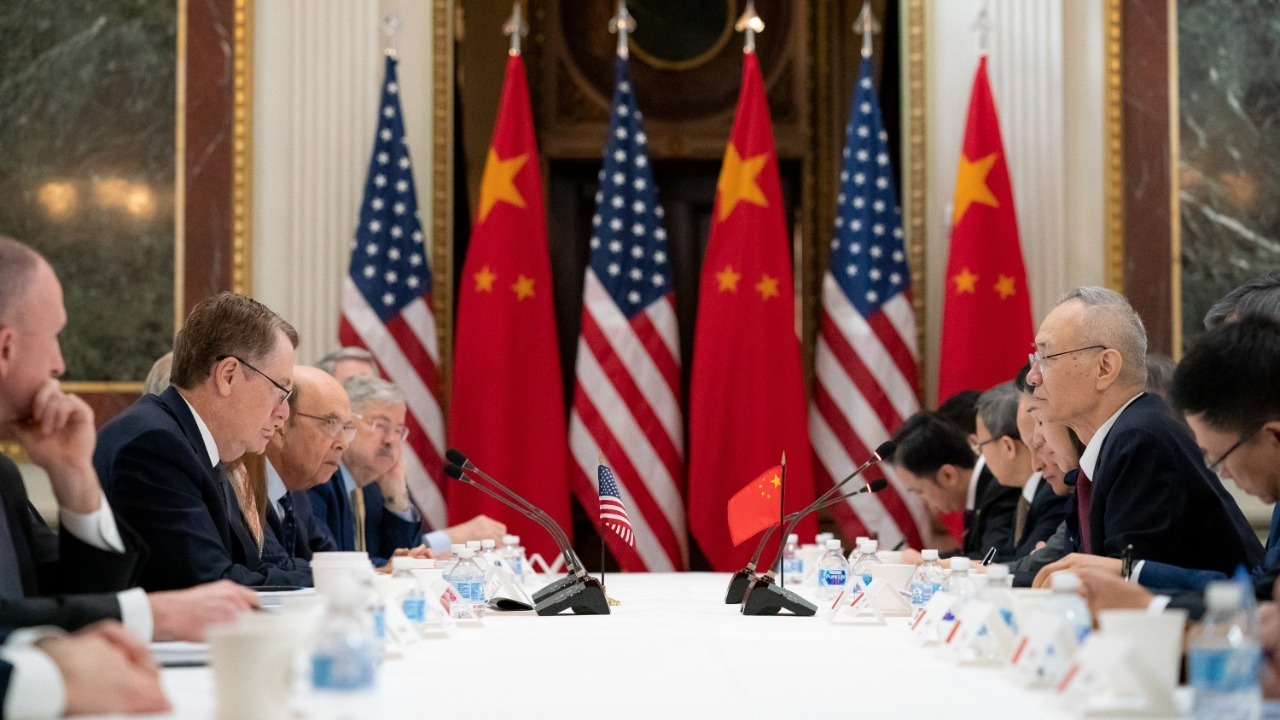
The ongoing trade tensions between the United States and China have further complicated the economic landscape. The tariffs introduced during the Trump administration have had lingering effects on both economies. According to a report by NBC News, these tariffs have led to retaliatory measures from China, affecting trade flows and economic stability. The uncertainty surrounding trade policies continues to weigh on investor sentiment and market performance.
Supply chain disruptions, exacerbated by tariffs and the pandemic, have also impacted Chinese exports. The global supply chain issues have led to delays and increased costs, affecting the competitiveness of Chinese goods in international markets. These disruptions have not only slowed down China’s economic growth but have also contributed to volatility in global markets, affecting investors worldwide.
Implications for Global Markets

China’s economic slowdown has significant implications for global markets, particularly in terms of stock market volatility. The uncertainty surrounding China’s growth prospects has led to fluctuations in global stock markets, impacting investor confidence and the performance of 401(k) accounts. As investors react to news of China’s economic challenges, market volatility is likely to persist, affecting retirement portfolios.
Moreover, changes in China’s demand for commodities have influenced global prices. As one of the world’s largest consumers of commodities, any shift in China’s economic activity can have a ripple effect on global markets. This has implications for industries reliant on commodities, as well as for investment portfolios that include commodity-related assets. Investors need to be aware of these dynamics when considering their investment strategies.
How 401(k) Holders Can Respond

For 401(k) holders, diversification is key to mitigating risks associated with international economic fluctuations. By spreading investments across different asset classes and geographic regions, investors can reduce their exposure to any single market’s volatility. This strategy can help protect retirement savings from the adverse effects of China’s economic slowdown.
Maintaining a long-term perspective is also crucial for 401(k) holders. While short-term market volatility can be unsettling, it’s important to focus on long-term retirement goals. By staying committed to a well-thought-out investment plan, investors can navigate through periods of uncertainty and work towards achieving their financial objectives.
Looking Ahead: Future Projections
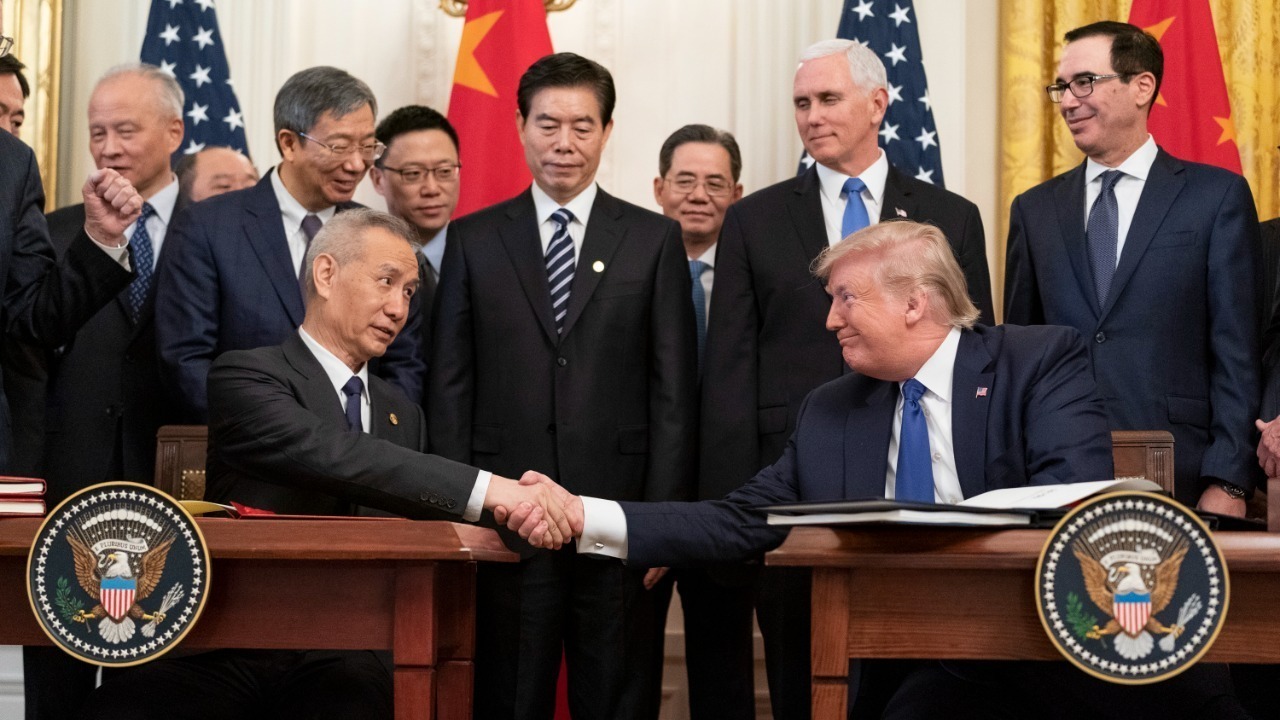
Looking ahead, the prospects for China’s economic recovery remain uncertain. Various scenarios could unfold, each with different implications for global markets and 401(k) holders. While some analysts are optimistic about a rebound driven by policy adjustments and increased domestic consumption, others caution that structural challenges may continue to weigh on growth.
Potential policy shifts in both China and the United States could also influence future economic interactions. Changes in trade policies, regulatory environments, and international relations could create new opportunities or challenges for investors. Staying informed about these developments will be crucial for 401(k) holders as they navigate the evolving economic landscape.

Grant Mercer covers market dynamics, business trends, and the economic forces driving growth across industries. His analysis connects macro movements with real-world implications for investors, entrepreneurs, and professionals. Through his work at The Daily Overview, Grant helps readers understand how markets function and where opportunities may emerge.