Ford’s CEO has discussed a framework with President Trump for allowing Chinese automakers into the United States through joint ventures, a development that signals how quickly the competitive threat from Beijing’s car industry is moving from theoretical to operational. China already dominates global electric vehicle production and trade, and several of its largest manufacturers are actively exploring paths into the world’s most profitable car market. The regulatory wall standing between Chinese brands and American showrooms is real, but it may be thinner than most consumers assume.
Joint Ventures as the Front Door
The most likely route for Chinese automakers into the U.S. is not a direct assault on tariff barriers but a partnership strategy that mirrors what Japanese and Korean manufacturers did decades ago. Steve Greenfield, general partner of Automotive Ventures, has predicted that Chinese automakers may enter the U.S. market in 2026 through joint ventures with existing domestic manufacturers. That timeline got more concrete when Ford’s CEO sat down with President Trump to discuss a framework for the arrival of Chinese carmakers that would involve creating such partnerships. The White House has simultaneously been pushing incentives and tariff offsets tied to U.S. assembly, using tools like new domestic production incentives to reward companies that build vehicles and batteries on American soil.
This approach makes financial sense for both sides. American consumers are wealthier and tend to buy bigger, more expensive vehicles, making the U.S. market far more profitable than most other regions for automakers over the next several years. For a Detroit incumbent like Ford, a joint venture could mean access to cheaper EV platforms and battery technology without ceding brand identity, while a Chinese partner would gain an established dealer network and regulatory know-how. The risk, of course, is that American manufacturers end up accelerating a competitor that eventually outgrows the partnership, a pattern that played out in China itself when foreign automakers were required to form joint ventures with domestic firms and later watched those partners evolve into formidable global rivals.
The Regulatory Gauntlet Still Standing
Even with political goodwill, Chinese automakers face a dense web of federal rules that no joint venture can simply bypass. The U.S. Department of Commerce has finalized a rule intended to secure connected vehicle supply chains from foreign adversary threats, covering passenger vehicles under 10,001 pounds and enforcing restrictions on a phased model-year timeline. The Connected Vehicles program, which became effective in March 2025, specifically targets software and hardware components linked to countries the U.S. considers adversaries, including China. Any vehicle sold in America with Chinese-origin connectivity technology could fall afoul of these rules, which means joint ventures would need to localize not just assembly but also their digital architecture, data handling, and over-the-air update systems.
Beyond the connected-vehicle restrictions, the National Highway Traffic Safety Administration requires that all vehicles imported into the U.S. conform to federal safety standards, carry proper labeling, and pass through registered importers. The Uyghur Forced Labor Prevention Act adds another layer by creating a rebuttable presumption that goods from certain Chinese regions involve forced labor, complicating parts sourcing for any vehicle with supply chains running through Xinjiang. At the same time, the USMCA’s Labor Value Content rules mean that vehicles assembled in Mexico by Chinese-backed factories would still need to meet strict North American content thresholds to receive preferential tariff treatment. These are not abstract hurdles; they represent years of engineering, documentation, and auditing work before a single Chinese-branded car could roll off an American lot with full regulatory compliance.
Who Is Already at the Gate
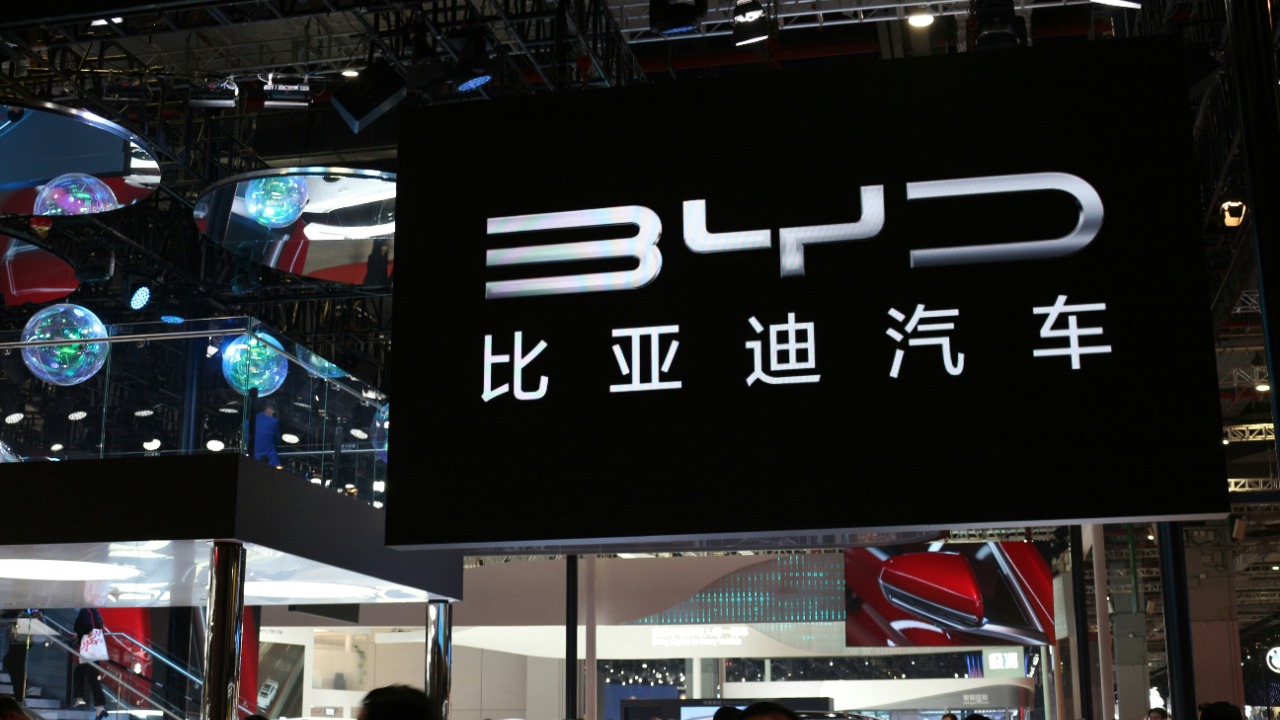
The list of Chinese automakers positioning themselves for a U.S. push is longer than most people realize. BYD, China’s largest EV maker, has laid out plans to sell well over a million plug-in models outside of China and is already expanding into Canada, where it faces a relatively modest tariff rate compared with potential U.S. duties. Geely Holding Group signaled a potential U.S. market entry during CES 2026, with Global Communications Head Ash Sutcliffe indicating that the company is exploring bringing its Zeekr and Lynk & Co brands stateside, though not as an immediate showroom launch. Brands such as Chery, Changfeng, and Great Wall have also expressed interest in following the path established by other Asian automakers that built thriving businesses in North America through a mix of imports, local assembly, and eventually full-scale manufacturing plants.
China is particularly competitive when it comes to electric vehicles, and that advantage is being sharpened by domestic pressure. EV demand in China has been cooling, and Beijing has been rolling back subsidies, making the home market less attractive for manufacturers sitting on massive production capacity that now needs an outlet. Greenfield, speaking at an industry event, put it bluntly: Chinese competitors could arrive through partnerships formed “with the existing automakers,” a point he underscored in remarks reported by an automotive industry briefing. With Chinese companies already exporting aggressively to Europe, Latin America, and the Middle East, the United States stands out as the last major market still largely closed to them, and therefore as a strategic prize that justifies years of investment and negotiation.
Mexico, Tariffs, and the Back Door Debate
One of the biggest political flashpoints is whether Chinese automakers might try to use Mexico as a back door into the U.S. market. Reports have detailed how Beijing and Mexico City have held talks about deeper industrial cooperation, including automotive investment, as Chinese firms scout North American locations for new factories. According to one account, Chinese automakers are weighing whether plants south of the border could allow them to “come to the U.S.” under existing trade rules, with some analysts warning that they could be here fairly soon if investment decisions are made quickly. That possibility has already triggered calls in Washington for tighter scrutiny of any Mexico-based plants controlled by Chinese capital, especially if they seek USMCA tariff benefits.
Yet using Mexico as a staging ground would not eliminate the regulatory and political obstacles facing Chinese brands. To qualify for preferential treatment under USMCA, vehicles must meet regional content rules and labor value requirements that are designed to prevent simple “screwdriver” assembly of mostly imported components. Any attempt to route Chinese-made parts through Mexico at scale would quickly draw attention from trade authorities and unions, which have become more vocal about protecting domestic auto jobs. As a result, the more plausible scenario is that Chinese automakers combine Mexican or U.S. assembly with deeper localization of components, technology, and labor practices (an expensive but potentially necessary path) if they want to build a durable presence in the American market rather than just ship a wave of low-cost imports.
How Fast the Future Arrives
The emerging framework between Ford, the White House, and potential Chinese partners illustrates how rapidly the conversation has shifted from whether Chinese automakers will enter the U.S. to how they will do it. Joint ventures offer a politically palatable way to harness Chinese cost and technology advantages while preserving American brands and jobs, particularly if new plants are sited in swing states hungry for investment. At the same time, the connected-vehicle security rules, forced-labor safeguards, and trade agreements now in place ensure that any entry will be slower and more complex than simply shipping cars across the Pacific. That friction may buy U.S. and other non-Chinese automakers time to catch up on EV technology and cost, but it will not stop the underlying economic logic that drives Chinese manufacturers toward the richest car market on earth.
For consumers, the arrival of Chinese-branded or Chinese-engineered vehicles could mean cheaper electric models, more features at a given price point, and faster innovation cycles, much as Japanese and Korean competition did in earlier decades. For policymakers, it raises harder questions: how to balance national security concerns with trade commitments, how to enforce labor and environmental standards across sprawling supply chains, and how to avoid a race to the bottom on subsidies as states and countries court investment. The decisions made in the next few years, on joint venture terms, factory locations, and regulatory enforcement, will determine whether Chinese automakers become niche players, silent partners hidden behind American nameplates, or dominant forces reshaping what it means to buy a car in the United States.
More From The Daily Overview
*This article was researched with the help of AI, with human editors creating the final content.

Grant Mercer covers market dynamics, business trends, and the economic forces driving growth across industries. His analysis connects macro movements with real-world implications for investors, entrepreneurs, and professionals. Through his work at The Daily Overview, Grant helps readers understand how markets function and where opportunities may emerge.

