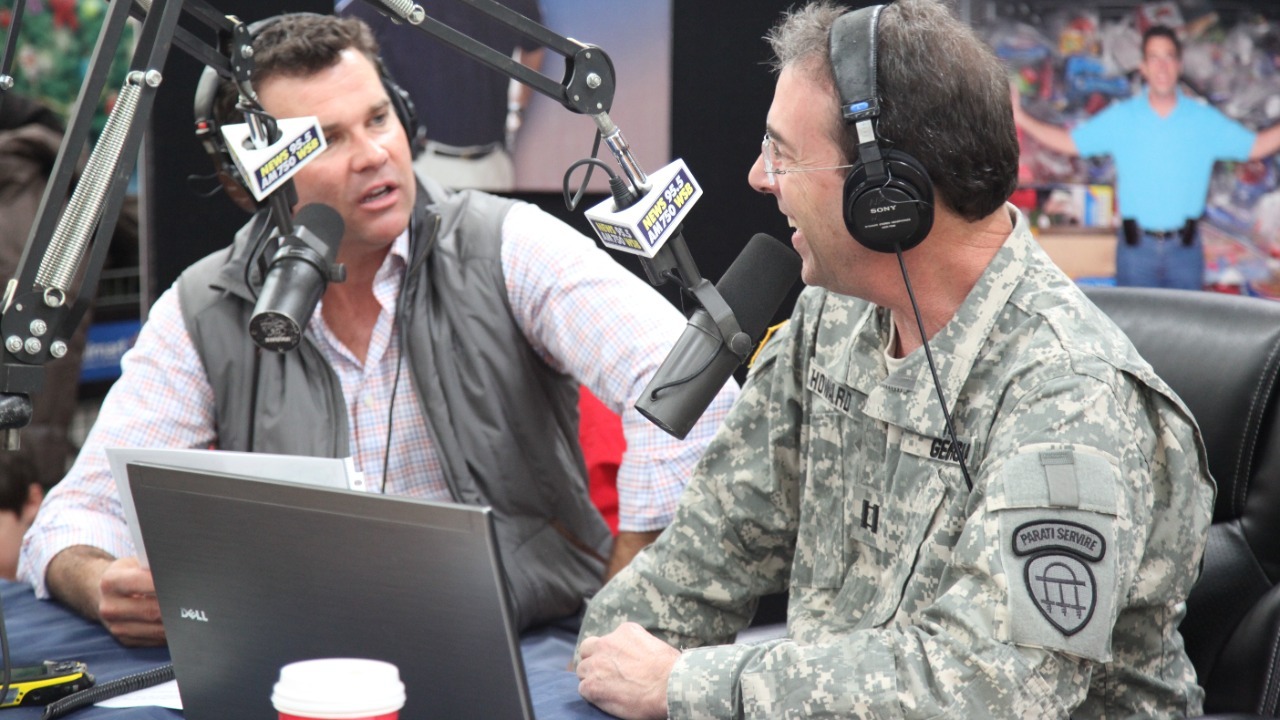
In an era where digital transactions dominate, consumer advocate Clark Howard underscores the importance of keeping cash on hand for emergencies. His recent guidance, shared on September 23, 2025, highlights the need for financial readiness in unpredictable situations. Howard’s advice aims to help individuals avoid common pitfalls during crises by recommending a specific amount of cash to maintain at home.
Understanding Emergency Financial Risks
In times of natural disasters or power outages, digital payment systems can become unreliable, leaving individuals without access to funds. Clark Howard emphasizes that cash remains a critical resource during such emergencies. When electronic systems fail, having cash can ensure that immediate needs, such as fuel or food purchases, are met without delay. Howard’s perspective is informed by real-world examples where ATMs and credit cards have been rendered useless, highlighting the vulnerabilities of relying solely on digital transactions.
For instance, during hurricanes or severe storms, power outages can disrupt ATM networks and credit card processing systems, leaving people unable to access their money. In these scenarios, cash becomes indispensable for purchasing essentials. Howard’s insights remind us that while technology offers convenience, it is not infallible. The role of cash in ensuring access to necessities during emergencies cannot be overstated, making it a vital component of any preparedness plan.
Clark Howard’s Recommended Cash Amount
Clark Howard recommends that households keep enough cash on hand to cover essential expenses for several days. While the exact amount may vary based on individual circumstances, Howard suggests considering factors such as family size and local cost of living. This tailored approach ensures that the cash reserve is sufficient to meet the specific needs of each household during a crisis.
To determine the appropriate amount, Howard advises evaluating daily expenses and calculating a sum that would cover necessities like groceries, fuel, and other critical supplies. Once the amount is determined, it is crucial to store the cash securely at home. Howard recommends using a safe or another secure location to minimize the risk of theft or loss, ensuring that the funds are accessible when needed most.
Building a Broader Emergency Fund
While having cash on hand is essential, Clark Howard advocates for a holistic approach to financial preparedness that integrates cash reserves with other savings strategies. Diversifying emergency funds beyond just cash can provide additional security and flexibility. Accessible bank accounts, for example, can serve as a backup when cash reserves are depleted or when larger expenses arise.
Howard emphasizes the importance of regularly reviewing and updating cash holdings to account for inflation or changing circumstances. By periodically reassessing financial needs and adjusting cash reserves accordingly, individuals can maintain readiness without disrupting their daily finances. This proactive approach ensures that emergency funds remain effective and relevant over time.
Practical Steps for Implementation
To start assembling the recommended cash stash, Clark Howard provides step-by-step advice that simplifies the process. Begin by setting aside small amounts regularly until the desired cash reserve is reached. This gradual approach makes it easier to build a cash reserve without straining the household budget.
Howard also addresses common mistakes, such as keeping too much or too little cash on hand. By following his guidelines, individuals can avoid these pitfalls and maintain a balanced approach to emergency preparedness. Additionally, Howard suggests developing habits or using tools that help maintain readiness, such as setting reminders to review cash reserves or using budgeting apps to track expenses.
By following Clark Howard’s expert advice, individuals can enhance their financial resilience and ensure they are prepared for emergencies. His guidance offers a practical roadmap for maintaining cash reserves and integrating them into a broader financial strategy, providing peace of mind in uncertain times.
For more detailed insights from Clark Howard on emergency preparedness, visit WPXI.
More From TheDailyOverview
- Dave Ramsey says these two simple questions show whether you’re rich or poor
- Retired But Want To Work? Try These 18 Jobs for Seniors That Pay Weekly
- IRS raises capital gains thresholds for 2026 and what’s new
- 12 ways to make $5,000 fast that actually work

Cole Whitaker focuses on the fundamentals of money management, helping readers make smarter decisions around income, spending, saving, and long-term financial stability. His writing emphasizes clarity, discipline, and practical systems that work in real life. At The Daily Overview, Cole breaks down personal finance topics into straightforward guidance readers can apply immediately.

