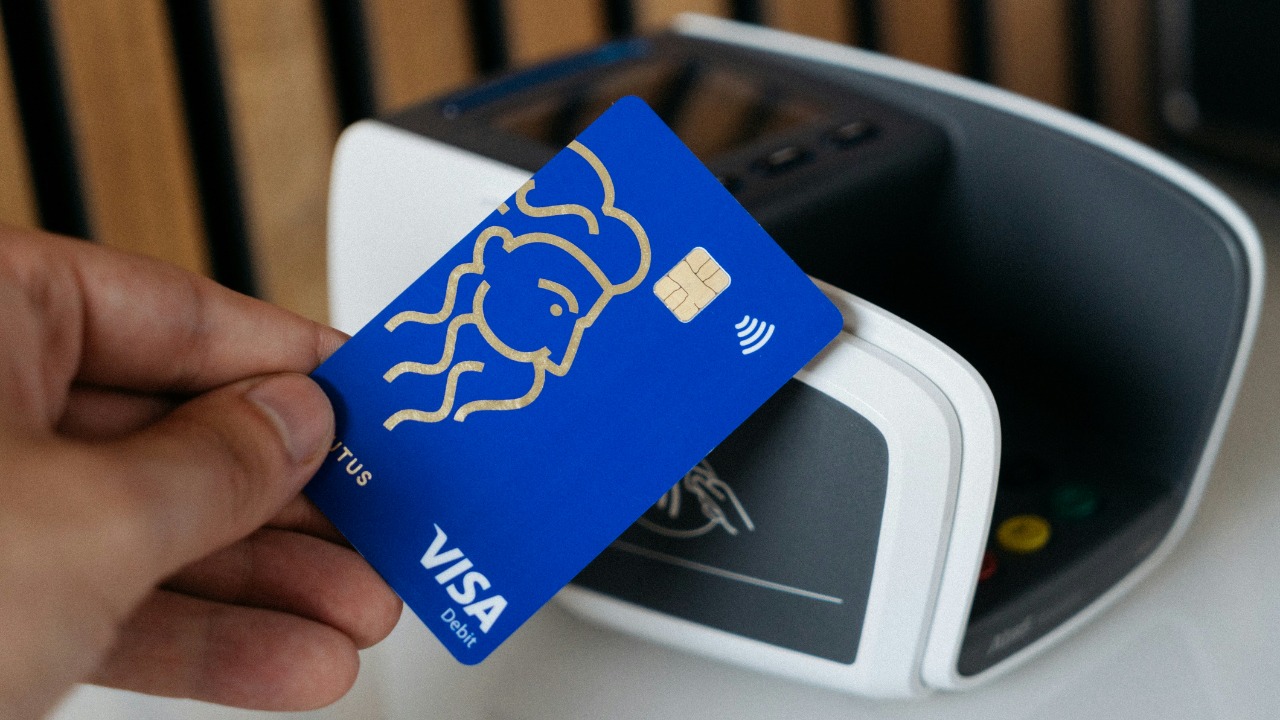
The Coinbase Card has emerged as a significant player in the financial landscape, offering a unique blend of cryptocurrency integration and traditional financial services. As digital currencies become more mainstream, understanding the features and implications of such financial tools is crucial. This article delves into five key aspects of the Coinbase Card, providing insights into its benefits, security considerations, market context, upcoming features, and rewards mechanisms.
1) Overview of the Coinbase Credit Card
The Coinbase Card is a Visa debit card that allows users to spend their cryptocurrency holdings directly from their Coinbase accounts. According to Nerdwallet, this card offers a seamless way to integrate cryptocurrency into everyday spending, bridging the gap between digital and fiat currencies. Users can make purchases anywhere Visa debit cards are accepted, providing flexibility and convenience.
One of the standout features of the Coinbase Card is its ability to offer rewards in cryptocurrency. Users can earn up to 4% back in Bitcoin on every purchase, as highlighted in the Nerdwallet report. This feature not only incentivizes spending but also encourages the accumulation of digital assets, aligning with the growing trend of crypto adoption.
Additionally, the card does not charge annual or foreign transaction fees, making it an attractive option for frequent travelers and those looking to minimize costs. The integration with Coinbase’s platform ensures that users have easy access to their transaction history and account management tools, further enhancing the user experience. As cryptocurrency continues to gain traction, the Coinbase Card represents a forward-thinking approach to financial management.
2) Security Risks Following the Coinbase Hack
Security remains a paramount concern for any financial product, especially those involving cryptocurrency. The Business Insider article highlights the importance of understanding the security measures in place for the Coinbase Card, particularly in light of past security breaches. Earlier this year, Coinbase experienced a significant hack, underscoring the vulnerabilities that can exist in digital financial systems.
To mitigate such risks, Coinbase has implemented robust security protocols, including two-factor authentication and real-time transaction alerts. These measures are designed to protect users from unauthorized access and fraudulent activities. Additionally, users are encouraged to regularly update their security settings and remain vigilant about their account activity.
The hack also prompted Coinbase to enhance its customer support and incident response strategies, ensuring that users receive timely assistance in the event of any security issues. As the digital finance landscape evolves, maintaining strong security practices is essential for building trust and safeguarding assets.
3) Market Context Impacting Coinbase
The financial markets have a significant impact on the performance and adoption of cryptocurrency-related products. According to Investopedia, several market factors influence Coinbase’s position, including regulatory developments, market volatility, and investor sentiment.
Regulatory changes can have profound effects on the cryptocurrency market, affecting everything from transaction fees to the legality of certain digital assets. As governments around the world continue to develop their regulatory frameworks, companies like Coinbase must navigate these changes to remain compliant and competitive.
Market volatility also plays a crucial role in the adoption of cryptocurrency products. Fluctuations in the value of digital currencies can impact user confidence and spending behavior. However, the potential for high returns continues to attract investors and consumers alike, driving interest in products like the Coinbase Card. Understanding these market dynamics is essential for anyone looking to engage with cryptocurrency-based financial tools.
4) Details on the Upcoming Amex Integration
Coinbase is set to expand its offerings with the introduction of an Amex card that features Bitcoin cashback rewards. As reported by Yahoo Finance, this new card will offer up to 4% Bitcoin cashback to its most loyal users, enhancing the value proposition for those deeply invested in the crypto ecosystem.
This partnership with Amex represents a significant step for Coinbase, as it aligns the company with a major player in the traditional financial sector. The integration is expected to provide users with additional benefits, such as access to Amex’s extensive network of merchants and exclusive offers.
The introduction of the Amex card also highlights the growing acceptance of cryptocurrency in mainstream financial services. By offering rewards in Bitcoin, Coinbase is tapping into the increasing demand for digital assets, providing users with a unique opportunity to earn and accumulate cryptocurrency through everyday spending.
5) BTC Cashback Rewards Mechanism
The BTC cashback rewards mechanism is a key feature of the Coinbase Card, offering users a tangible incentive to use the card for their purchases. According to a review on YouTube, the card allows users to earn Bitcoin rewards on every transaction, making it an attractive option for those looking to grow their digital asset portfolio.
This rewards structure is designed to appeal to both crypto enthusiasts and newcomers, providing a straightforward way to earn Bitcoin without the need for complex trading strategies. The ability to earn up to 4% back in Bitcoin on purchases sets the Coinbase Card apart from traditional rewards cards, which typically offer points or cash back.
Furthermore, the rewards are automatically credited to the user’s Coinbase account, simplifying the process of managing and tracking earnings. This seamless integration with the Coinbase platform ensures that users can easily access their rewards and make informed decisions about their cryptocurrency investments. As digital currencies continue to gain popularity, the BTC cashback feature positions the Coinbase Card as a forward-thinking financial tool that aligns with the evolving needs of consumers.
More From TheDailyOverview
- Dave Ramsey says these two simple questions show whether you’re rich or poor
- Retired But Want To Work? Try These 18 Jobs for Seniors That Pay Weekly
- IRS raises capital gains thresholds for 2026 and what’s new
- 12 ways to make $5,000 fast that actually work

Silas Redman writes about the structure of modern banking, financial regulations, and the rules that govern money movement. His work examines how institutions, policies, and compliance frameworks affect individuals and businesses alike. At The Daily Overview, Silas aims to help readers better understand the systems operating behind everyday financial decisions.

