
In the wake of the federal tax overhaul under the Trump administration, Colorado faces a significant budget shortfall, projected at $1.2 billion. This deficit poses a substantial threat to state-funded programs and has sparked a debate on fiscal strategies to mitigate its effects. As the state grapples with these challenges, stakeholders at every level are considering their responses and the potential long-term impacts.
Impact of Trump’s Tax Plan on State Revenues
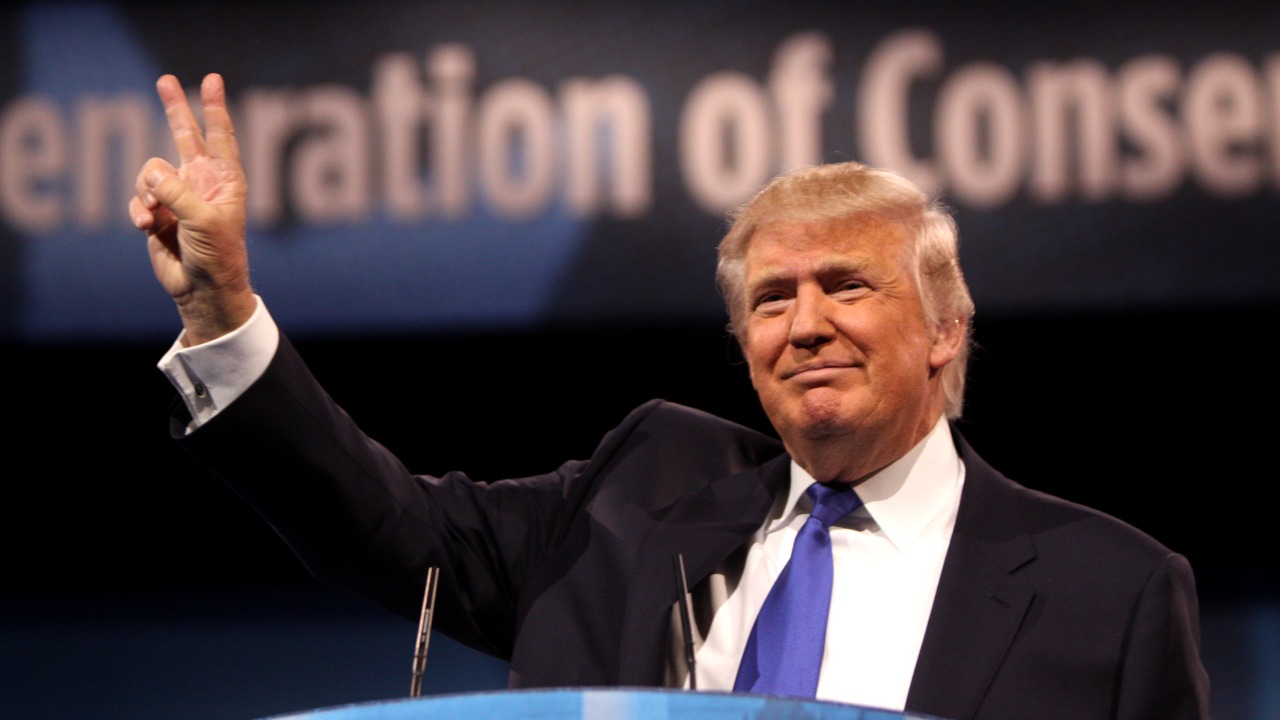
Federal Tax Changes and State Income
The federal tax changes instituted during the Trump administration have had a pronounced impact on state revenues, and Colorado is no exception. The overhaul reduced the federal income tax rate, which in turn decreased the amount of state income tax deductions. This trickle-down effect has led to a reduction in state revenue, as Colorado’s tax code is closely aligned with federal tax structures. As residents pay less in federal income taxes, they also receive fewer deductions on their state taxes, directly impacting Colorado’s revenue streams.
Moreover, the cap on state and local tax (SALT) deductions has further exacerbated this issue. The limitation of these deductions means that Colorado taxpayers cannot deduct as much from their state taxes, leading to increased tax liability at the state level. This has not only affected individual taxpayers but also the state’s ability to collect sufficient revenues to fund its programs and services effectively.
Specific Provisions Affecting Colorado
Several specific elements of the federal tax plan have had a profound impact on Colorado’s budget. One of the most significant changes was the reduction in the corporate tax rate from 35% to 21%. While this move was intended to stimulate economic growth at the national level, it resulted in decreased corporate tax revenues at the state level. Colorado, which relies on corporate taxes as a significant source of revenue, has felt the pinch as businesses see reduced tax obligations.
Additionally, changes to personal deductions and exemptions have strained Colorado’s budget. The doubling of the standard deduction has led to fewer taxpayers itemizing deductions, resulting in lower tax revenues for the state. These factors combined have significantly contributed to Colorado’s projected budget deficit, creating challenges for policymakers who must find ways to bridge the gap.
Colorado’s Budgetary Challenges

Projected Shortfalls and Economic Forecasts
Colorado’s budgetary challenges are becoming increasingly severe as the projected shortfall looms large. According to recent reports, the state is facing a potential deficit of $1.2 billion, a figure that could have dire consequences for state-funded programs. The state’s economic forecasts have painted a grim picture, with the deficit likely to impact critical areas such as education, healthcare, and infrastructure. More details on these projections can be found in the Colorado State Budget Forecast.
Key Areas of Concern
Education is one of the primary areas at risk due to the budget shortfall. With less revenue, the state may struggle to maintain current funding levels for public schools and higher education institutions. This could lead to larger class sizes, reduced programs, and even potential school closures if the deficit is not addressed. Healthcare is another critical area of concern, as reduced funding may impact Medicaid and other state-sponsored health initiatives, potentially affecting the most vulnerable populations.
Infrastructure projects could also face delays or cancellations as the state prioritizes its spending. Roads, bridges, and public transit systems may suffer from a lack of investment, which could hinder economic growth and development in the long term. These challenges highlight the urgent need for effective policy responses to mitigate the impact of the deficit.
Policy Responses and Mitigation Strategies

State Government’s Approach
The Colorado state government is actively exploring measures to address the budget deficit. One approach is to examine current spending and identify areas where cuts can be made without significantly impacting essential services. Governor Jared Polis has already signed a state budget that includes necessary cuts to tackle the fiscal challenges. For more information on these budgetary adjustments, refer to the Summit Daily News.
Potential Reforms and Adjustments
In addition to spending cuts, potential fiscal reforms or adjustments are being considered to balance the budget. These include the possibility of tax increases, such as raising the state income tax or implementing new taxes on specific goods and services. While these measures may be unpopular, they could provide a necessary boost to state revenues and help close the budget gap.
Other potential solutions include exploring public-private partnerships to fund infrastructure projects and seeking federal assistance or grants to support essential programs. These strategies, while complex, could help alleviate some of the financial pressure on the state and ensure the continued provision of vital services to Colorado residents.
The Broader Economic Impact on Colorado

Effect on Local Economies and Communities
The budget deficit is likely to have a wide-ranging impact on local economies and communities across Colorado. Reduced state funding could lead to cutbacks in public services, affecting everything from public safety to recreational facilities. This could result in a lower quality of life for residents and potentially deter businesses from investing in the state. The impact on local economies could be significant, as decreased public spending may lead to reduced consumer confidence and economic instability.
Long-term Economic Outlook
In the long term, the deficit’s impact on Colorado’s economic health and growth prospects could be substantial. If the state cannot effectively address the shortfall, it may face challenges in attracting new businesses and maintaining its reputation as a desirable place to live and work. This could hinder job creation and economic development, ultimately affecting the state’s ability to recover from the financial strain imposed by the federal tax changes. For a deeper analysis, the Denver Post offers additional insights into the potential economic ramifications.
Public and Political Reactions

Stakeholder Perspectives
The budget deficit has elicited strong reactions from key stakeholders across Colorado. Policymakers are divided on the best course of action, with some advocating for spending cuts and others pushing for tax increases. Business leaders are concerned about the potential impact on the state’s economic climate, while community organizations fear the consequences for essential services. These differing perspectives highlight the complexity of the issue and the challenges in finding a consensus on the way forward.
Public Sentiment and Advocacy
Public sentiment is playing a crucial role in shaping policy responses to the budget deficit. Advocacy groups and concerned citizens are actively engaging with policymakers to express their views and influence decision-making. Some groups are advocating for increased taxation on higher-income individuals and corporations, while others are calling for more efficient use of existing resources. The role of public opinion cannot be underestimated, as it will ultimately shape the policy decisions that determine Colorado’s fiscal future. For further reading on state-level tax and economic policies, the Syracuse Law Review provides comprehensive insights.

Julian Harrow specializes in taxation, IRS rules, and compliance strategy. His work helps readers navigate complex tax codes, deadlines, and reporting requirements while identifying opportunities for efficiency and risk reduction. At The Daily Overview, Julian breaks down tax-related topics with precision and clarity, making a traditionally dense subject easier to understand.
