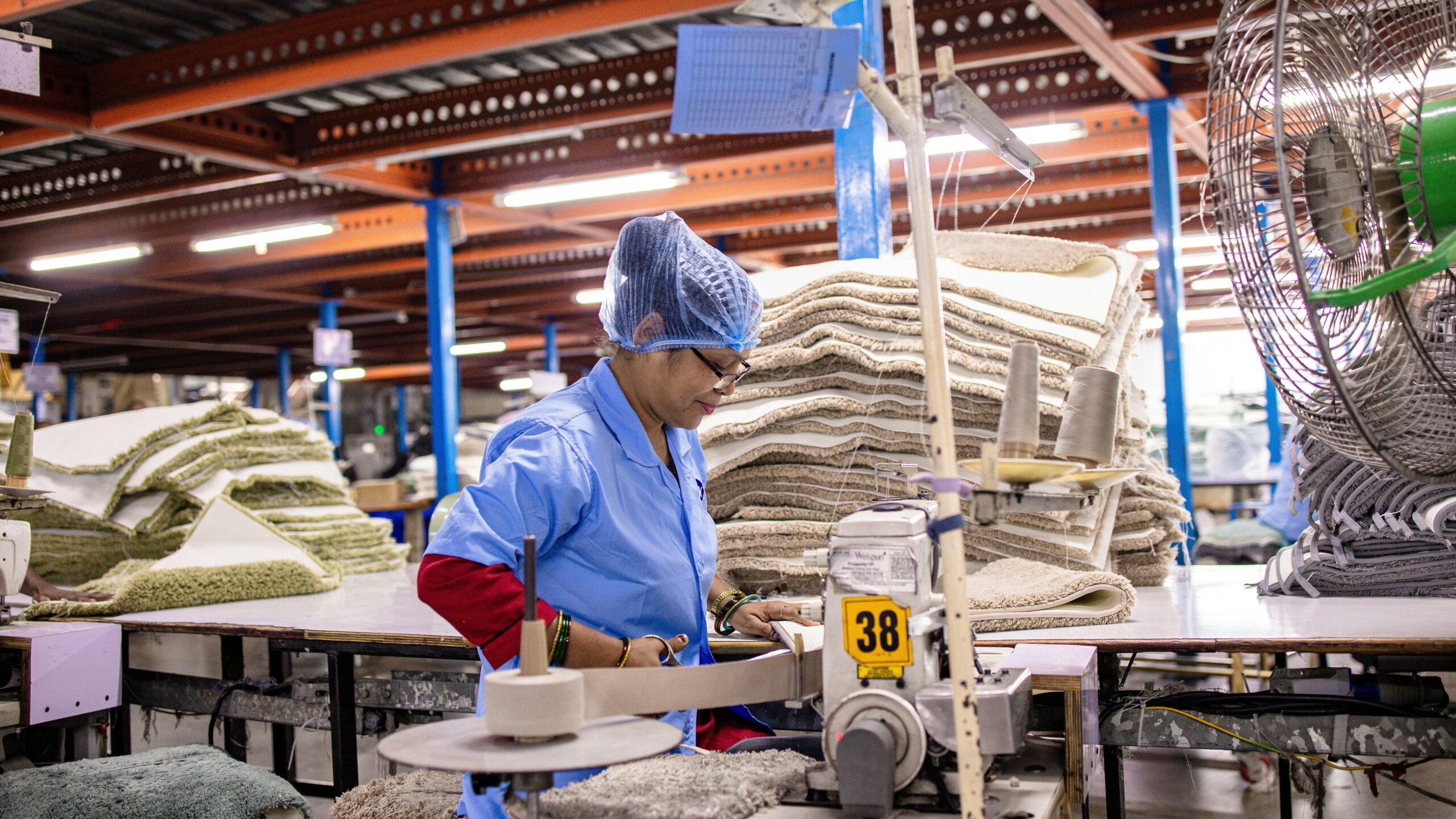
Across store shelves and online listings, familiar products are quietly changing shape. Features vanish, materials get cheaper and packages shrink, even as prices hold steady or creep up. Behind many of these tweaks is a strategy known as tariff engineering, a way for companies to redesign goods so they fall into lower tax categories while keeping customers in the dark about what has been sacrificed.
Instead of raising sticker prices to cover higher import duties, brands are increasingly retooling what they sell and how they present it. The result is a subtle transfer of cost and risk from corporations to households, as consumers pay the same for items that may be less durable, less functional or less generous than the versions they thought they were buying.
How tariff engineering went from legal loophole to everyday tactic
Tariff engineering sounds like a niche legal term, but it has become a central part of how global brands respond to trade policy. The basic idea is simple: alter a product just enough that customs officials classify it in a cheaper category, cutting the duty bill without changing the price tag. Trade lawyers point out that, unlike tax evasion, this is legal as long as the product is honestly described and genuinely altered.
The practice has deep roots. Earlier legal battles, including a landmark case involving Merritt and Welsh in the late nineteenth century, helped establish that importers could redesign goods to fit more favorable tariff lines. That history is now being rediscovered by multinationals, with board advisers warning that tariff engineering has become a boardroom issue as companies seek to reduce exposure to trade shocks, a trend detailed in a Merritt and Welsh focused analysis of governance risk.
Trump’s tariffs and the new wave of product contortions
The latest surge in tariff engineering is directly tied to President Donald Trump’s trade agenda. As new duties hit categories from steel to consumer electronics, companies have scrambled to reclassify goods rather than pass on the full cost. Reporting on how firms are tweaking products to cut Trump’s tariff costs notes that the practice dates back to at least 1881, when the Supreme Court ruled that a sugar importer could legally alter merchandise to move it into lower tariff categories, a precedent that still shapes how Mar era disputes are argued.
Trade policy whiplash has only intensified the incentives. Earlier this year, On Wednesday, Trump granted automakers a one month reprieve from new tariffs, a temporary pause that highlighted how unpredictable levies can be for manufacturers trying to plan model years and supply chains. Analysts noted that the same automakers have used creative workarounds in the past to keep prices down, and the latest reprieve, described in detail in coverage of how On Wednesday, Trump handled auto duties, has only reinforced the appeal of redesigning products instead of renegotiating prices with consumers.
From nurse’s pockets to stripped accessories: what the changes look like
On the factory floor, tariff engineering often looks like small, almost arbitrary design choices that have outsized tax consequences. Columbia Sportswear, for example, added small zippered nurse’s pockets to some of its shirts, a tweak that helped the garments qualify for a lower duty rate and save money on import taxes. That kind of micro adjustment, described in reporting on how Columbia Sportswear and Some apparel makers are coping with tariffs, can be the difference between a profitable line and one that gets discontinued.
Elsewhere, companies are quietly stripping features without telling shoppers. Consumer advocates have flagged cases where electronics ship with fewer ports, toys arrive with fewer accessories and home goods lose once standard extras, all while packaging and price remain nearly identical. One investigation described a Woman in a shoe factory watching as manufacturers removed small components to hit a cheaper tariff bracket, a vivid example of how companies quietly stripping can turn a legal tax strategy into a practical downgrade for buyers.
When legal design tweaks start to look like consumer harm
Legally, the line companies must respect is clear. Customs rules require that any redesign be genuine, not a sham that exists only on paper, and that products be classified according to their actual characteristics. Trade experts describe this as a set of Rules of interpretation that firms must navigate, warning that Companies have to tread a fine line between redesigning their products and fraudulently misrepresenting them. One widely cited example involves footwear that was modified so that a small textile component, added to the outside of the shoe, allowed it to be treated as a different category and pay a 2.5 percent import duty instead of a higher rate, a case that illustrates how Rules of classification can be stretched.
In practice, the consumer rarely sees the trade off spelled out. Analysts describe a form of “sneakflation,” where tariffs are quietly draining consumer wallets and business margins at the same time. Even retail giants like Walmart cannot fully shield shoppers from higher costs, so they lean on suppliers to find savings in design, packaging and materials instead. That pressure, detailed in a breakdown of how Tariffs Are Quietly and how Even Walmart responds, helps explain why a product can look the same on the shelf while performing worse in daily use.
The quiet downgrade: smaller, flimsier, and harder to spot
For shoppers, the most visible side of tariff engineering often shows up as shrinkflation and quality erosion. Packaging that used to include multiple accessories now holds only the bare minimum, a tactic consumer advocates describe as excluding stuff that used to be included. One guide to these tactics notes that One easy way to hide tariff costs is to bundle less with a product, so the price per unit effectively rises without a formal price hike, a pattern that has been documented across electronics, toys and household goods and dissected in advice on Excluding extras and how One subtle change can shift value.
Material substitutions are even harder to detect. Building suppliers, for instance, warn that some imported metal panels now use thinner coatings or cheaper alloys to offset higher tariffs. While you may not be able to tell with the naked eye when brand new, these inferior products will fade and chalk significantly faster and can fail much sooner than higher quality systems, a risk spelled out in technical bulletins that urge contractors to scrutinize specifications, including one from a manufacturer that bluntly states that While cheaper panels may pass initial inspection, they are more likely to deteriorate.
More From TheDailyOverview
This article was researched with the help of AI, with editors refining and creating the final content.

Grant Mercer covers market dynamics, business trends, and the economic forces driving growth across industries. His analysis connects macro movements with real-world implications for investors, entrepreneurs, and professionals. Through his work at The Daily Overview, Grant helps readers understand how markets function and where opportunities may emerge.

