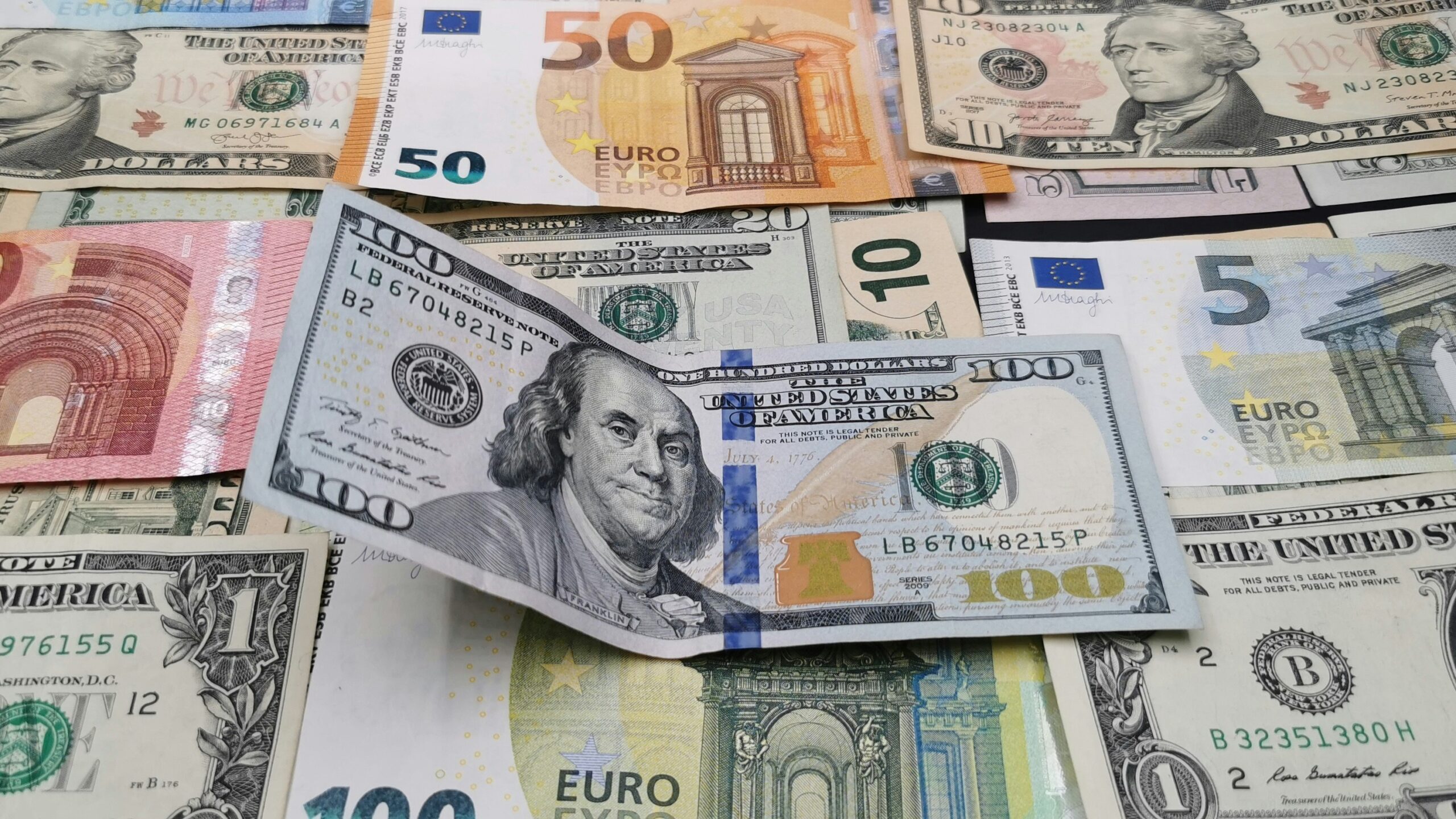
Tariff-driven currency swings have pushed multinational companies into an aggressive hedging posture, with firms locking in foreign exchange protection years into the future and absorbing steep premium costs to limit losses that have already reached tens of millions of dollars. The shift marks one of the most significant changes in corporate risk management behavior since the 1970s, driven not by a single exchange rate move but by persistent uncertainty about how long trade barriers will remain in place. What most coverage misses is that the rush to hedge is itself a cost, one that quietly erodes margins even as it prevents larger blowups, creating a hidden tax on global business that tariff proponents rarely acknowledge.
Tariff Shock Rewires the FX Market
The trigger was clear enough. An executive order issued in April 2025 framed persistent U.S. goods trade deficits as a national emergency and imposed reciprocal tariffs under the International Emergency Economic Powers Act. The policy jolted currency markets almost immediately. According to the Bank for International Settlements’ Triennial Central Bank Survey, daily over-the-counter foreign exchange turnover hit $9.6 trillion in April 2025, a 28% increase compared with April 2022. That surge reflected a flood of forward and options activity as treasurers scrambled to price in scenarios that ranged from temporary disruption to a prolonged trade war, and it reinforced a broader trend toward using derivatives as a first line of defense rather than a tactical tool of last resort.
The dollar itself became a source of pain rather than a safe harbor. A Bloomberg currency index fell 8% in 2025, punishing U.S. exporters and foreign subsidiaries alike. For companies with revenue streams in euros, yen, or Swiss francs, that slide translated directly into weaker reported earnings when converted back into dollars. Some firms, particularly in manufacturing and consumer goods, disclosed currency hits exceeding $25 million from translation and transaction effects, a figure large enough to wipe out an entire quarter of operating income for mid-cap producers. The conventional wisdom that a weaker dollar simply helps American exporters ignores the reality that most large companies hold complex cross-border cost structures where any sharp move in either direction creates mismatches between where they earn money and where they pay their bills.
Longer Hedges, Higher Costs, Fewer Options
The corporate response has been to extend hedge horizons well beyond the typical one-year window. Zimmer Biomet, the medical device maker, offers a concrete example: its quarterly filing shows forward contracts and options with maturities stretching to 2028, covering obligations to purchase U.S. dollars while selling currencies including the Swiss franc, euro, and yen. That three-year horizon signals a treasury team preparing not for a brief disruption but for a structural change in trade policy, effectively locking in exchange rates over the same time frame as major capital projects or product launches. The move mirrors a broader pattern identified by dealers and consultants, who report that large corporates are increasingly treating FX hedging programs as multi-year infrastructure rather than an annual budget exercise.
Those longer tenors come with a price. Option premiums rise with time, and forward points can move sharply when interest-rate differentials shift, meaning that securing protection out to 2027 or 2028 can cost multiples of a standard 12‑month hedge. A MillTechFX survey of treasurers cited by market strategists found that nearly two‑thirds of respondents increased their hedge ratios in response to tariff volatility, even as many acknowledged that the resulting premium outlay would weigh on earnings. In effect, companies are paying an insurance bill that grows every quarter tariffs remain in force, turning political risk into a recurring operating expense that is difficult to reverse without alarming investors or credit rating agencies.
The Hidden Tax on Global Business
For policymakers, the headline story is often the tariff rate itself, but inside corporate finance departments the more immediate concern is the compounding cost of protection. Dealers say that for some investment‑grade issuers, the annual cost of options layered across three to four years now rivals what they spend on traditional property and casualty insurance. A Bloomberg analysis of corporate disclosures notes that this surge in hedging activity is unfolding against a backdrop of thinner FX market liquidity, with bid‑ask spreads wider than in the pre‑tariff era and banks more selective about balance‑sheet usage. That combination means firms are not only paying more in explicit premiums and forward points but also accepting worse execution on large trades, further compressing margins on cross‑border sales.
The result is a kind of shadow tariff layered on top of the official duties. Every dollar spent on hedging to offset tariff‑driven volatility is a dollar that cannot be used for research, hiring, or price cuts to stay competitive. Over time, those costs tend to be passed through to customers in the form of higher prices or reduced service, blunting any intended benefit to domestic industry. Investors, for their part, now scrutinize hedge policies as closely as they do capital spending plans, pressing management teams to justify whether locking in rates for three or four years truly adds value or simply reflects a lack of confidence in the stability of trade rules. As long as tariffs remain a central policy tool and currency markets respond with sharp, politically driven swings, the incentive for companies to over‑insure will persist, quietly taxing global commerce in ways that rarely show up in the public debate over who wins and loses from protectionism.
More From The Daily Overview
*This article was researched with the help of AI, with human editors creating the final content.

Grant Mercer covers market dynamics, business trends, and the economic forces driving growth across industries. His analysis connects macro movements with real-world implications for investors, entrepreneurs, and professionals. Through his work at The Daily Overview, Grant helps readers understand how markets function and where opportunities may emerge.

