Congress has moved to shut down most of the hemp-derived THC economy almost overnight, turning what had become a $28 billion experiment in quasi-legal cannabis into a regulatory dead end. By tying a sweeping new cap on intoxicating compounds to a must-pass funding deal, lawmakers effectively erased what industry advocates say is 95% of the market and left companies, workers, and consumers scrambling for a path forward.
The fight now is not just over hemp gummies and THC seltzers, but over how far Washington will go to unwind a gray market it accidentally created in 2018. The same Farm Bill that opened the door to hemp is now being used as the vehicle to close it, and the fallout is rippling from Capitol Hill to strip-mall vape shops and big-box liquor chains.
From “rope, not dope” to a $28 billion gray market
When Congress carved hemp out of federal drug law, the goal was agricultural, not recreational. The Farm Bill allowed the production of hemp in the United States and no longer included hemp as a controlled substance, treating Hemp as a legal crop rather than contraband. That shift, pitched with the slogan “Rope, not dope,” was meant to boost farmers and fiber producers, not to seed a national market in psychoactive products.
The reality unfolded very differently. A gap in the law around hemp’s chemical derivatives created what one analysis described as a “Farm Bill high,” as manufacturers converted legal hemp into intoxicating cannabinoids and sold them outside traditional marijuana systems. That gap in the law allowed hemp-derived THC to be sold in places that otherwise only handled tobacco products, turning corner smoke shops and convenience stores into de facto dispensaries. By the time Congress turned back to the issue, the hemp-derived THC sector had swelled into a multibillion-dollar gray market layered on top of the legal cannabis industry.
How Congress quietly rewrote the rules on THC
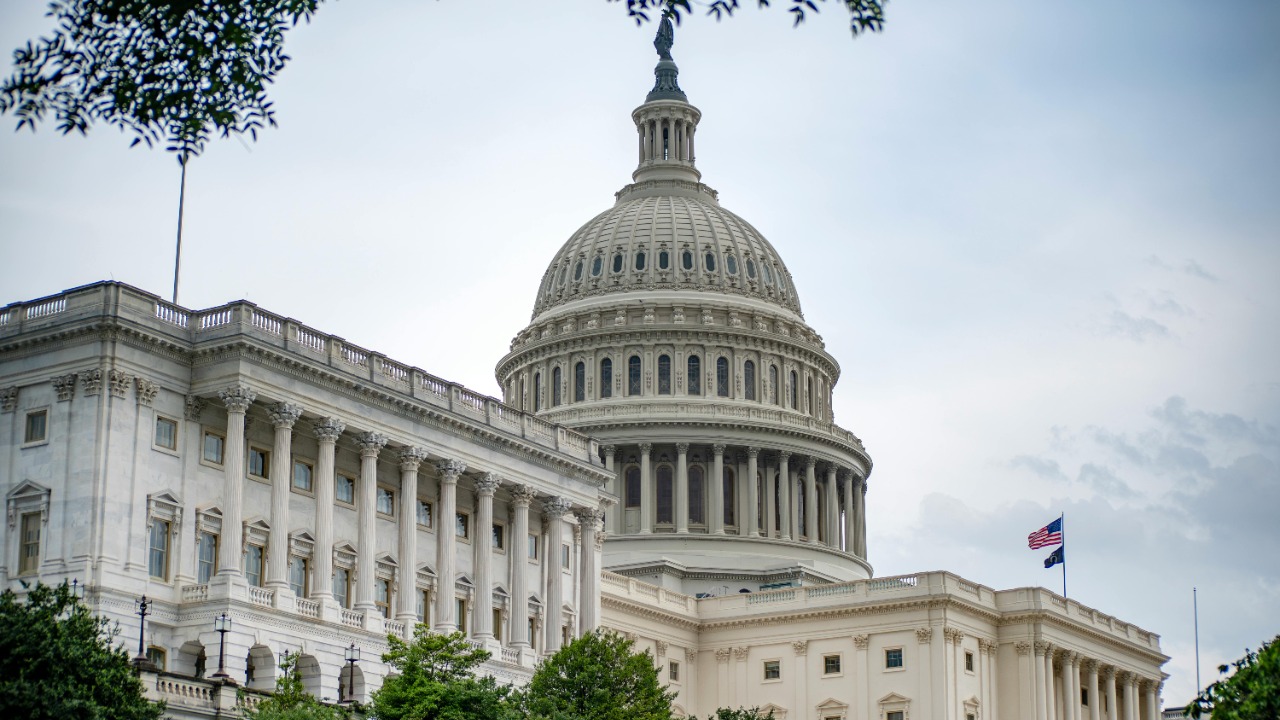
Lawmakers chose not to tackle hemp-derived THC in a standalone debate, but to bury it inside the deal that ended the longest government shutdown in history. In that funding package, Congressional negotiators inserted a provision that outlaws products containing more than 0.4 percent THC on a dry weight basis, a threshold that sweeps in nearly every intoxicating hemp product on the market. The new ban, reported on Nov 13, 2025, arrived with little warning for retailers who had built entire business models around hemp-derived highs.
Industry groups say the scale of the damage is staggering. One legal analysis, citing the US Hemp Roundtable, warned that the change would wipe out 95% of the industry, shuttering small businesses and forcing most consumable hemp products off shelves within a year. Another report on Nov 13, 2025, described how Congressional restrictions threatened a Hemp market worth roughly $28 billion, underscoring how a technical tweak to THC limits can function as a near-total shutdown of a once-booming sector.
The Senate’s crackdown on hemp vapes, drinks, and edibles
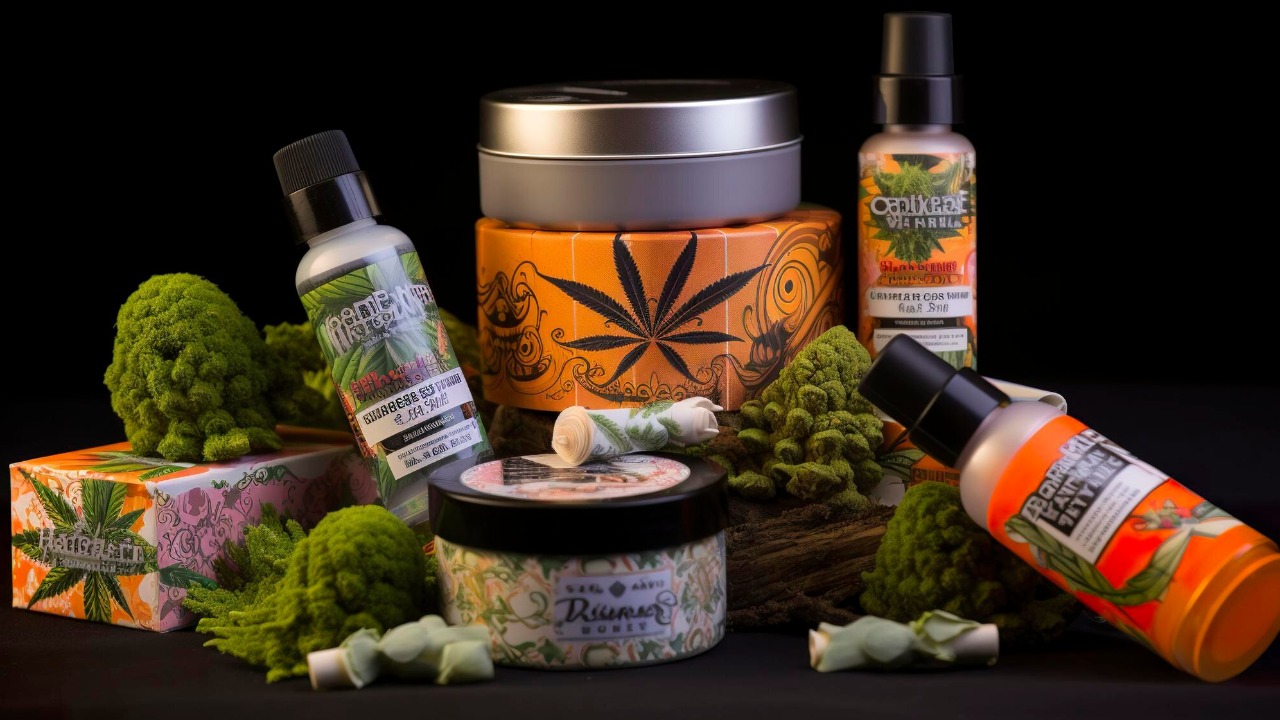
Even before the final funding deal cleared, the Senate had already signaled where federal policy was headed. A bill that passed the chamber on Nov 11, 2025, targeted the specific products that had come to define the hemp-derived THC boom, from disposable vapes to neon-colored gummies. The measure explicitly swept in Hemp products like vapes, drinks, edibles, and pre-rolls containing Delta-8-THC, THC, HHC, THCP, and other minor cannabinoids, treating them as intoxicating drugs rather than benign wellness supplements.
That Senate language gave regulators and prosecutors a clear list of targets and made it far harder for companies to argue that their products fell into a legal gray zone. Instead of relying on the original Farm Bill’s broad definition of hemp, the new framework singles out the very compounds that had driven sales growth. For operators who had leaned heavily into Delta-8-THC gummies or HHC vape cartridges, the message was unmistakable: the federal government now sees these products as controlled intoxicants, not as clever workarounds.
President Trump’s signature and the industry’s 95% problem
The crackdown became law when President Trump signed the funding legislation that contained the hemp language. According to one legal briefing, President Trump signed the bill on Nov 12, a move that effectively bans most consumable hemp-derived THC products by tying legality to that dry weight THC cap. The same document notes that the change was reported on Nov 14, 2025, underscoring how quickly the industry’s legal footing shifted once the president put pen to paper.
For hemp businesses, the numbers are brutal. The Hemp Roundtable has warned that the new rules will eliminate roughly Hemp Roundtable’s estimated 95% of existing products, a figure that aligns with broader estimates of a $28 billion to $30 billion market now facing extinction. On Nov 13, 2025, one national broadcast outlet reported that the Hemp industry was warning that the provision in the government funding bill would kill a $30 billion market, a rare instance where trade groups and outside analysts are aligned on the scale of the hit.
THC drinks and the retail boom now facing a cliff
Nowhere is the impact more visible than in the fast-growing world of THC beverages. In recent coverage on Nov 24, 2025, Speakers at a public event repeatedly noted that the hemp industry is on a countdown to find a way to survive, as a new law threatens to kill the buzz around THC seltzers and canned cocktails that had become staples in mainstream stores. Those Speakers included Democratic lawmakers who oppose the hemp crackdown, highlighting how the issue has scrambled traditional political lines by pitting concerns about youth access and product safety against worries over jobs and small-business survival.
On the ground, the shift is even more concrete. A separate report on Nov 24, 2025, described a display of THC drinks at Total Wine and More in Arlington, Va., where Wilkinson, a customer in his late 40s, said he had been increasingly drawn to hemp-derived beverages as an alternative to alcohol. Retailers like Total Wine and More have used signage and staff guidance to help customers navigate potency and dosage, even as they now face the prospect that many of these products will soon have to be pulled from shelves or moved into tightly regulated marijuana stores.
The 2018 bet on CBD and how it set up today’s backlash
The current crackdown is easier to understand when you look back at how quickly hemp moved from niche crop to wellness fad. Back in 2018, the Farm Bill legalized the production of hemp, paving the way for a wave of CBD-infused supplements, tinctures, and topicals that flooded pharmacies and online marketplaces. As one retail-focused analysis noted on Jun 6, 2024, that change allowed CBD brands to operate under the Back framework of the Farm Bill, giving them a veneer of federal legitimacy even as regulators struggled to keep up.
Once the CBD infrastructure was in place, pivoting to intoxicating cannabinoids was a relatively small step. The same extraction labs, branding agencies, and distribution networks that had built out CBD lines could quickly retool for Delta-8-THC gummies or hemp-derived THC seltzers. By the time policymakers realized that the Farm Bill had inadvertently opened the door to a national intoxicant market, the supply chain was mature, the products were ubiquitous, and the economic stakes were enormous. That is the context in which today’s Congressional clampdown is landing, and why the industry’s warnings about a $28 billion to $30 billion wipeout are resonating far beyond cannabis circles.
What comes next for hemp, cannabis, and consumers
With federal law now sharply limiting hemp-derived THC, the next phase of the fight will play out in statehouses and courtrooms. Some operators are already weighing whether to challenge the new rules in court, arguing that Congress is overreaching by retroactively criminalizing products that had been treated as lawful under the original Farm Bill. Others are racing to reformulate around non-intoxicating cannabinoids or to secure licenses in state-regulated marijuana programs, hoping to migrate customers before the federal hammer fully falls.
For consumers, the shift will be uneven. In states with robust legal cannabis systems, hemp-derived THC products may simply migrate into licensed dispensaries, where they will sit alongside traditional marijuana edibles and beverages. In prohibition states, however, the new federal limits could mean a hard stop for everything from Delta-8 gummies at gas stations to THC seltzers at neighborhood bars. The same Congress that once championed “Rope, not dope” is now trying to stuff a sprawling gray market back into the bottle, and the result is a high-stakes experiment in whether prohibition by technical definition can unwind a $28 billion habit.
More From TheDailyOverview
- Dave Ramsey warns to stop 401(k) contributions
- 11 night jobs you can do from home (not exciting but steady)
- Small U.S. cities ready to boom next
- 19 things boomers should never sell no matter what

Grant Mercer covers market dynamics, business trends, and the economic forces driving growth across industries. His analysis connects macro movements with real-world implications for investors, entrepreneurs, and professionals. Through his work at The Daily Overview, Grant helps readers understand how markets function and where opportunities may emerge.