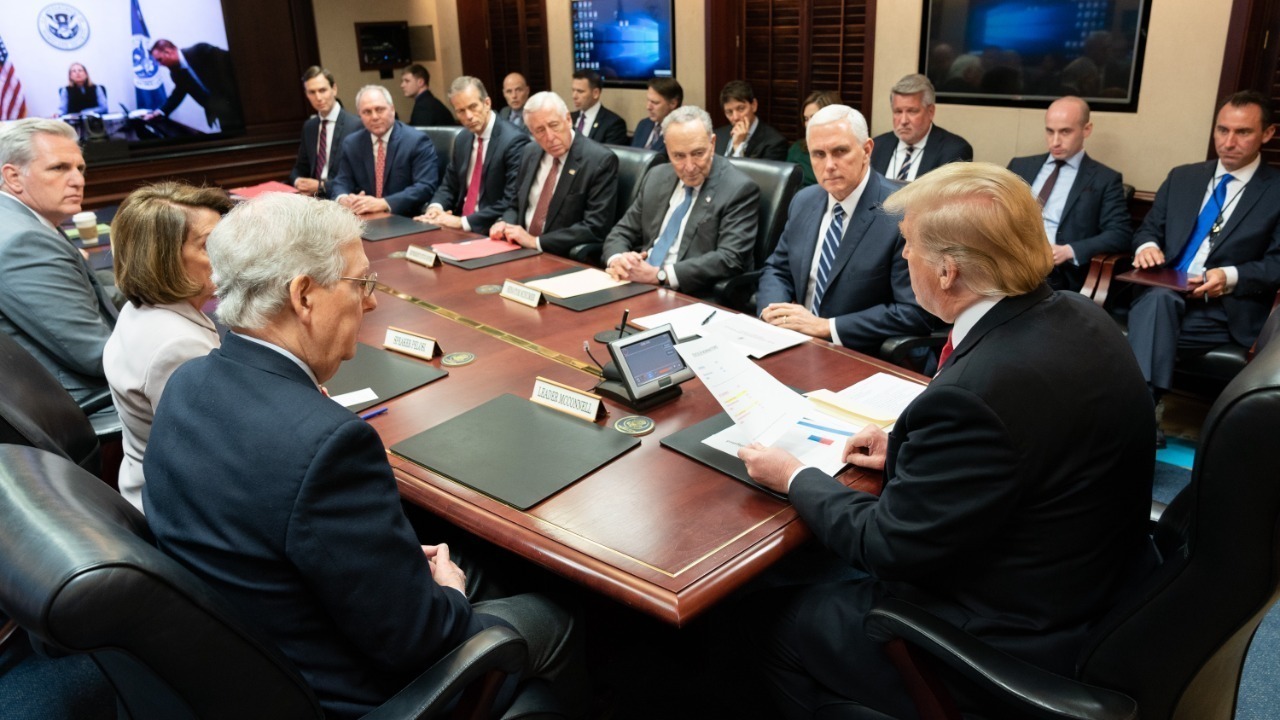
During the 2025 government shutdown, members of the U.S. Congress continued to receive their full salaries, highlighting a stark contrast between lawmakers and other federal employees affected by the funding lapse. This shutdown, which disrupted non-essential federal operations, underscored the financial implications for those in public service, as congressional pay remained uninterrupted. While essential services faced significant challenges, the steady compensation for lawmakers drew public scrutiny and debate.
Understanding Government Shutdowns
A government shutdown occurs when Congress fails to pass funding legislation by the end of the fiscal year. This results in a cessation of non-essential federal operations until new appropriations are approved. The 2025 shutdown was triggered by the expiration of funding, a common catalyst in such scenarios. The legal framework governing these events is the Antideficiency Act, which prohibits federal agencies from incurring obligations or making expenditures without appropriations. Historically, shutdowns have been used as leverage in budget negotiations, often leading to significant political standoffs.
The 2025 shutdown followed a familiar pattern, with Congress unable to reach a consensus on the budget. This impasse led to a halt in funding for various government functions, affecting millions of Americans who rely on federal services. The shutdown’s impact was felt across the nation, with many federal employees facing furloughs and unpaid leave. Despite these challenges, the constitutional provisions ensuring congressional pay remained intact, highlighting a disparity in how funding lapses affect different branches of government.
Congressional Pay During Shutdowns
The U.S. Constitution, specifically Article I, Section 6, guarantees that members of Congress receive a fixed compensation that cannot be diminished during their term. This provision ensures that lawmakers’ salaries are unaffected by government shutdowns, including the 2025 event. During this period, congressional pay continued without deductions, even as other federal employees faced financial uncertainty due to furloughs or unpaid leave.
This pay structure stands in stark contrast to the experiences of many federal workers who are often left without pay during shutdowns. While Congress members earned their full salaries, other government employees had to navigate the challenges of delayed paychecks and financial instability. This disparity has been a point of contention, with critics arguing that lawmakers should share in the financial sacrifices experienced by other public servants during funding lapses.
Financial Breakdown for the Record-Long Shutdown
During the 2025 shutdown, members of the House of Representatives, each earning an annual salary of $174,000, continued to receive their pay without interruption. This amounted to significant earnings over the shutdown’s duration. Similarly, Senate members, who also earn $174,000 annually, saw their salaries accumulate throughout the extended stoppage. These figures underscore the financial security enjoyed by lawmakers, even as other federal employees faced economic hardships.
Leadership positions within Congress receive higher salaries, which were also preserved during the shutdown. The Speaker of the House, for example, earns $223,500 annually, while the Senate President pro tempore receives $193,400. These leadership exceptions highlight the financial benefits afforded to those in top congressional roles, further emphasizing the disparity between lawmakers and other federal workers during funding lapses.
Impacts on Essential Public Services
The 2025 government shutdown had significant impacts on essential public services, including Medicare, FEMA, and air traffic control. Medicare payments and beneficiary services faced disruptions, with delayed reimbursements for healthcare providers. This created challenges for both providers and beneficiaries who rely on timely payments for medical services. The shutdown’s impact on healthcare services highlighted the broader implications of funding lapses on critical public health infrastructure.
FEMA also faced operational challenges during the shutdown, with disaster relief processing paused and emergency response capabilities reduced. This affected communities across the country that rely on FEMA’s support during natural disasters and other emergencies. The reduction in FEMA’s operational capacity underscored the risks associated with government shutdowns, particularly in times of crisis.
Air traffic control services were not immune to the shutdown’s effects, with potential staff furloughs posing risks to aviation safety. The possibility of reduced staffing levels raised concerns about the safety and efficiency of air travel during the funding lapse. These disruptions to essential services highlighted the far-reaching consequences of government shutdowns on public safety and infrastructure.
Broader Implications and Public Reaction
The economic cost of the 2025 shutdown was estimated in billions, reflecting the widespread impact of halted services on the U.S. economy. The financial strain on federal workers and the disruption of essential services drew bipartisan criticism of lawmakers’ uninterrupted pay. Over 800,000 federal workers were affected by furloughs, leading to public outcry over the perceived inequity in how the shutdown’s financial burdens were distributed.
In response to public criticism, some lawmakers proposed reforms, such as voluntary pay deferrals during shutdowns. However, these proposals saw limited adoption, with few members choosing to forgo their salaries. The debate over congressional pay during shutdowns continues to be a contentious issue, with calls for greater accountability and shared sacrifice among lawmakers during funding lapses.
The 2025 government shutdown highlighted the need for reforms to address the disparities in how funding lapses affect different branches of government. As the nation grapples with the economic and social impacts of such events, the conversation around congressional pay and accountability remains a critical topic of discussion.
More From TheDailyOverview
- Dave Ramsey warns to stop 401(k) contributions
- 11 night jobs you can do from home (not exciting but steady)
- Small U.S. cities ready to boom next
- 19 things boomers should never sell no matter what

Grant Mercer covers market dynamics, business trends, and the economic forces driving growth across industries. His analysis connects macro movements with real-world implications for investors, entrepreneurs, and professionals. Through his work at The Daily Overview, Grant helps readers understand how markets function and where opportunities may emerge.

