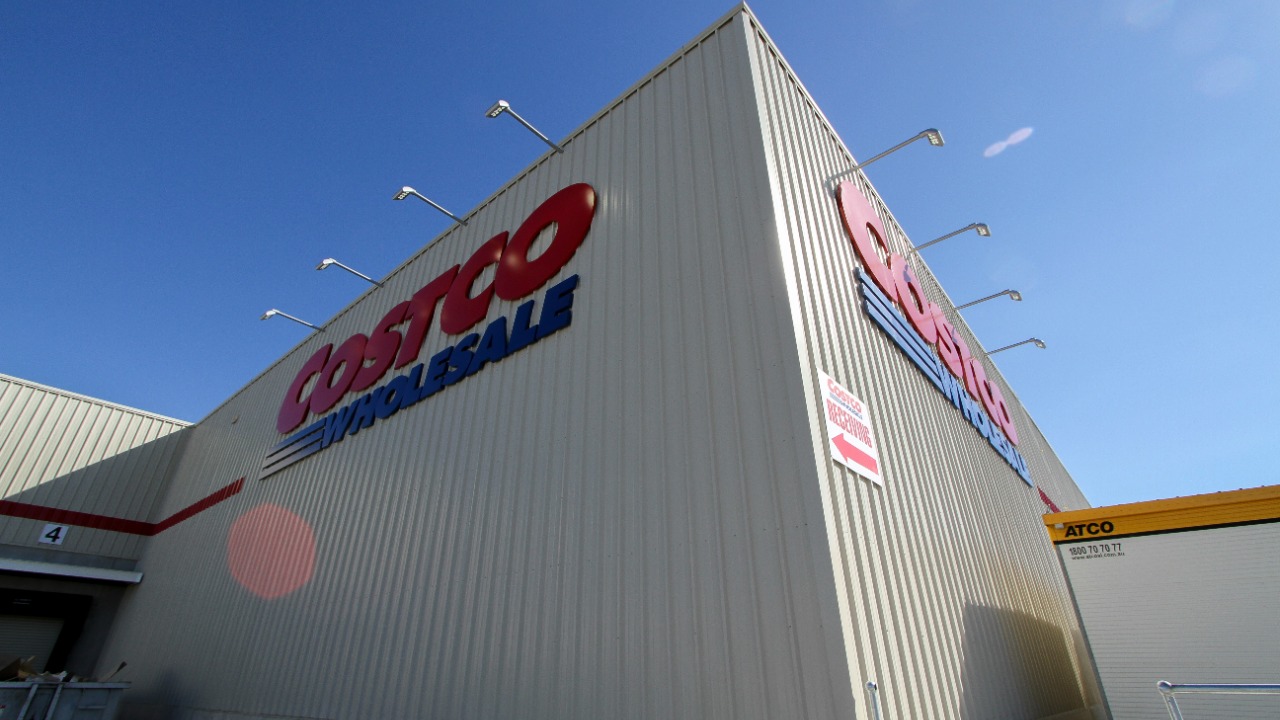
Costco is quietly reshaping what it feels like to get through the register, slipping in two structural checkout tweaks designed to move members out of the building with less friction and fewer bottlenecks. Instead of leaning on traditional self-checkout, the warehouse chain is betting on a mix of pre-scanning technology and a revamped staffed-lane setup that keeps its bulk model intact while shaving minutes off the wait.
Those changes are still limited to select locations, but they reveal how seriously the company is treating the pain point of long lines and overloaded cashiers. I see them as a blueprint for how Costco can modernize without losing the controlled, membership-first environment that has long defined its sales floor.
The end of the self-checkout experiment
Costco has never been shy about testing new ideas, but its flirtation with self-checkout turned into a cautionary tale about what happens when automation collides with a membership club built on trust. After experimenting with self-service lanes, the company has largely walked that back, choosing instead to double down on staffed registers that keep a closer eye on high-value carts and membership cards. Reporting on the shift notes that Costco tested self-checkout and has now abandoned most of that experiment, a move that reflects concerns about misuse and the difficulty of monitoring overflowing carts without a human in the loop.
In place of those kiosks, Costco has introduced a new staffed checkout structure that is meant to feel faster without sacrificing control. The company has added a dedicated position at the front of the line, so one employee focuses on scanning while another handles payment and membership verification, effectively splitting the work that used to fall on a single cashier. That change, described as a new checkout configuration that Costco has added after its self-checkout pullback, is part of a broader strategy of making “selected investments in technology” rather than chasing every automation trend, a balance that is detailed in coverage of how Costco is rethinking its front end.
Secret change No. 1: Pre-scan checkout in Arizona
The most striking new move is a pre-scan system that Costco is piloting in Arizona, a test that quietly rewires the entire rhythm of checkout. Instead of waiting until a cart reaches the conveyor, employees begin scanning items earlier in the process so that, by the time a member reaches the cashier, much of the work is already done. The company is explicitly testing this pre-scan checkout in Arizona with the goal of reducing customer wait times, a trial that has been described as a way for Costco to help shoppers complete their purchase more quickly without asking them to change their own behavior.
In practice, the system means that carts are effectively “pre-loaded” into the register before they hit the traditional lane, which turns the final interaction into a quick confirmation and payment step. Coverage of the Arizona rollout explains that by the time shoppers reach the cashier, the items have already been scanned, allowing them to complete their purchase more quickly and move on to the receipt check at the exit. That description of how items are scanned ahead of time and how the process has been in place for about two months at the test locations comes from detailed reporting on how By the time customers arrive at the register, most of the transaction is already staged.
How the Arizona pilot actually works
What makes the Arizona test stand out is that it keeps the familiar Costco choreography while quietly shifting the heavy lifting to earlier in the line. Employees stationed before the main register begin scanning barcodes as carts queue up, so the member still pushes the same cart through the same lane, but the register already “knows” what is inside. Reporting on the pilot notes that Costco is testing this new pre-scan checkout system in Arizona specifically to reduce customer wait times, and that the goal is to let shoppers complete their purchase more quickly once they reach the cashier, rather than forcing them into a separate self-scan area or app-only lane.
The result is a hybrid between traditional checkout and the kind of mobile-driven experiences that have become common in other retailers. Instead of asking members to do the scanning themselves, Costco is using its own staff to front-load the process, which preserves the company’s tight control over inventory and membership validation. Coverage of the Arizona locations explains that by the time shoppers reach the cashier, the items have already been scanned, which means the final step is essentially a payment confirmation and any last-minute adjustments. That description of how the technology has been in place for about two months and how it is speeding up checkout in Arizona is laid out in detail in reporting on how Costco is making checkout time faster in Arizona.
Secret change No. 2: App-based scan and go in 27 stores
Running alongside the Arizona pre-scan test is a more overtly digital experiment that puts the scanning power directly in members’ hands. In a group of 27 warehouses, Members open the Costco app, scan each item’s barcode as they place it in the cart, and then pay within the app when they are done shopping. Instead of lining up at a traditional register, they head to a designated area where staff verify the digital receipt and the contents of the cart, a process that blends mobile convenience with the familiar exit-check routine.
This app-based system is not just a front-end gimmick, it is wired into Costco’s loyalty database and inventory engine so that every scan updates both the member’s account and the store’s stock records in real time. Reporting on the pilot explains that Members open the Costco app, scan each item as they shop, and then pay in the app, with the technology tied directly into the company’s membership and inventory systems. That description of how the app connects to the loyalty database and inventory engine, and how it is being unveiled in 27 stores, comes from a detailed look at the technology being rolled out to Members who are willing to scan as they go.
Why these “quiet” changes matter for Costco’s future
Both the Arizona pre-scan lanes and the 27-store app pilot show Costco trying to solve the same core problem from two angles, how to move high-volume carts through the front end without losing the human oversight that protects margins. By abandoning most of its self-checkout experiment and instead adding a new staffed checkout configuration, the company is signaling that it prefers controlled, incremental upgrades over a wholesale shift to unattended kiosks. Reporting on those decisions notes that Costco tested self-checkout and has largely abandoned that experiment, and that Now it has added a new checkout structure that relies on selected investments in technology rather than a full automation push.
At the same time, Costco is using its digital tools to deepen the relationship with members who are ready to adopt new habits. The app-based scan and go system ties directly into the same membership infrastructure that powers the company’s website and digital coupons, while the pre-scan lanes in Arizona show how technology can be layered into the existing store layout without forcing customers to change how they shop. The company’s broader digital ecosystem, from its online ordering to its membership management, is anchored on its main site at Costco, and these checkout experiments look like the next logical extension of that strategy, a way to make the warehouse run faster without losing the tight operational grip that has long defined the brand.
More From The Daily Overview

Cole Whitaker focuses on the fundamentals of money management, helping readers make smarter decisions around income, spending, saving, and long-term financial stability. His writing emphasizes clarity, discipline, and practical systems that work in real life. At The Daily Overview, Cole breaks down personal finance topics into straightforward guidance readers can apply immediately.

