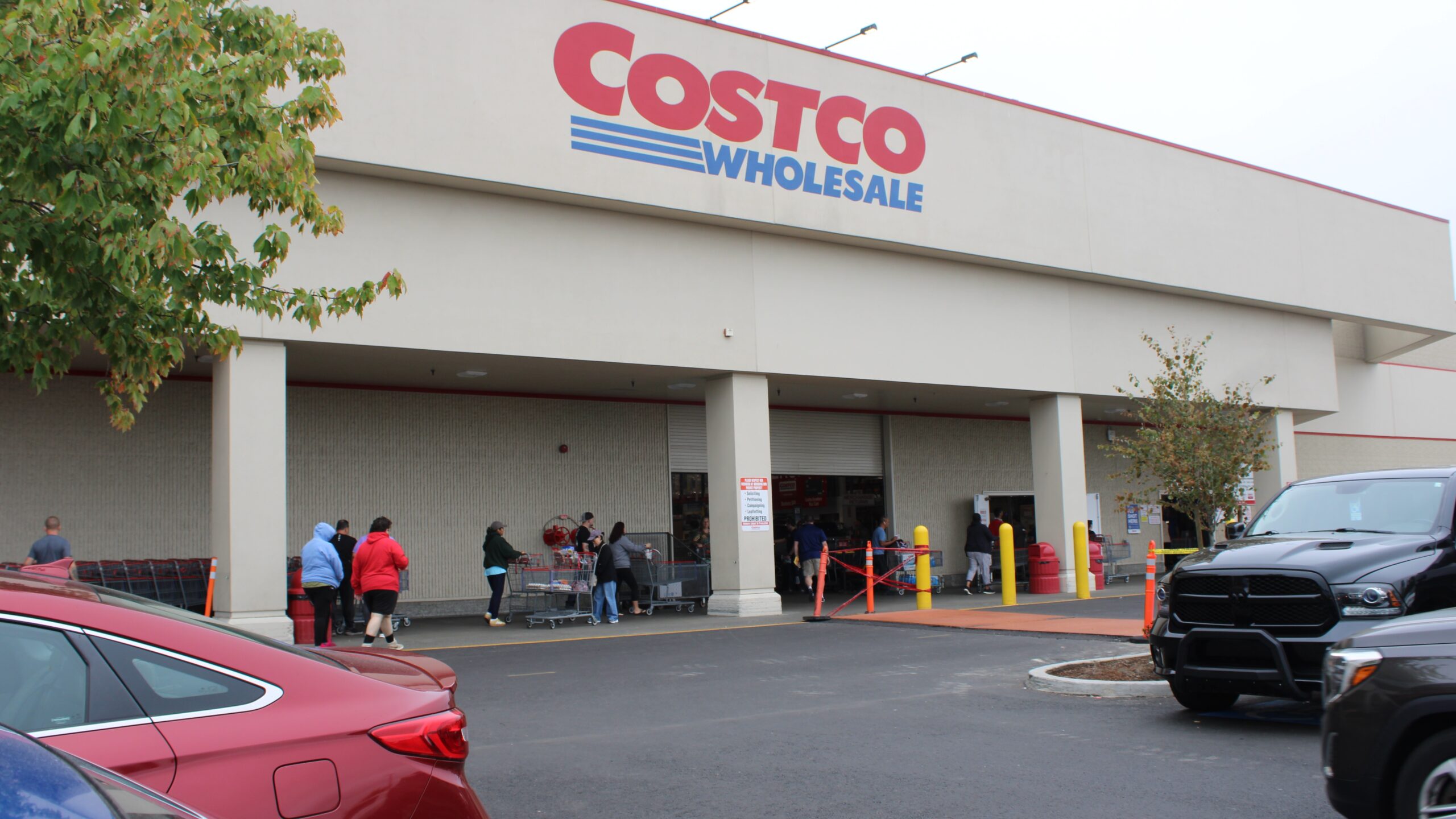
Retailers are closing stores and locking up merchandise as shoplifting and organized retail crime eat into profits. Costco is moving in a different direction, quietly tightening its membership checks and entry rules while keeping its warehouses busy and its aisles open. The result is a low-key anti-theft system that is thriving even as rivals like Walmart and Target grapple with closures and more visible security crackdowns.
Rather than relying on metal detectors or rows of plexiglass cases, Costco leans on something that looks almost mundane to shoppers: the membership card. By turning that card into a powerful gatekeeping and tracking tool, the chain has built a deterrent that is hard for thieves to game and relatively easy for loyal customers to accept.
Retail crime shuts rivals while Costco keeps humming
Across the industry, theft has become a central reason for store closures and shrinking profits. Companies including Target, Walgreens, Whole Foods, and Nordstrom have publicly tied some shutdowns and weaker performance to retail crime, a sign that shrink is no longer a background cost but a strategic threat to big-box and specialty chains alike. As rampant shoplifting across the United States has forced store closures and inflicted billions of dollars in losses on retailers, the pressure to find new security tactics has intensified for Walmart and Target as well as for smaller regional players that lack their scale.
Costco faces the same national environment yet tells a very different story about theft inside its warehouses. The company has long said that shoplifting is a much smaller problem for them than for competitors, and that message has been consistent from public commentary to earnings calls. While peers experiment with locking up everyday items or trimming store hours, Costco has focused on keeping its cavernous stores fully stocked and busy, signaling confidence that its membership structure and internal controls can handle risks that are pushing others to retreat. That contrast has turned the chain into an outlier in a sector where security decisions increasingly shape which neighborhoods keep a full-service supermarket or discount store.
The membership gate that quietly screens out thieves
The core of Costco’s strategy is simple: only paying members can shop. Every visit starts with a card check at the entrance and ends with a receipt review at the exit, a routine that has been part of the chain’s identity for decades. That members-only framework means the retailer collects personal information on shoppers, which creates a trail that makes stolen goods less attractive for online reselling and makes it harder for repeat thieves to stay anonymous. High wages and a store layout that funnels customers through limited entry and exit points add another layer of deterrence, since more engaged employees and clear sightlines make it riskier to slip unpaid items out the door.
In recent months, Costco has tightened this gate even further by requiring shoppers to scan their membership cards at or near the entrance, a change that effectively turns the front door into a digital checkpoint. The company first began testing membership scanners early last year, then expanded the policy so that shoppers now face a stricter rule that has sparked debate among members who bring family or friends to shop. Executives have framed the scanners as a way to keep non members out of self checkout, protect the value of the membership, and help contain shrink without resorting to more intrusive security theater. The approach aims to balance a bit of friction at the door with a relatively relaxed experience once customers are inside.
Self checkout, receipt checks, and a culture of accountability
Costco’s handling of self checkout shows how the retailer uses membership to shape behavior instead of simply adding guards. While some chains rolled out self checkout broadly and then pulled back after theft spiked, Costco has limited the lanes and tied them closely to the membership card. The company has said that the fact customers have to pay in order to shop potentially shields them from the worst shoplifting problems that hit Walmart and Target, because anyone abusing self checkout risks losing access to the warehouse entirely. When Costco made a major change to stop theft at self checkout, the focus was on making sure only members used the lanes and that staff could monitor transactions more closely rather than on installing dramatic new hardware.
The exit receipt check is the other quiet pillar of this system. Costco states on its website that it is standard practice at all warehouse locations to verify purchase receipts when customers leave, a procedure the company says helps ensure that shoppers are charged properly for their purchases and that all transactions are accurate. That check gives employees one more chance to spot obvious unpaid items, but it also sends a constant signal that inventory is being watched. Combined with personal data from memberships, the process reinforces a culture where customers expect accountability at the door and thieves cannot count on slipping through unnoticed.
Membership fees fund security without locking up the aisles
Costco’s financial structure helps explain why it can invest in subtle security rather than more visible clamps on shoppers. The company itself highlights that its business model relies heavily on membership fees, which provide a steady stream of income on top of merchandise margins. In fiscal 2024, Costco generated about $249.6 billion in net sales, and membership revenue accounted for roughly two thirds of net income according to one summary of its financials. Those membership fees allow Costco to operate on thin margins while keeping prices low and still investing in security and staffing in ways that do not require locking up basic goods behind plastic doors.
That model has supported strong performance even as theft pressures mount across retail. Reporting on the company notes that those membership fees help fund security measures while Costco continues to post solid sales growth, including a cited sales growth of 7.1 percent in a recent period. Costco has long said that shoplifting is not a big problem for the chain, and that message has been backed up by comments from its finance leaders who describe shrinkage as relatively stable. The ability to plow recurring membership income into wages, store design, and technology, instead of into emergency theft countermeasures, gives the company a structural advantage over rivals that rely more heavily on product markups alone.
Customer friction, loyalty, and what rivals can copy
None of this is entirely painless for shoppers. The stricter entry rule that requires scanning a membership card at the door has sparked a divide among customers, with some arguing that it slows down entry and makes it harder for households that share cards informally. Social media posts and local coverage have highlighted complaints from members who feel singled out or who worry that older shoppers will struggle with the scanners. Yet Costco members are known for being very loyal, and many appear willing to accept a few extra seconds at the entrance in exchange for lower prices, a perception of safety, and the sense that non members are not freeloading on the system.
For competitors, the question is how much of Costco’s model can be copied without turning every supermarket into a club store. Chains like Target, Walgreens, Whole Foods, Nordstrom, Walmart, and others that have cited retail crime as a factor in store decisions cannot simply flip a switch and start charging membership fees at the door. Some elements are transferable, though, such as tightening control over self checkout, training staff to monitor exits more actively, and designing stores so that entrances and exits are easier to supervise. Costco’s experience suggests that when customers understand why a security measure exists and feel they get value in return, they are more likely to tolerate small inconveniences that make theft less attractive.
More From The Daily Overview
*This article was researched with the help of AI, with human editors creating the final content.

Grant Mercer covers market dynamics, business trends, and the economic forces driving growth across industries. His analysis connects macro movements with real-world implications for investors, entrepreneurs, and professionals. Through his work at The Daily Overview, Grant helps readers understand how markets function and where opportunities may emerge.