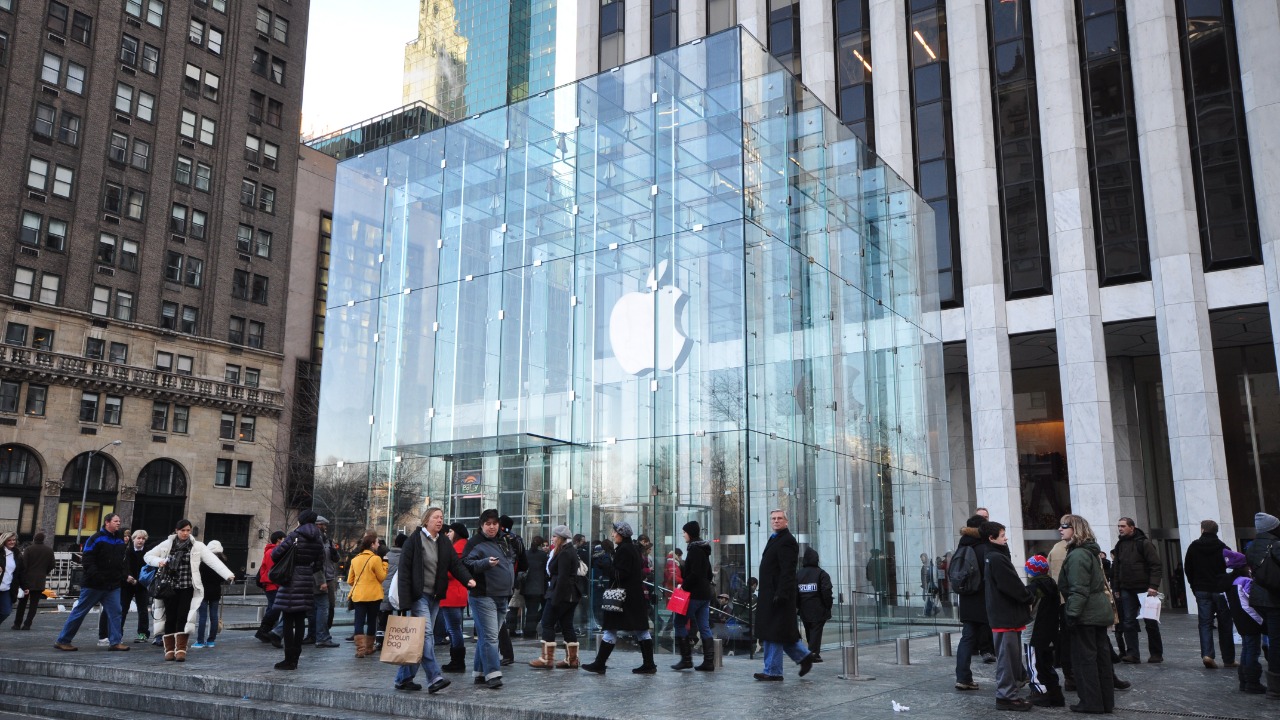
Apple Inc., known for its innovation and cutting-edge technology, has amassed substantial cash reserves over the years. With the U.S. facing deteriorating infrastructure, particularly in its road systems, the question arises: Could Apple’s financial power be the solution to fixing America’s roads? This question explores the potential and limitations of using Apple’s cash reserves for infrastructure improvement.
Apple’s Cash Reserves: A Financial Powerhouse
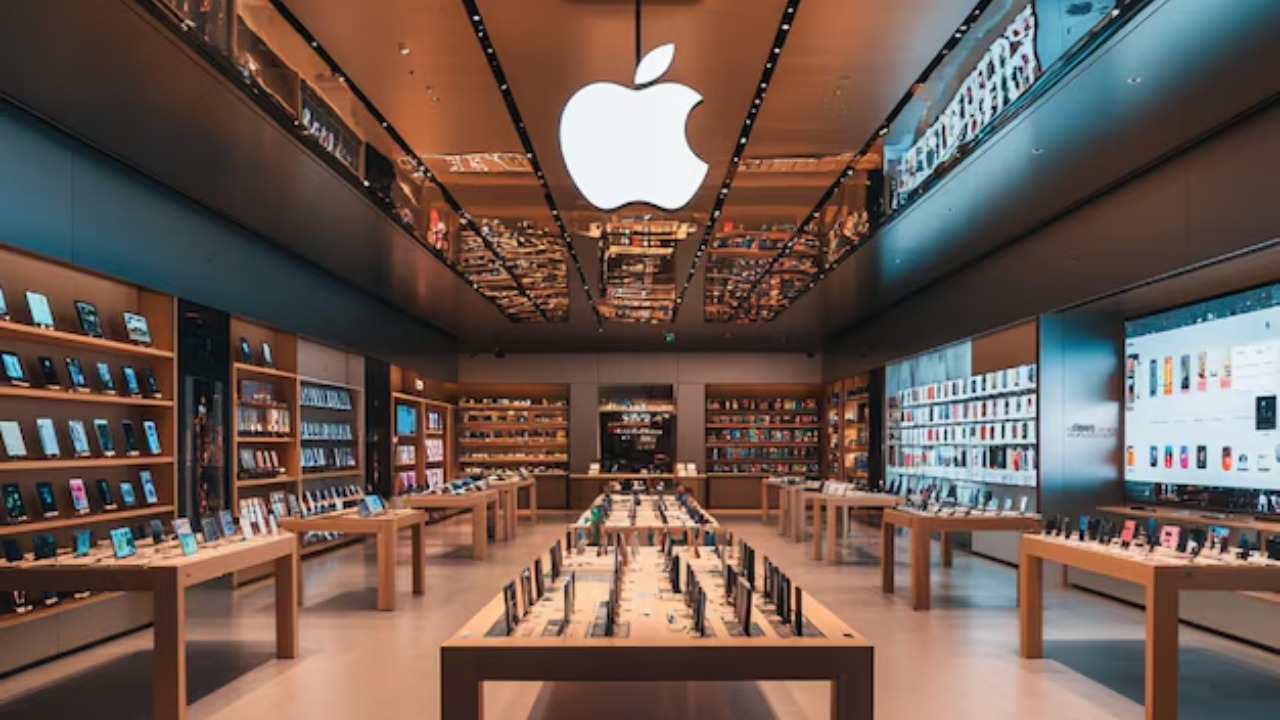
Apple’s financial status is nothing short of impressive. As of recent reports, Apple’s cash reserves are substantial, positioning it as a financial powerhouse among tech giants. According to a Reuters analysis, Apple’s balance sheet remains robust, with cash holdings that surpass many national economies. Comparatively, while other tech giants like Microsoft and Google also boast significant reserves, Apple’s strategy of maintaining a large cash pile sets it apart.
Historically, Apple has been strategic in its accumulation and utilization of these reserves. The company has often been conservative, opting to save rather than spend aggressively. A detailed examination by Vox suggests that Apple’s past financial strategies focused on maintaining liquidity and flexibility, allowing it to weather economic downturns and capitalize on strategic opportunities. This cautious approach has kept Apple in a strong financial position, though it has sparked debates about whether more aggressive investments could yield greater returns.
The State of U.S. Infrastructure

The current condition of U.S. roads and highways is a growing concern. Infrastructure reports indicate that a significant portion of the nation’s roads are in poor condition, leading to economic and social repercussions. The American Society of Civil Engineers (ASCE) regularly publishes reports highlighting the dire state of infrastructure, which affects everything from commute times to vehicle repair costs. The economic impacts are profound, with deteriorating roads costing drivers billions annually in repairs and lost time.
Despite the pressing need for improvement, government funding for infrastructure remains a challenge. Federal and state budgets often fall short of what is needed for comprehensive road maintenance and upgrades. Securing adequate funding is a complex process fraught with political and bureaucratic hurdles. As such, innovative solutions and additional funding sources are being sought to address the infrastructure gap effectively.
Potential Impact of Apple’s Investment in Infrastructure
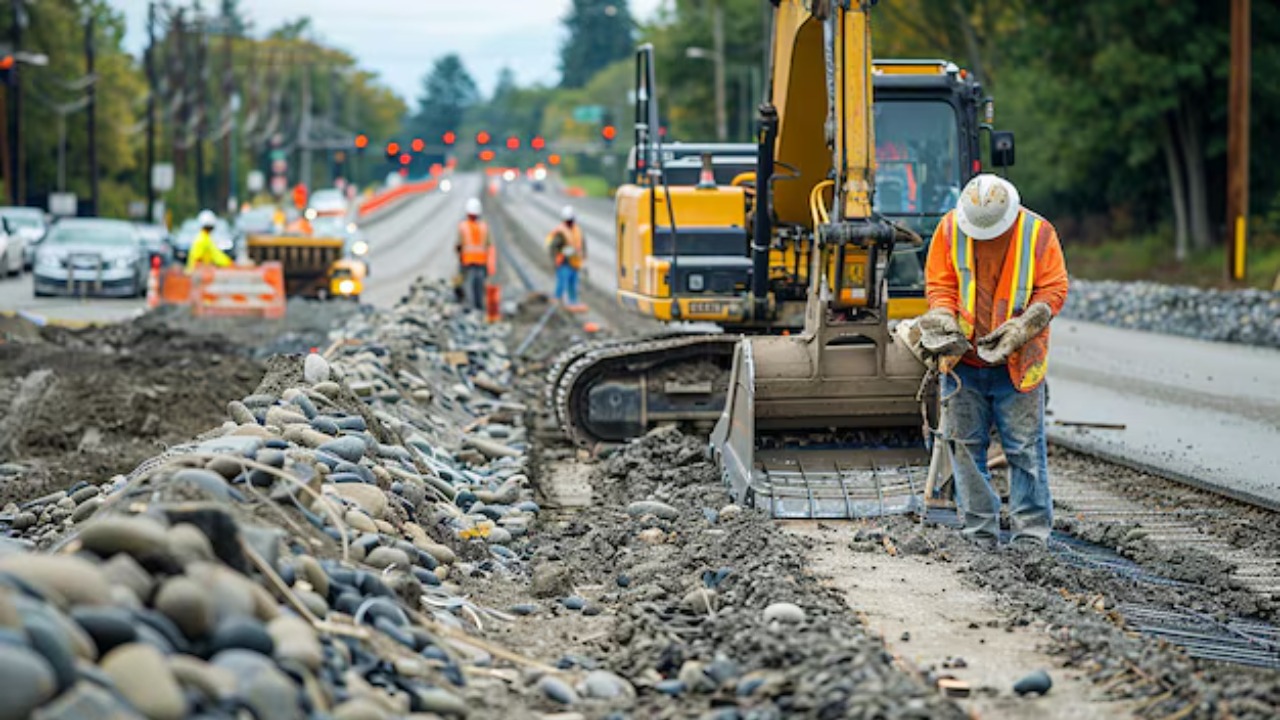
Hypothetically, if Apple were to allocate a portion of its cash reserves to road improvements, the impact could be substantial. Public-private partnerships could be explored as a means to channel Apple’s financial resources into infrastructure projects. Such collaborations have the potential to expedite road upgrades and alleviate some of the government’s funding burdens.
The economic benefits of improved road infrastructure are manifold. Better roads would not only create jobs and stimulate economic growth but also result in long-term savings from reduced vehicle repair costs and improved traffic flow. By investing in infrastructure, Apple could contribute to significant societal benefits, aligning with its corporate social responsibility goals.
Challenges and Limitations

However, investing in public infrastructure is not without challenges. Legal and regulatory hurdles exist for corporate investment in such projects. Current laws governing corporate contributions to public infrastructure may pose obstacles, requiring careful navigation to ensure compliance. Apple would need to consider these regulatory frameworks before committing to any infrastructure investments.
Moreover, concerns about corporate influence over public interest must be addressed. The ethical implications of a private company funding public infrastructure could lead to debates over potential conflicts of interest and influence on public policy. Ensuring that such investments align with public interest and remain transparent would be crucial to gaining public trust.
Alternative Approaches and Solutions
There are other ways Apple could contribute to infrastructure improvement beyond direct financial investment. Exploring tech-driven solutions to enhance road maintenance and traffic management could leverage Apple’s technological expertise. Urban planning and development initiatives could benefit from Apple’s innovative approaches, potentially leading to smarter and more sustainable infrastructure solutions.
The role of other corporations and private investors in infrastructure cannot be overlooked. Successful public-private partnerships in other sectors demonstrate the potential for broader corporate involvement in national infrastructure projects. Encouraging a collective effort among businesses could foster more innovative and sustainable solutions to the country’s infrastructure challenges.

Grant Mercer covers market dynamics, business trends, and the economic forces driving growth across industries. His analysis connects macro movements with real-world implications for investors, entrepreneurs, and professionals. Through his work at The Daily Overview, Grant helps readers understand how markets function and where opportunities may emerge.

