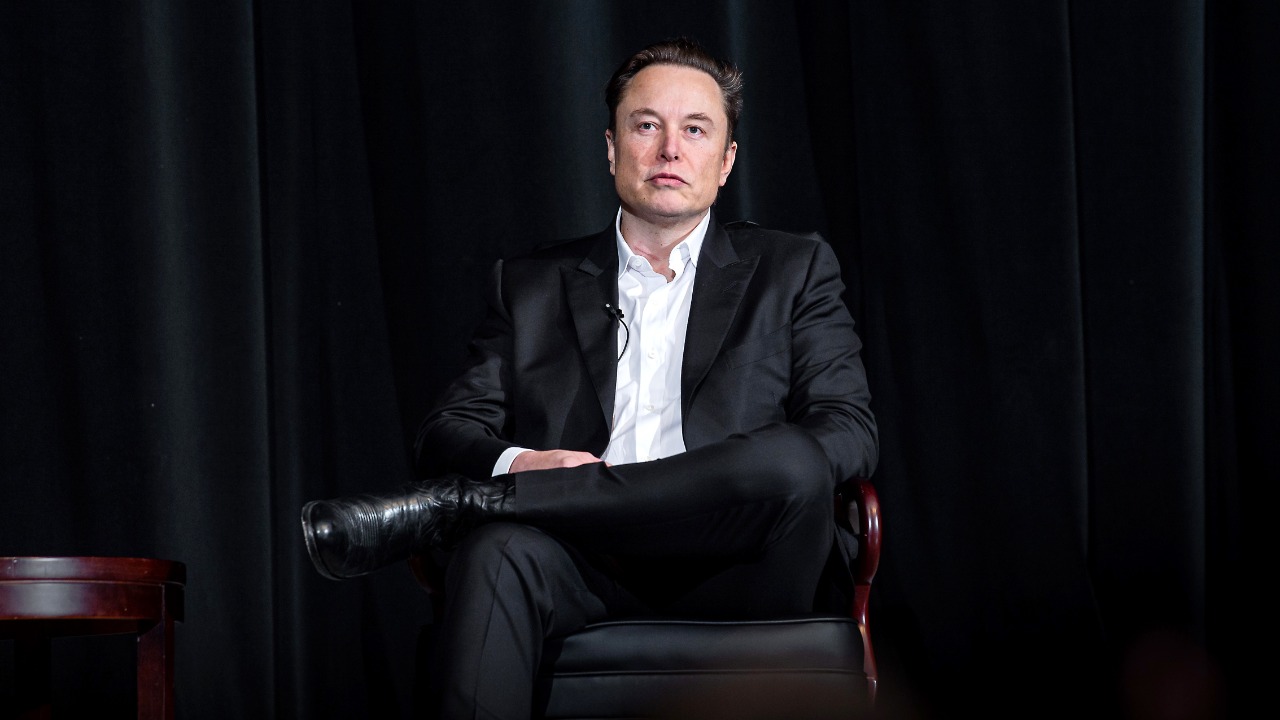
The idea of a billionaire like Elon Musk purchasing a small country may sound like a plot from a science fiction novel, but it raises intriguing questions about wealth, power, and sovereignty. Could the world’s richest individuals leverage their resources to acquire sovereign territory, and what would that mean for global politics and economics?
The Concept of Buying a Country

Throughout history, there have been instances where territories have changed hands through purchase. Notable examples include the Louisiana Purchase and the Alaska Purchase, where land was acquired through transactions between governments. These historical precedents show that the concept isn’t entirely without basis, though the transactions involved were between nation-states rather than private individuals.
Legally, the sale and purchase of sovereign land are governed by international laws and treaties, which traditionally involve negotiations between governments rather than individuals. Therefore, the idea of a private entity purchasing a country introduces complex legal challenges. Moreover, ethical considerations come into play, as such a transaction could lead to potential backlash from the international community, questioning the legitimacy and moral grounds of such an action.
Financial Capability and Feasibility
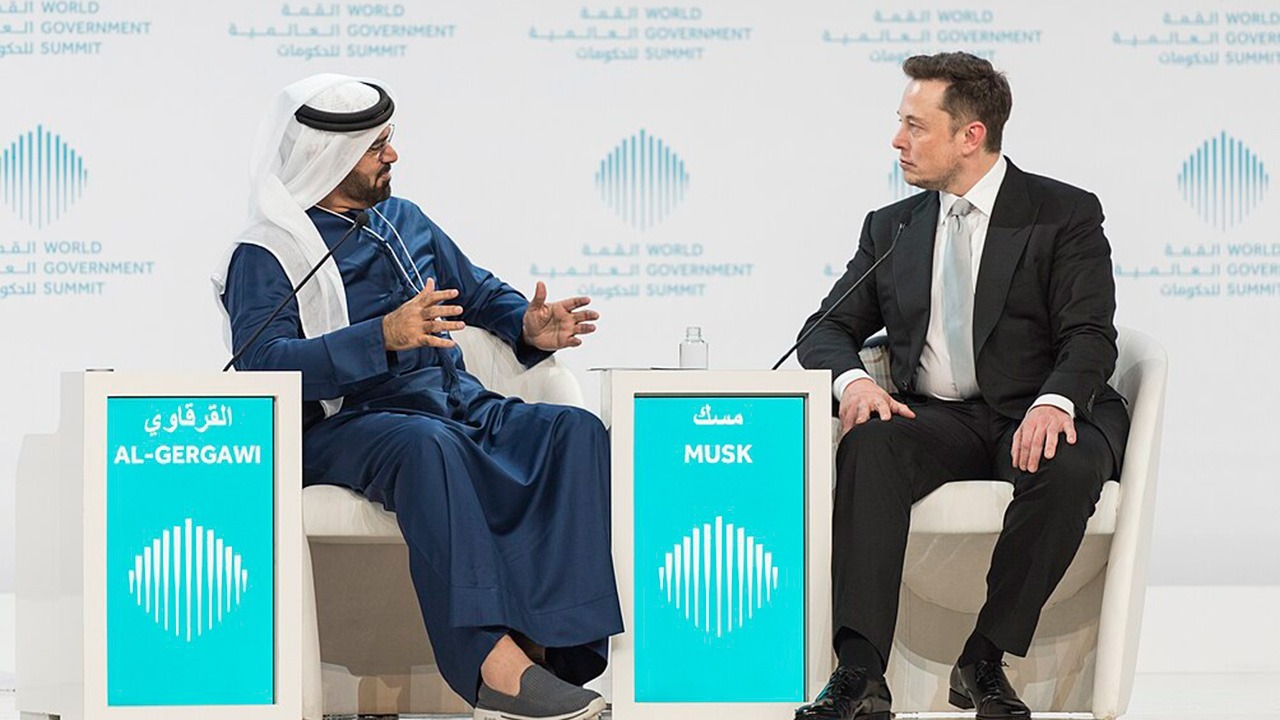
Elon Musk, with a net worth often estimated in the hundreds of billions, certainly has the financial resources to contemplate acquiring significant assets. However, the liquidity of his wealth, largely tied in stocks and companies, might present challenges in executing a purchase of this magnitude. The cost of purchasing a country would involve not just the price of the land but also infrastructural and logistical investments.
Small nations, especially those with struggling economies, might present themselves as potential candidates for purchase. However, the economic viability of such a transaction depends on numerous factors, including the country’s existing economic status and the potential return on investment. The complexities involved in maintaining a country’s economic stability would require careful consideration.
Political and Diplomatic Challenges
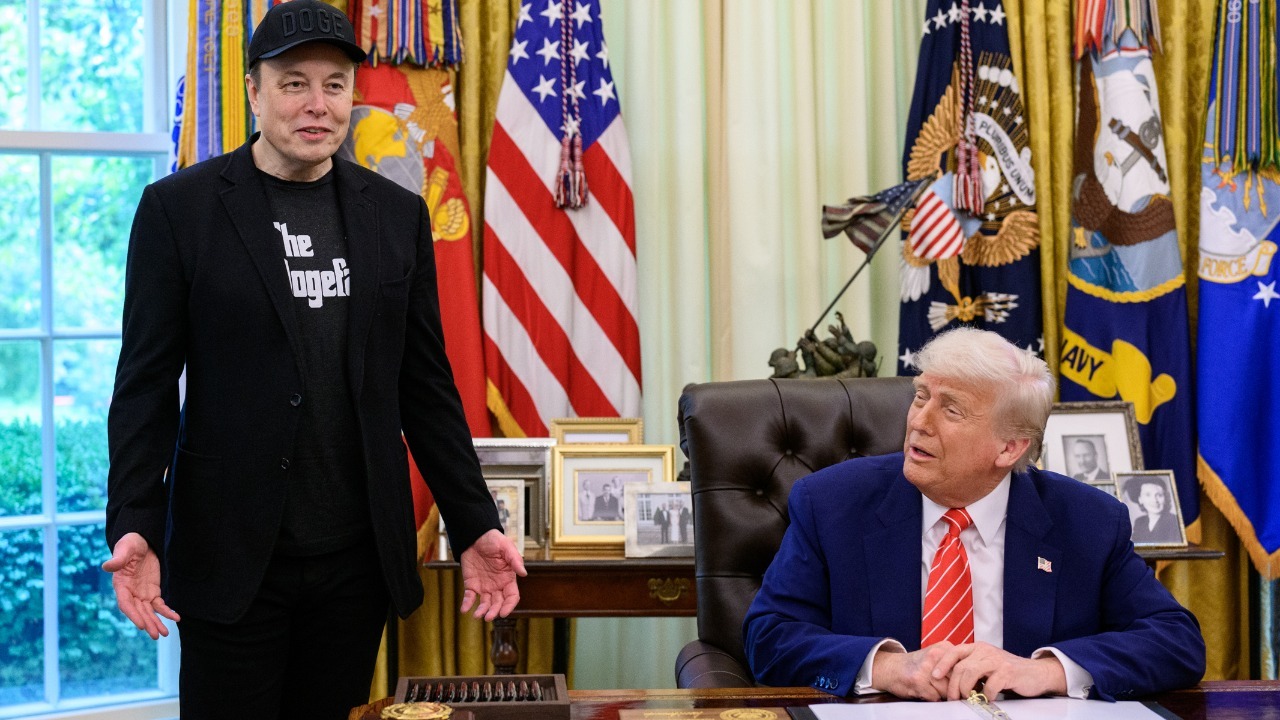
One of the most significant obstacles to purchasing a country is the issue of sovereignty and national identity. Citizens of a purchased country might feel their national identity is compromised, leading to resistance and unrest. The concept of sovereignty is deeply ingrained in international diplomacy, and any attempt to alter it would face significant scrutiny.
Diplomatic relations could also be strained, as other nations and international organizations might view the purchase as a threat to global stability. The potential for governmental resistance is high, as existing political entities would likely oppose any move that undermines their authority and control.
Potential Motivations and Benefits

Owning a country might provide strategic benefits, such as advancing technological and space exploration ambitions. For someone like Musk, who has a vested interest in space travel, sovereign territory could serve as a base for launching and developing space technologies without the constraints of another nation’s regulations.
Moreover, geopolitical influence could be a motivating factor, offering increased leverage in international affairs. There is also the potential for aligning such an acquisition with philanthropic and humanitarian goals, such as enhancing technological infrastructure or providing resources to improve the quality of life for the inhabitants.
Potential Risks and Consequences

The acquisition of a country by a private individual could lead to economic instability, not just within the purchased territory but on a global scale. The introduction of new governance models might disrupt existing economic systems, causing unforeseen consequences.
Human rights concerns are another significant issue. The transition of power to a private entity could lead to violations of basic rights, as the new governance structure might prioritize profit over the welfare of citizens. The long-term viability of such an arrangement is questionable, as it challenges the traditional notions of nationhood and governance.

Grant Mercer covers market dynamics, business trends, and the economic forces driving growth across industries. His analysis connects macro movements with real-world implications for investors, entrepreneurs, and professionals. Through his work at The Daily Overview, Grant helps readers understand how markets function and where opportunities may emerge.