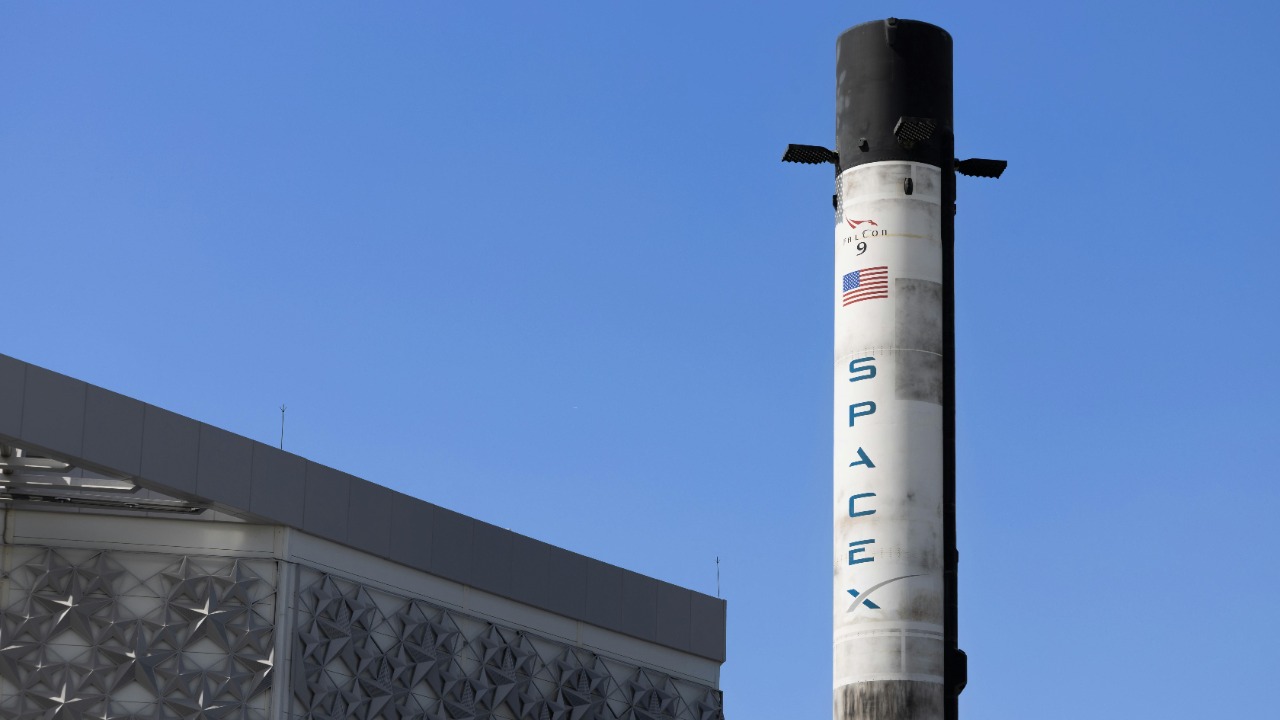
Can the funds used for space exploration by billionaires like Elon Musk be redirected to solve pressing global issues such as hunger? This article explores the feasibility and potential impact of reallocating Musk’s rocket budget to address world hunger, examining both the challenges and opportunities of such a proposition.
The Scale of World Hunger

World hunger remains one of the most pressing issues today, affecting millions globally. According to the United Nations, nearly 811 million people worldwide suffer from chronic hunger, a number exacerbated by factors such as political instability, climate change, and economic disparities. The complexity of global hunger requires a multifaceted approach, involving not only immediate food aid but also long-term solutions that address the root causes.
Political instability often disrupts food supply chains, making it difficult for aid to reach those in need. Climate change exacerbates these challenges, leading to unpredictable weather patterns and natural disasters that destroy crops and livelihoods. Economic disparities further widen the gap between the wealthy and the impoverished, making it harder for the latter to access basic necessities. International organizations like the World Food Programme (WFP) and various NGOs are actively working to combat hunger, but the scale of the problem requires more resources and innovative solutions.
Musk’s Rocket Budget and Space Ventures
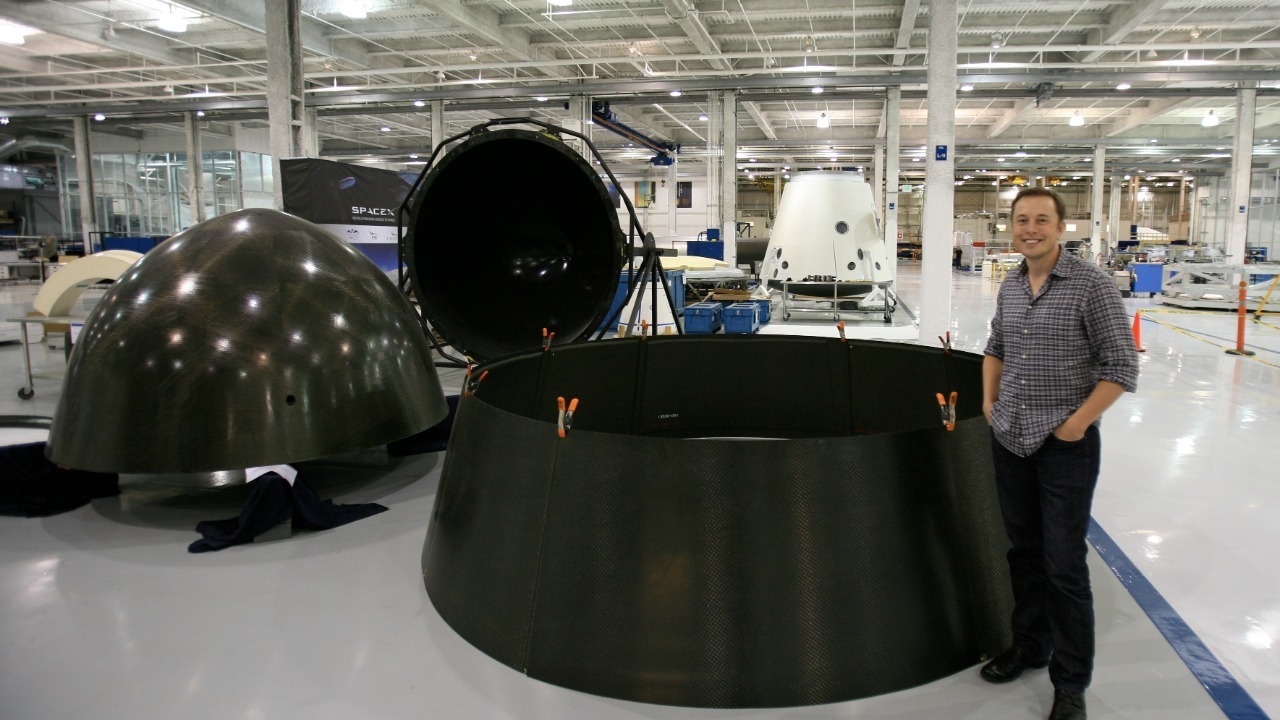
Elon Musk, through his company SpaceX, has invested billions into space exploration with the ambitious goal of colonizing Mars. SpaceX’s budget for rocket development and missions is substantial, running into billions of dollars each year. Musk’s vision for space colonization is driven by the belief that humanity needs to become a multi-planetary species to ensure its survival.
However, this focus on space poses an ethical dilemma: should resources be used for interplanetary exploration when there are pressing issues on Earth? Musk’s financial priorities are heavily tilted toward technological advancement and space innovation, raising questions about the opportunity costs of these investments. Discussions around these priorities often highlight the potential benefits of redirecting some of these funds to tackle global issues like hunger.
Theoretical Reallocation of Funds
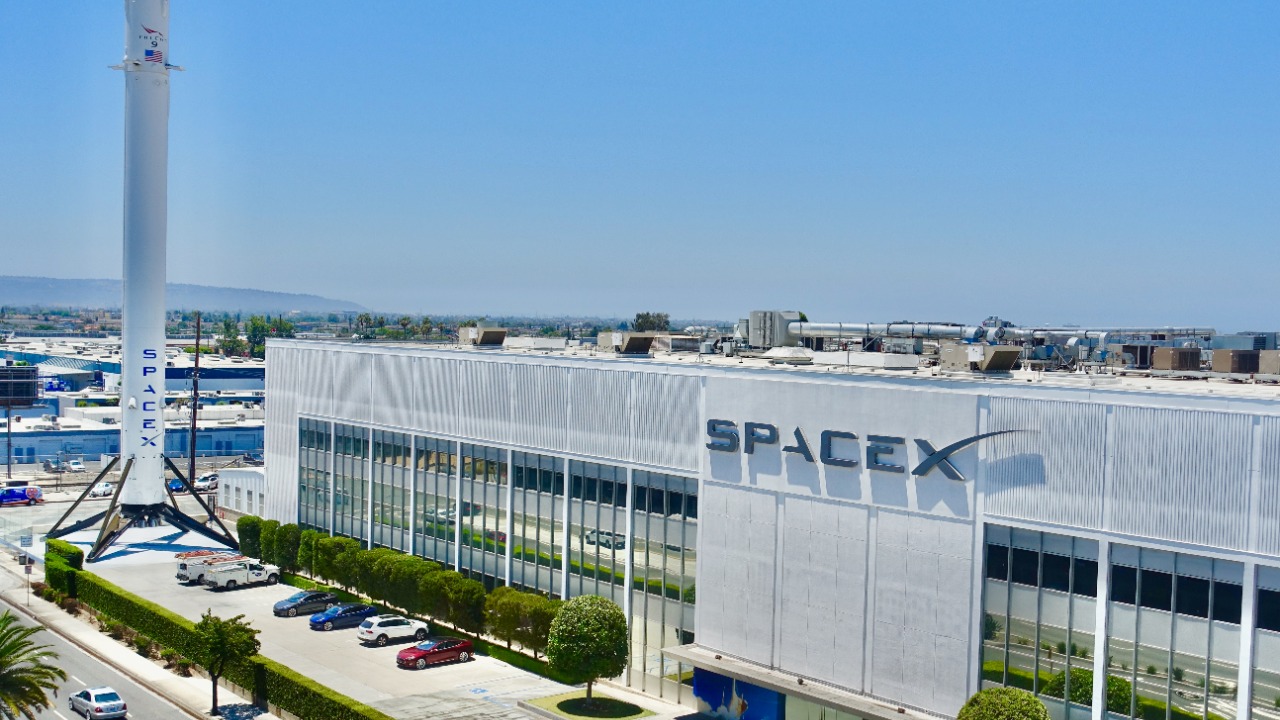
If we consider the theoretical reallocation of funds from Musk’s space projects to hunger relief, the numbers could be significant. SpaceX’s annual budget, which is estimated to be several billion dollars, could potentially fund numerous hunger eradication programs worldwide. For instance, the WFP estimated that $6.6 billion could help solve world hunger for a year, a figure that sparked a debate when Musk himself donated $5.7 billion to charity in 2021.
Historically, there have been instances where funds from other sectors were successfully redirected to humanitarian aid, resulting in significant positive outcomes. However, the challenge lies in ensuring that these funds are used efficiently and reach those who need them the most. Comparing the costs of space missions to hunger eradication programs highlights a potential for impact, but translating theoretical reallocation into practical action is complex.
Challenges in Redirecting Funds
Redirecting such large-scale budgets from space initiatives to global hunger relief is fraught with challenges. Economically, the logistics of reallocating funds involve intricate financial planning and cooperation from multiple stakeholders, including governments, private investors, and organizations. Moreover, there is potential resistance from those who believe in the long-term benefits of space exploration for humanity.
Additionally, redirecting funds from space ventures could result in a loss of technological advancements and innovations that have applications beyond space exploration. Space technology has historically contributed to various sectors, including telecommunications, environmental monitoring, and even medical advancements. Balancing these considerations requires a nuanced understanding of both immediate humanitarian needs and long-term technological progress.
Possible Impact of Redirected Funds

Should Musk’s rocket budget be allocated to combat world hunger, the potential outcomes could be profound. Redirected funds could bolster existing hunger relief programs, expand food distribution networks, and support sustainable agricultural practices. Successful large-scale hunger relief programs, such as those implemented in countries like Brazil and India, provide models for how increased funding can lead to significant reductions in hunger rates.
The long-term implications of significantly reducing hunger could extend beyond immediate relief, fostering global poverty reduction and economic stability. By addressing hunger, we enable communities to focus on economic development and education, creating a virtuous cycle of growth and prosperity. However, ensuring that these outcomes are realized requires careful planning, accountability, and collaboration among international players.
Ethical Considerations and Public Opinion

The ethical responsibility of billionaires in addressing global crises is a subject of intense debate. While some argue that individuals like Musk should prioritize earthbound issues over space exploration, others believe in the potential of space ventures to drive technological and economic benefits for humanity. Public perception often reflects this divide, with advocacy groups urging billionaires to contribute more toward pressing global issues.
Public advocacy and media play crucial roles in influencing the financial decisions of high-net-worth individuals. Campaigns and discussions around the ethical allocation of resources can pressure billionaires to consider the broader impacts of their investments. The discourse on Musk’s potential contributions to world hunger continues to evolve, with platforms like the World Economic Forum and CNN shedding light on the complexities of such decisions.

Grant Mercer covers market dynamics, business trends, and the economic forces driving growth across industries. His analysis connects macro movements with real-world implications for investors, entrepreneurs, and professionals. Through his work at The Daily Overview, Grant helps readers understand how markets function and where opportunities may emerge.

