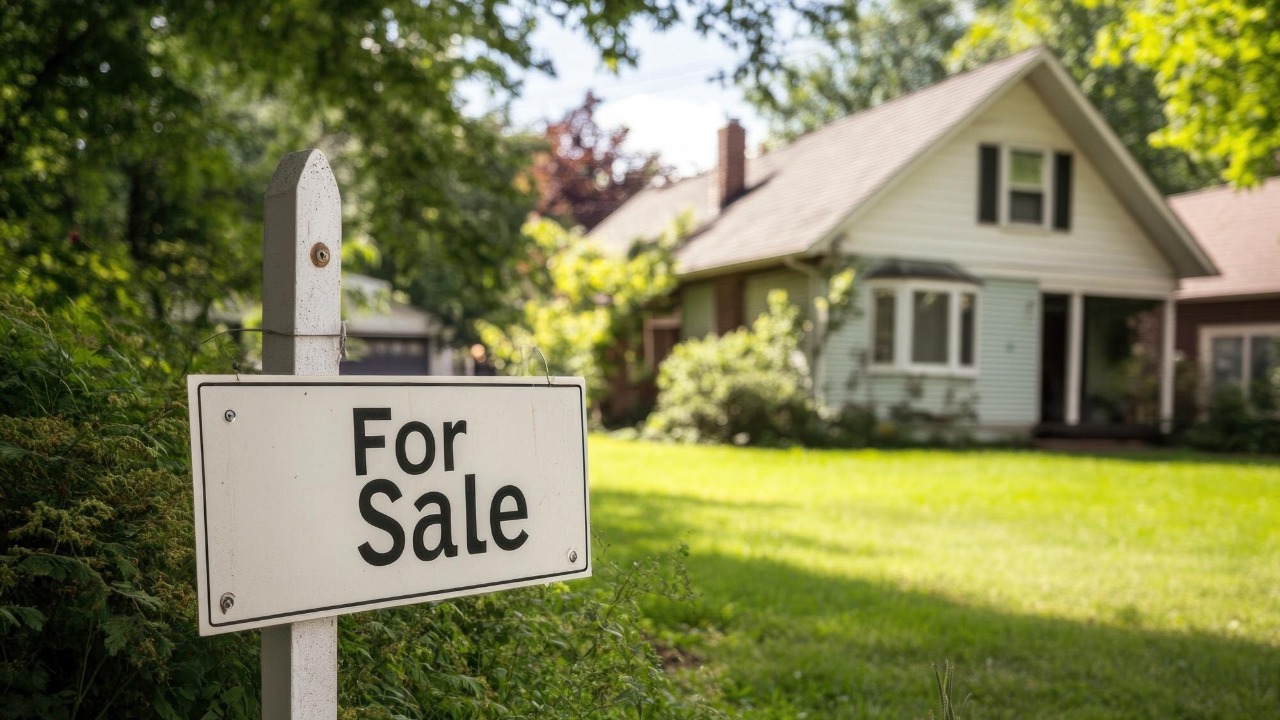
The real estate market can be a complex terrain, especially when it comes to the legality of property listings. Many homeowners are unaware of the potential for their homes to be listed without their explicit consent, raising concerns about privacy and control over personal property. Understanding the circumstances under which a home might be listed without the owner’s approval and what measures can be taken to prevent such occurrences is crucial for homeowners.
Understanding Unauthorized Listings

What Constitutes an Unauthorized Listing?
Unauthorized listings refer to the inclusion of a property on real estate platforms or listings without the explicit consent of the homeowner. This can occur when a property is advertised for sale or rent without the proper authorization. Such listings differ from legitimate property listings, which are agreed upon and documented by both the homeowner and the real estate agent involved. Common scenarios leading to unauthorized listings include miscommunication between parties, data inaccuracies, or deliberate fraudulent activities.
In some cases, real estate agents may mistakenly list a property due to outdated or incorrect information in publicly accessible property databases. Additionally, fraudulent actors might exploit these platforms to create unauthorized listings, often targeting properties that appear uninhabited or neglected.
Legal Implications and Consequences
The legal repercussions of unauthorized listings can be significant. Homeowners may face unexpected legal battles to remove their property from such listings, which can be both time-consuming and costly. Unauthorized listings can also negatively impact property value, as they might suggest to potential buyers that the property is subject to disputes or lacks clear ownership.
Homeowner rights can be undermined by unauthorized listings, leading to potential violations of privacy and control over one’s property. Understanding the legal landscape and potential consequences is essential for homeowners to protect their interests and maintain the integrity of their property rights.
Factors Leading to Unauthorized Listings

Miscommunication and Errors
Miscommunication between real estate agents and homeowners is a leading cause of unauthorized listings. In some cases, agents may proceed with listing a property based on assumptions or outdated agreements, without securing current consent from the homeowner. This can occur when there is a lack of clear communication or when verbal agreements are not properly documented.
Errors in property databases also contribute to unauthorized listings. When public records or real estate databases contain inaccurate information, it can lead to properties being mistakenly listed. Such errors can arise from outdated data, incorrect entries, or administrative oversights, underscoring the need for thorough checks and balances within real estate systems.
Exploitation and Fraud
Fraudulent activities in the real estate market can result in unauthorized listings, often leaving homeowners vulnerable to exploitation. Scammers may list properties without consent, aiming to deceive potential buyers or tenants. Case studies of exploitation reveal the tactics used by fraudsters, such as creating fake listings for properties they do not own or have access to.
These fraudulent listings can lead to financial losses for both homeowners and unwitting buyers. Understanding the signs of fraud and staying vigilant can help homeowners protect their properties from becoming targets of such schemes.
Preventive Measures for Homeowners

Establishing Clear Communication with Agents
Clear communication with real estate agents is crucial in preventing unauthorized listings. Homeowners should ensure that all listing agreements are documented and understood by all parties involved. This includes having written agreements that explicitly state the terms and conditions of any listing, as well as regular check-ins to confirm mutual understanding.
By fostering transparent communication and establishing clear expectations with agents, homeowners can reduce the risk of their property being listed without consent. It is also beneficial to consult with legal professionals to review any agreements, ensuring that they align with the homeowner’s intentions and legal rights.
Monitoring and Safeguarding Personal Information
Homeowners can take proactive steps to safeguard personal information, reducing the risk of unauthorized access to property details. Protecting sensitive data, such as social security numbers and personal identification, is essential. According to Kiplinger, avoiding risky situations where this information might be exposed can prevent unauthorized listings.
Utilizing resources and tools available for monitoring property listings can also help homeowners stay informed. Regularly checking platforms for unauthorized listings and using alerts to notify homeowners of any new listings involving their property can provide an additional layer of protection.
Legal Recourse and Resolution

Steps to Take if Your Home is Listed Without Consent
If a homeowner discovers that their property has been listed without consent, it is important to take immediate action. Initial steps include contacting the real estate platform to request the removal of the unauthorized listing and notifying the relevant authorities or legal professionals to address the situation.
Engaging with legal professionals can provide guidance on how to resolve the issue effectively. They can assist in navigating the legal complexities and help restore the homeowner’s rights. Prompt action can prevent further complications and protect the homeowner’s interests.
Understanding Your Rights as a Homeowner
Homeowners should be aware of their rights concerning property listings. This includes understanding the legal framework that governs real estate transactions and the protections afforded to property owners. Having a comprehensive overview of these rights can empower homeowners to take appropriate action if unauthorized listings occur.
Legal resources and support are available for homeowners facing unauthorized listings. Consulting with real estate attorneys or legal aid organizations can provide valuable assistance in asserting homeowner rights and resolving disputes effectively.
Industry Standards and Regulations
Role of Real Estate Platforms and Standards
Real estate platforms play a significant role in maintaining the accuracy and legitimacy of property listings. Industry standards, such as the new listing access standards implemented by Zillow, aim to protect homeowners by ensuring that listings on their platforms are authorized and accurate.
These standards contribute to a more transparent and trustworthy real estate market, helping to prevent unauthorized listings and ensuring that only verified properties are advertised. By adhering to these standards, platforms can support homeowners in maintaining control over their property listings.
Regulatory Measures and Their Effectiveness
Current regulatory measures are in place to prevent unauthorized listings, but their effectiveness varies. Examination of these regulations reveals areas where improvements can be made to better protect homeowners and enhance the integrity of real estate listings.
Discussions on potential improvements and future regulations highlight the need for ongoing efforts to refine and enforce rules governing property listings. Continued collaboration between industry stakeholders, regulatory bodies, and homeowners is essential in creating a more secure and reliable real estate environment.

Elias Broderick specializes in residential and commercial real estate, with a focus on market cycles, property fundamentals, and investment strategy. His writing translates complex housing and development trends into clear insights for both new and experienced investors. At The Daily Overview, Elias explores how real estate fits into long-term wealth planning.

