
Living a debt-free life is a dream for many, and financial expert Dave Ramsey offers a practical plan to achieve this goal. His nine-step approach emphasizes budgeting, saving, and strategic debt repayment. By following these steps, you can take control of your finances and work towards a future free from financial stress.
1. Budgeting Basics: The Foundation of Financial Freedom

Creating a budget is essential for financial stability. It allows you to track your income and expenses, ensuring that you spend within your means. I recommend using tools like EveryDollar, a budgeting app endorsed by Dave Ramsey, to simplify this process. By categorizing your spending, you can identify areas where you might be overspending and make necessary adjustments.
A well-structured budget serves as the foundation for all other financial decisions. It helps you prioritize expenses and allocate funds toward savings and debt repayment. Regularly reviewing and adjusting your budget ensures that you stay on track to meet your financial goals.
2. The Emergency Fund: Your Safety Net

An emergency fund acts as a financial cushion for unforeseen expenses. Ramsey suggests starting with a $1,000 emergency fund, then gradually building it to cover three to six months of living expenses. This fund is crucial for preventing debt accumulation during unexpected situations like car repairs or medical emergencies.
Having an emergency fund provides peace of mind and financial stability. It allows you to handle life’s surprises without derailing your budget or taking on additional debt. Consistently setting aside a portion of your income will help you reach your emergency fund target over time.
3. The Debt Snowball Method: Pay Off Debts Strategically

The Debt Snowball Method is a strategy where you pay off your smallest debts first while making minimum payments on larger ones. This approach, endorsed by Dave Ramsey, keeps you motivated by providing quick wins.
Once a small debt is paid off, you apply the freed-up funds toward the next smallest debt, creating a snowball effect. This method helps you gain momentum and gradually eliminates all debt. It emphasizes the psychological benefits of seeing debts disappear, boosting your confidence and commitment to becoming debt-free.
4. Minimize Expenses: Cut Unnecessary Costs

Reducing expenses is a crucial step towards financial freedom. Evaluate your spending habits and identify areas where you can cut back. For instance, consider cooking at home instead of dining out frequently or canceling unused subscriptions.
By minimizing expenses, you can allocate more funds towards debt repayment and savings. Simple changes, like using energy-efficient appliances or carpooling, can significantly impact your budget. Regularly reviewing your expenses ensures that unnecessary costs do not creep back into your financial plan.
5. Increase Income: Boost Your Earnings

Finding ways to increase your income can accelerate your journey to debt-free living. Consider side hustles or freelance work in addition to your full-time job. Websites like Upwork or Fiverr offer opportunities to leverage your skills for extra income.
Additionally, explore opportunities for career advancement or salary raises. Enhancing your skillset through online courses or certifications can make you more valuable in your current role or open doors to new opportunities. Boosting your income provides more flexibility within your budget, allowing you to tackle debt faster.
6. Save for Retirement: Secure Your Future

Planning for retirement is a vital aspect of financial security. Dave Ramsey recommends investing 15% of your income into retirement accounts like a 401(k) or IRA. Starting early allows you to benefit from compound interest, maximizing your savings over time.
Utilize employer-sponsored retirement plans and take advantage of any matching contributions. By prioritizing retirement savings, you ensure a comfortable future. Consistent contributions, even in small amounts, can grow significantly, providing financial stability in your golden years.
7. Pay Off Your Home Early: Live Mortgage-Free

Paying off your mortgage early is a significant milestone in achieving financial freedom. Extra payments towards your principal balance can dramatically reduce the time and interest paid on your loan.
Consider refinancing options to secure a lower interest rate or allocating bonuses and tax refunds towards mortgage payments. Living mortgage-free not only reduces monthly expenses but also provides a sense of security and ownership. It frees up funds for investments and savings, contributing to long-term wealth building.
8. Build Wealth and Give: Invest and Share
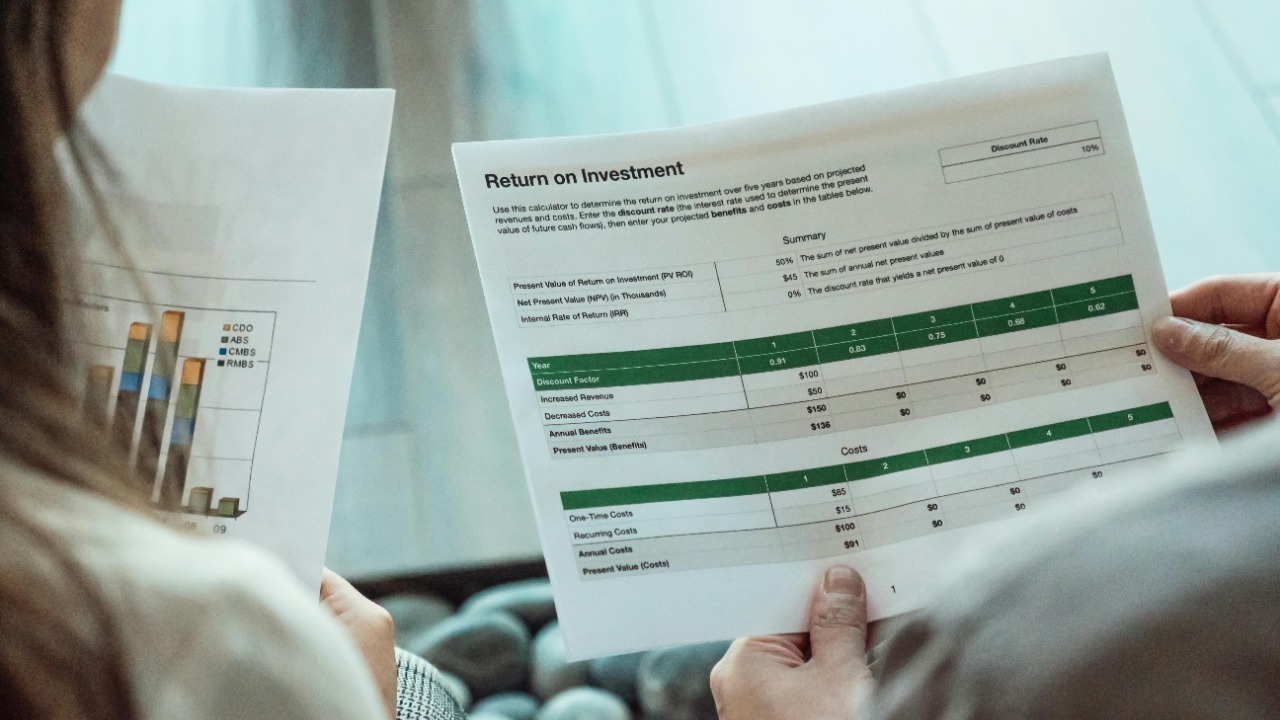
Once debt-free, focus on building wealth through investments. Diversify your portfolio with a mix of stocks, bonds, and real estate. Platforms like Betterment or Vanguard make investing accessible for beginners.
Additionally, giving back is a core principle of Ramsey’s philosophy. Charitable donations or volunteering not only benefit others but also enrich your own life. Sharing your wealth helps build a sense of community and gratitude, reinforcing the positive impact of financial discipline.
9. Stay Committed: Maintain Financial Discipline

Consistency is key in maintaining financial freedom. Regularly review your financial goals and adjust your budget as needed. Monitoring your progress keeps you accountable and motivated.
Engage with resources like Dave Ramsey’s podcasts or books for ongoing inspiration and guidance. Staying disciplined ensures that you continue to make informed financial decisions, protecting the financial independence you’ve worked hard to achieve.

Cole Whitaker focuses on the fundamentals of money management, helping readers make smarter decisions around income, spending, saving, and long-term financial stability. His writing emphasizes clarity, discipline, and practical systems that work in real life. At The Daily Overview, Cole breaks down personal finance topics into straightforward guidance readers can apply immediately.

