Automakers are still building many 2024 vehicles, but some of the most talked‑about models are effectively stuck in limbo, barred from being sold or delivered to customers until serious safety or quality problems are fixed. For shoppers, that means the car or SUV they ordered, or were eyeing on the lot, may be physically present yet legally untouchable. I want to walk through the most significant stop‑sale cases, why regulators and manufacturers have frozen these vehicles, and what that means if you are trying to buy or already own one of these 2024 models.
Why “stop sale” orders freeze 2024 models in their tracks
When a manufacturer or regulator issues a stop‑sale or stop‑delivery order, it is essentially pulling the emergency brake on the retail pipeline. Dealers are told they cannot sell, lease, or in some cases even deliver affected vehicles to customers until a remedy is in place, even if those vehicles are already on the lot or in transit. The logic is straightforward: if a defect creates a meaningful safety risk, it is safer to keep the vehicle parked than to add it to traffic, and that is why internal bulletins use blunt language like STOP, DELIVERY, and ORDER to make clear that the directive is not optional.
These orders can be triggered by a formal recall, by internal testing, or by early field reports that point to a pattern of failures. In a recent communication, for example, a manufacturer instructed dealers that, Effective immediately, they had to stop the delivery of certain 2021–2024 model year Cadillac Escalade vehicles and related models because of a safety concern that had not yet been fully resolved. That kind of language is typical of how automakers and the National Highway Traffic Safety Administration (NHTSA) coordinate when they believe a defect could compromise crash performance, braking, steering, or other core systems.
General Motors: trucks, SUVs and pickups dealers cannot hand over
General Motors has been at the center of several high‑profile stop‑sale actions involving 2024 vehicles, particularly its trucks and SUVs. The company publicly promotes its safety and engineering standards on its corporate site, where it highlights how General Motors designs and builds vehicles under its Chevrolet, GMC, Cadillac, and Buick brands. Yet even with that emphasis, internal testing and field data have forced GM to halt sales of some of its most profitable models while it works on fixes.
One of the most sweeping actions came when GM issued a directive that combined a recall with a stop‑sale covering approximately 721,000 Trucks and SUVs, a group that included multiple 2024 model‑year vehicles. The company described this as a voluntary recall, but the practical effect for dealers was mandatory: they could not sell or deliver the affected trucks until repairs were completed. Separately, earlier in the year GM also told retailers to stop selling certain 2024 Chevrolet Colorado and GMC Canyon pickups because of software problems that could affect how key systems behaved, a move that left some buyers waiting while Chevrolet Colorado and GMC Canyon trucks sat on lots awaiting updated code.
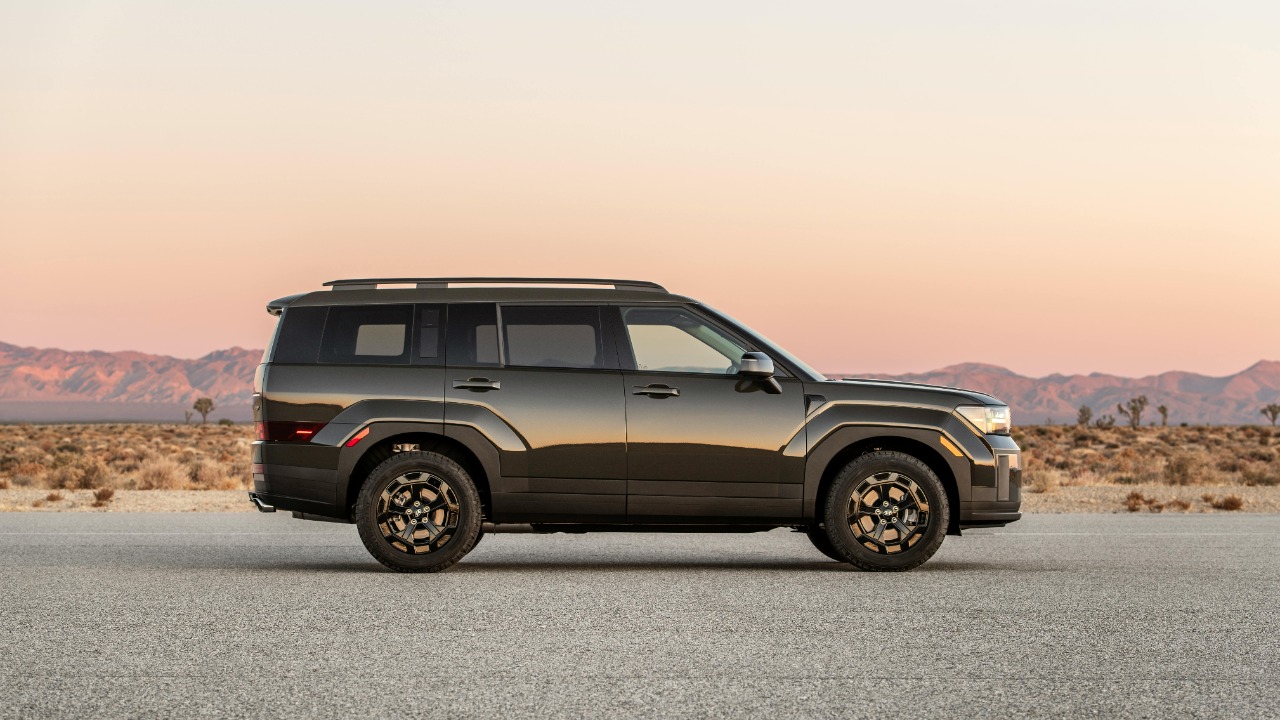
Hyundai Santa Fe: a redesigned SUV sidelined by airbag and rollaway risks
The fully redesigned 2024 Hyundai Santa Fe was supposed to be one of the year’s big family‑SUV launches, but safety problems have turned it into a case study in how quickly a hot new model can be frozen. Regulators and the company identified issues with the airbag system and with the parking mechanism that raised the risk of unintended deployment and potential rollaway, both of which are the kind of defects that trigger immediate regulatory scrutiny.
Documents from the NHTSA show that there has already been at least one instance where one of the SUV airbags deployed unexpectedly, which is why regulators treated the problem as more than a theoretical risk. In response, Hyundai initiated a recall that affected nearly 50,000 Santa Fe and related models and agreed to a stop‑sale order that barred dealers from selling or delivering any new 2024 Hyundai Santa Fe units until the airbag and rollaway issues were addressed. For shoppers, that means even if a Santa Fe is sitting on the showroom floor, the keys are effectively off‑limits until the remedy is installed and documented.
Motorcycles and specialty vehicles: Kawasaki and others hit the brakes
Stop‑sale orders are not limited to passenger cars and SUVs, and 2024 has seen powersports brands pulled into the same safety net. Kawasaki, for instance, issued a bulletin instructing dealers to STOP RETAIL SALES AND DELIVERY of certain 2024 Z7 Hybrid ABS motorcycles because of a defect that could affect safe operation. The language in that communication was blunt, telling retailers that, as of Nov, they had to treat the affected bikes as unsellable inventory until further notice.
The internal notice, filed with regulators, made clear that the directive applied across Kawasaki’s network and that dealers were expected to consult the company’s comprehensive eBinder on k‑dealer.com for a complete listing of all current Kawasaki sales programs and restrictions tied to the 2024 Z7 Hybrid ABS stop‑sale. In other words, the company was not leaving room for interpretation: the affected models were to be parked, not sold, until the safety fix was ready, a stance spelled out in the Nov bulletin that regulators received.
How crash‑risk recalls and software flaws turn into full stop‑sale orders
Behind each of these frozen 2024 models is a specific defect that regulators and manufacturers have concluded poses an unacceptable risk. Some are mechanical, such as braking or steering issues, while others are electronic, involving software that controls everything from airbags to transmissions. When the potential outcome is a collision or loss of control, companies are under pressure to act quickly, which is why internal documents often highlight CRASH and RISK in capital letters to underscore the stakes.
In one recent case discussed on the Car Pro Show on a Saturday, General Motors announced a recall affecting certain vehicles with the 6.2L L87 V8 engine because of a defect that created a CRASH RISK, a problem serious enough that the company paired the recall with a stop‑sale directive for unsold units. That combination of recall and sales freeze, described in detail in a CRASH RISK bulletin, shows how quickly a technical issue can escalate from a service campaign to a full‑blown halt in retail activity. Software flaws can have the same effect, as GM’s decision to stop selling 2024 pickups over software problems illustrates, because modern vehicles rely on code for critical safety functions as much as for convenience features.
What shoppers and owners should do if their 2024 model is on the no‑sell list
For buyers, the most immediate impact of a stop‑sale is frustration: the vehicle you ordered may be built, shipped, and even sitting at the dealership, but the dealer cannot legally complete the transaction. If you already own an affected 2024 model, the stakes are different, because you are allowed to keep driving, but you may be operating a vehicle with a known safety defect. In both cases, the first step is to confirm whether your specific vehicle is covered by a recall or stop‑sale campaign.
The most reliable way to do that is to use your vehicle identification number, or VIN, to search official databases. Regulators maintain a public tool where, When you search by license plate or VIN, you can see whether a specific vehicle needs to be repaired as part of a recall and review related investigations, complaints, and manufacturer communications, all through the VIN lookup system. Consumer attorneys echo that advice, noting that the easiest way to check if your car is under recall is to visit the NHTSA website and use the VIN tool, a step‑by‑step process laid out in a guide titled “How do I check if my car is under recall?” that walks owners through how to use the How search function.
More From TheDailyOverview

Grant Mercer covers market dynamics, business trends, and the economic forces driving growth across industries. His analysis connects macro movements with real-world implications for investors, entrepreneurs, and professionals. Through his work at The Daily Overview, Grant helps readers understand how markets function and where opportunities may emerge.

