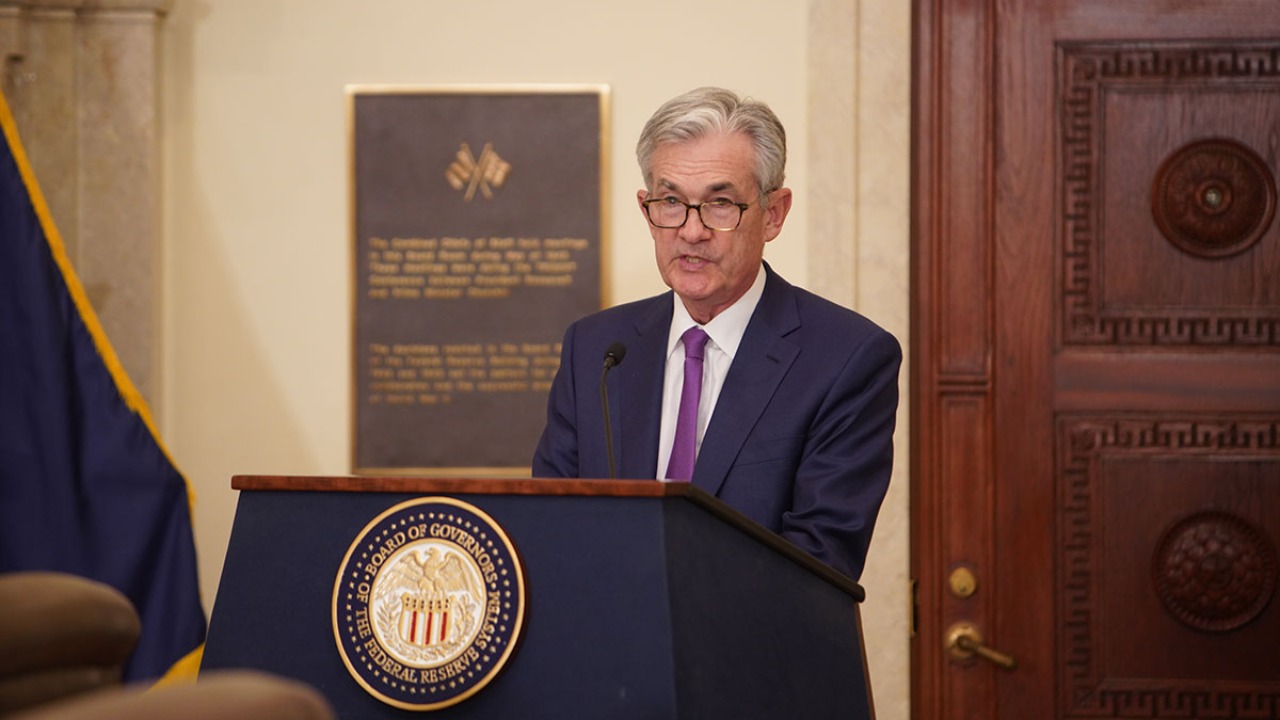
As the Federal Reserve approaches its December meeting, expectations for a rate cut are rapidly diminishing. Despite ongoing concerns about the labor market, Federal Reserve Chair Jerome Powell faces the daunting task of uniting a deeply divided Fed. On November 13, Powell cautioned that a rate cut is “not a foregone conclusion. Far from it,” urging stakeholders not to count on immediate relief. Meanwhile, shifts within the Fed, such as Fed official Miran’s recent pivot away from advocating for a December rate cut, highlight the internal dynamics at play.
Fading Expectations for a December Rate Cut
The anticipation for a December rate cut has been waning, with market analysts and investors increasingly skeptical about the likelihood of such a move. Reports from November 12 indicate a swift erosion of optimism, driven by persistent inflation and hawkish market sentiments. These factors have significantly reduced the probability of a rate cut, as the Fed grapples with the challenge of balancing inflation control with economic growth. Sticky inflation remains a formidable obstacle, as it complicates the Fed’s ability to justify easing monetary policy at this juncture.
Hawkish market sentiments further exacerbate the situation, as investors brace for the possibility of prolonged high interest rates. This shift in expectations has broader implications for economic forecasts, potentially affecting everything from consumer spending to business investment. Without a rate cut, the economy may face headwinds that could slow growth, although the exact impact remains uncertain. The interplay between inflation and market expectations underscores the complexity of the Fed’s decision-making process, as it navigates these challenging economic conditions.
Labor Market Fears Complicating Fed Decisions
Concerns about the labor market continue to weigh heavily on the Fed’s deliberations, acting as a counterforce to hopes for a rate cut. Despite broader economic signals, labor market fears persist, as highlighted in recent reports. These concerns are rooted in specific labor data that reveal vulnerabilities in employment metrics, which are amplifying divisions within the Fed rather than resolving them. The labor market’s health is a critical factor in the Fed’s policy considerations, as it directly influences consumer confidence and spending.
The tension between labor market vulnerabilities and the need for monetary policy caution is palpable. On one hand, a robust labor market could justify maintaining higher interest rates to curb inflation. On the other hand, signs of weakness in employment could prompt calls for a rate cut to stimulate economic activity. This delicate balance is at the heart of the Fed’s current predicament, as it seeks to navigate these competing priorities without derailing economic recovery.
Powell’s Efforts to Unite a Divided Federal Reserve
Jerome Powell’s leadership is being tested as he attempts to unite a divided Federal Reserve. Analysis from November 12 highlights the internal rifts within the Fed, which complicate Powell’s efforts to forge a consensus on monetary policy. Powell’s warning that the Fed is “extremely divided” underscores the challenges he faces in aligning the diverse viewpoints of Fed officials. His statement that a rate cut is “not a foregone conclusion. Far from it” reflects the uncertainty surrounding the Fed’s next steps.
To bridge these divisions, Powell may need to employ a range of strategies, including fostering open dialogue among Fed members and emphasizing data-driven decision-making. His public cautions against prematurely expecting a December cut suggest a commitment to thorough analysis and careful consideration of all economic indicators. By prioritizing consensus-building, Powell aims to guide the Fed through this period of uncertainty, ensuring that its policies are well-calibrated to address the evolving economic landscape.
Key Fed Officials’ Shifts Influencing Policy Outlook
The recent pivot by Fed official Miran away from advocating for a December rate cut is a significant development that signals changing dynamics within the Fed. This shift, reported on November 12, reflects a broader trend of evolving hawkish leanings among Fed officials. Miran’s stance contributes to the divisions within the Fed, aligning with Powell’s warnings about the lack of consensus on monetary policy. This internal discord highlights the complexity of the Fed’s decision-making process, as officials weigh the merits of various policy options.
The ripple effects of such official pivots are felt in market perceptions and internal Fed consensus-building efforts. As Fed officials adjust their positions, market participants must recalibrate their expectations, leading to increased volatility and uncertainty. These shifts also underscore the importance of clear communication from the Fed, as it seeks to manage market reactions and maintain credibility. By navigating these challenges, the Fed aims to chart a course that supports economic stability while addressing the diverse concerns of its stakeholders.
In conclusion, the Federal Reserve’s path forward remains fraught with challenges, as it grapples with fading hopes for a December rate cut amid labor market fears and internal divisions. Jerome Powell’s leadership will be crucial in uniting the Fed and guiding its policy decisions, as it seeks to balance inflation control with economic growth. The evolving dynamics within the Fed, exemplified by Miran’s pivot, highlight the complexity of the current economic environment and the need for careful, data-driven decision-making. As the Fed navigates these turbulent waters, its actions will have far-reaching implications for the broader economy and financial markets.
More From TheDailyOverview
- Dave Ramsey says these two simple questions show whether you’re rich or poor
- Retired But Want To Work? Try These 18 Jobs for Seniors That Pay Weekly
- IRS raises capital gains thresholds for 2026 and what’s new
- 12 ways to make $5,000 fast that actually work

Grant Mercer covers market dynamics, business trends, and the economic forces driving growth across industries. His analysis connects macro movements with real-world implications for investors, entrepreneurs, and professionals. Through his work at The Daily Overview, Grant helps readers understand how markets function and where opportunities may emerge.