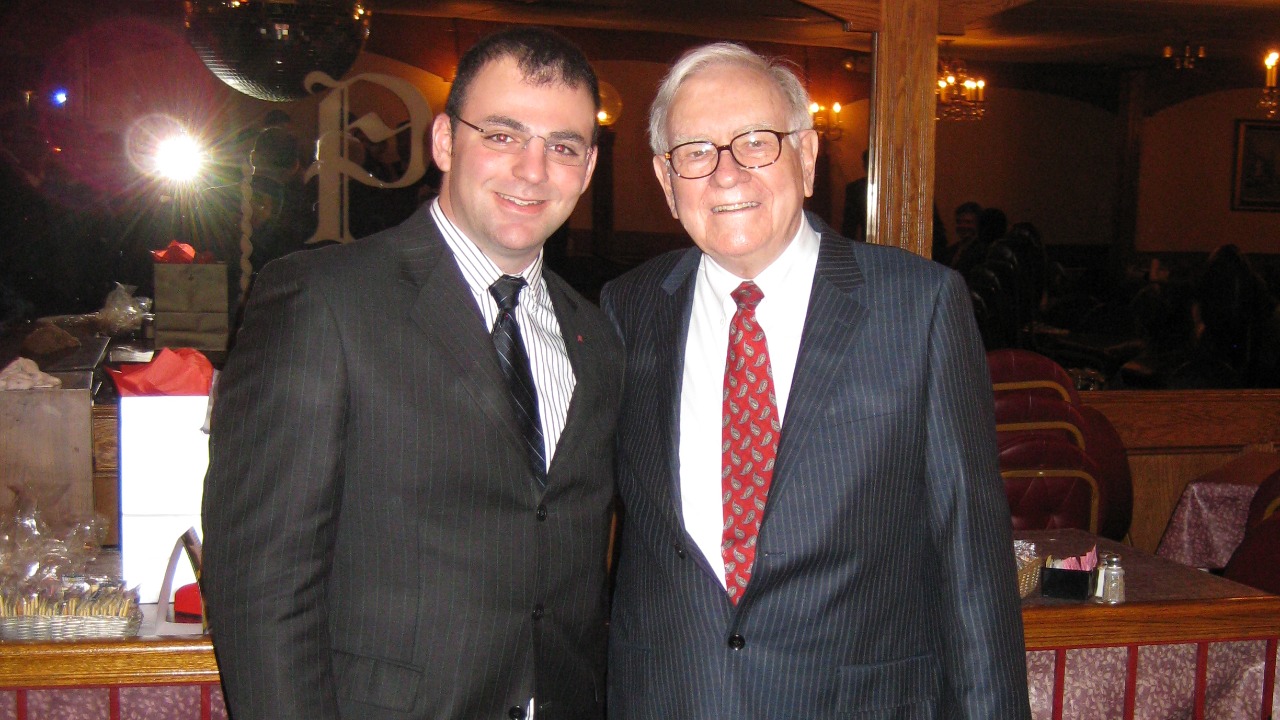
In the world of wealth and power, billionaires often make decisions that distinguish them from the rest of society. A common thread among the ultra-successful is their ability to say “no” to certain decisions by default, allowing them to focus on what truly matters. Here, we explore some key areas where billionaires like Warren Buffett and others demonstrate their decision-making prowess by saying “no.”
The Power of Saying No

Warren Buffett, one of the most successful investors of our time, has a well-documented philosophy that saying “no” is crucial to success. He believes that by focusing on high-impact decisions, individuals can better allocate their resources and time. Buffett’s approach is not just about financial investments but also about life choices, emphasizing the importance of rejecting opportunities that don’t align with one’s core objectives. His strategy involves saying no to almost everything that doesn’t contribute to his primary goals, allowing him to channel his energy towards the most promising ventures. More details on Buffett’s philosophy can be found in this Yahoo Finance article.
Time management is another area where billionaires excel by saying no. They prioritize their schedules meticulously, often rejecting distractions and low-priority tasks that could derail their focus. This disciplined approach enables them to dedicate time to activities that drive significant results. By setting clear personal and professional boundaries, billionaires maintain control over their commitments, ensuring they are not overwhelmed by obligations that do not serve their long-term vision. This discipline in time management is a common trait among successful individuals, allowing them to pursue their goals without unnecessary interruptions.
Avoiding Overextension

Many billionaires understand the importance of limiting their business ventures to avoid overextension. The temptation to spread oneself too thin across multiple projects can dilute focus and resources. Instead, successful individuals often concentrate on a few key interests where they can make the most impact. For instance, Warren Buffett is known for his strategy of concentrating investments in a few companies he thoroughly understands rather than diversifying excessively. This approach not only enhances focus but also allows for deeper involvement and expertise in chosen areas.
Strategic focus is another reason billionaires say no to various opportunities. By maintaining a clear vision of their core competencies, they ensure that their efforts are directed towards areas where they have a competitive advantage. This focus helps them capitalize on their strengths and minimize risks associated with unfamiliar ventures. Moreover, saying no to high-risk, low-reward opportunities is a critical aspect of risk management. By avoiding ventures that do not align with their risk tolerance, billionaires can preserve their wealth and safeguard their financial interests.
Saying No to Conventional Wisdom

Billionaires often challenge conventional wisdom by embracing innovative ideas that defy the norm. This contrarian approach allows them to explore opportunities that others might overlook. For example, investing in unconventional sectors or technologies can lead to significant breakthroughs and long-term success. By rejecting traditional investments, these individuals often uncover hidden potential in emerging markets or disruptive innovations. A classic example is Elon Musk’s investment in electric vehicles when the idea was still considered impractical by many.
Investing in the unconventional has paid off for many billionaires. Consider the success stories of those who invested in technology startups during their infancy. These investments, once deemed risky, have transformed into lucrative ventures as the tech industry has grown exponentially. By saying no to the safety of traditional investments, visionary investors have reaped substantial rewards. Embracing a contrarian mindset, as discussed in this podcast with Daniel Kahneman, can yield long-term benefits by positioning individuals ahead of market trends.
Influence and Governance

In the realm of political engagement, billionaires often navigate their influence with a strategic approach. By selectively engaging in policy matters, they ensure that their efforts align with their broader objectives. Some billionaires choose to focus on specific issues where they can make a significant impact, rather than spreading their resources thin across multiple political concerns. This selective engagement allows them to wield their influence effectively without overcommitting. For more insights on how the wealthy seek to influence governance, refer to this Cambridge article.
Philanthropy is another domain where billionaires exercise discretion by saying no to certain endeavors. By concentrating their philanthropic efforts on causes that resonate deeply with them, they can achieve more impactful giving. This focused approach ensures that their contributions make a tangible difference, rather than being diluted across numerous charities. Additionally, ethical considerations play a role in refusing to engage in certain governance or political activities. By maintaining ethical standards, billionaires safeguard their reputation and align their actions with their personal values.
Navigating Public Perception

Managing public perception is an essential aspect of a billionaire’s strategy. By strategically saying no to media engagements, they can control their public image and avoid being drawn into controversies. This careful management of public persona helps them maintain a positive reputation and focus on their primary objectives. By avoiding potentially controversial situations, they protect their brand and ensure that their public image aligns with their personal and professional goals. Elon Musk’s strategic engagement with the media is a case in point, as explored in this Los Angeles Times article.
Balancing privacy and openness is another challenge that billionaires face. While transparency is valuable, maintaining a level of personal privacy is crucial for their well-being. By carefully curating the information they share, they can engage with the public without compromising their privacy. This balance ensures that they remain accessible and relatable while safeguarding their personal lives from undue scrutiny. In doing so, they create an environment that supports both their professional endeavors and personal well-being.

Grant Mercer covers market dynamics, business trends, and the economic forces driving growth across industries. His analysis connects macro movements with real-world implications for investors, entrepreneurs, and professionals. Through his work at The Daily Overview, Grant helps readers understand how markets function and where opportunities may emerge.