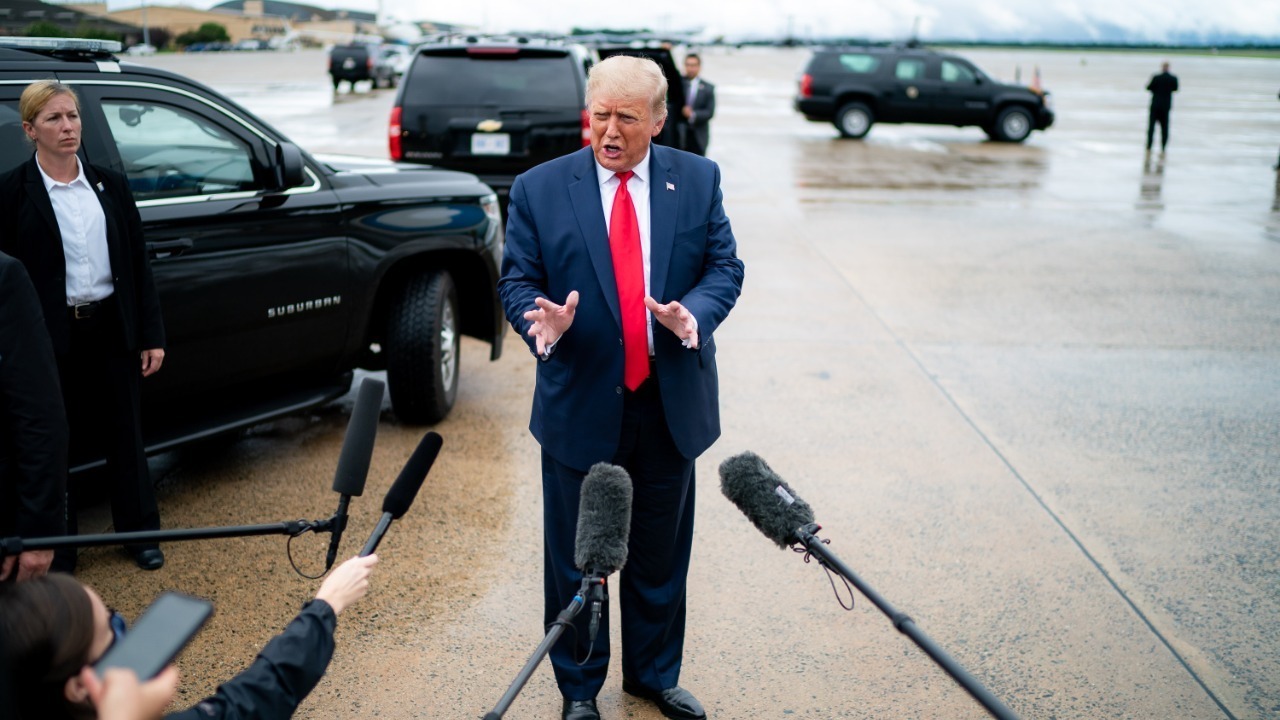
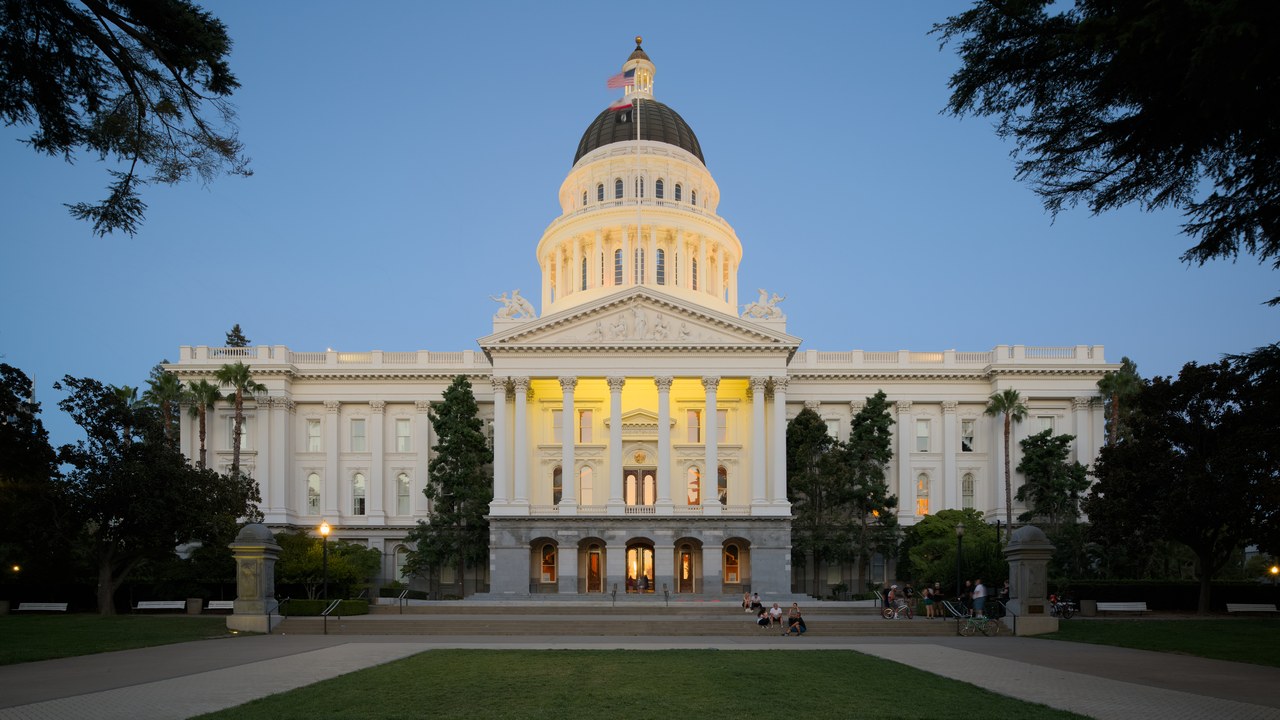
Ron DeSantis has turned a dry topic, property tax policy, into a populist rallying cry by branding annual tax bills as “rent to the government” and warning that homeowners are being treated like ATMs. His push to wipe out property taxes on primary residences in Florida is no longer a thought experiment, it is a fast-moving political project with national ambitions and very real stakes for city halls, school districts, and anyone who relies on local services.
I see a clash emerging between two powerful ideas of ownership: one in which paying off a mortgage should mean true financial freedom, and another in which local taxes are the price of functioning communities. Whether property taxes are “rent” or a civic obligation is not just a semantic fight, it is the question that will shape how Florida, and potentially other states, fund everything from firefighters to parks.
DeSantis’s “rent to government” argument
Ron DeSantis has sharpened his critique of the current system into a simple, emotionally charged line: if you can lose your house because you fall behind on property taxes, then you are not really an owner, you are a tenant of the state. In interviews and speeches, Ron has described property taxes as “rent to government” and said that American homeowners are being treated like cash machines for public budgets, a framing that resonates with retirees on fixed incomes and families watching their escrow payments climb. He has tied this rhetoric directly to a promise to end property taxes on full-time, owner-occupied homes, casting it as a way to restore what he calls real ownership and to stop treating households as fiscal backstops for local spending, a case he has pressed in detail in at least one widely shared interview.
That language is not just red meat for conservative audiences, it is the philosophical spine of his policy push. Ron has argued that the current model effectively forces people to “buy” their homes over and over again through annual tax bills, and he has warned that rising assessments are turning long-time residents into involuntary speculators in their own neighborhoods. In one account of his remarks, Ron’s criticism of property taxes as “rent to the government” is paired with a warning that the system “effectively treats homeowners like ATMs,” a line that captures his view that local governments have become too dependent on ever-growing tax bases to fund expanding budgets, a theme that has been highlighted in coverage of his comments on homeowners as ATMs.
The Florida plan: from slogan to ballot language
In Florida, that rhetoric has hardened into a concrete proposal to erase property taxes on primary residences, known in state law as homesteads. Florida Republican Gov Ron DeSantis has backed a plan that would eliminate property taxes for full-time homeowners and replace the lost revenue with other sources, while keeping the state’s lack of an income tax intact. Reporting on the proposal notes that Florida Republican Gov Ron has framed it as a way to protect residents from being priced out of their homes by rising valuations, and that his administration has floated ideas for how the state might compensate local governments for the property tax losses, a concept that has been described in detail in coverage of his push to eliminate property taxes for Florida homeowners.
The mechanics are still evolving, but the broad outline is clear. DeSantis has endorsed a phased approach that would gradually reduce, and ultimately erase, property taxes on homesteaded properties, with the goal of putting the question before voters on the 2026 ballot. He has reiterated that the objective is to eliminate property taxes “completely” for homesteaded residents, while insisting that Florida can do so without adopting a state income tax, a point that has been emphasized in reporting on his phased approach. A fast-moving proposal backed by Gov Ron DeSantis has already begun moving through the legislative process, and a new analysis from Realtor.com has been cited in coverage of that effort to illustrate how much typical homeowners could save under the plan, a detail that surfaced in a widely shared video summary of the proposal.
Local governments warn of a fiscal cliff
For city and county officials, the idea that property taxes are simply “rent” misses a more prosaic reality: those dollars keep the lights on. One of the big talking points for this year’s legislative session is the possible elimination of property taxes, and local advocates have begun to warn that the state’s vow to cut those taxes could destabilize basic services. In interviews, a city and county advocate has raised concerns that the plan could hit smaller counties, including rural counties, especially hard, since they rely heavily on property tax revenue to fund law enforcement, road maintenance, and other core functions, a warning that has been detailed in coverage of how advocates view the state’s vow.
Editorial voices inside Florida have gone further, arguing that the property tax cut proposals could shove cities and counties off a fiscal cliff. One analysis has pointed out that the promised “hold harmless” language in early drafts does not fully protect critical services, noting that the provision does not extend to firefighters and emergency medical services, except for one limited carve-out. The same critique warns that local governments would be left scrambling to make up the missing revenue, either by cutting services or by turning to fees and other charges that are less transparent than a property tax bill, concerns that have been spelled out in a detailed editorial warning of a fiscal cliff.
Supporters see true ownership, critics see risky math
Supporters of DeSantis’s plan argue that the trade-off is worth it because ending property taxes would finally align the law with the promise of ownership. One letter writer, defending the idea of eliminating property taxes in Florida, has argued that ending property tax would help Floridians Here who feel like they never truly own their homes as long as they face the risk of tax foreclosure. That argument frames the reform as straightforward, contending that trying to scare people by suggesting that eliminating property taxes would not benefit everyone is a fallacy, a sentiment captured in a letter that insists ending property tax would help Floridians. For these backers, the “homeowners as ATMs” line is not just rhetoric, it is a description of a system that they believe has drifted far from its original purpose of funding modest local services.
Critics counter that the math behind the promise is, at best, unproven. They note that DeSantis has criticized local governments for ballooning budgets amid rising property values, but that his plan would require the state to find new revenue or cut spending elsewhere to keep schools, police departments, and other services whole. In one account of his remarks, DeSantis is described as pushing a bold plan to eliminate property taxes on Florida homesteads while calling for similar action in all 50 states, a sweeping vision that would force a nationwide rethink of how local services are funded, as highlighted in coverage of his call for nationwide action. Skeptics warn that without a clear replacement, the promise of lower taxes for homeowners could translate into higher sales taxes, new fees, or diminished public services that hit the same residents in different ways.
Are homeowners really being treated like ATMs?
Whether homeowners are truly being treated like ATMs depends on how one weighs the burden of rising tax bills against the benefits those dollars buy. DeSantis has zeroed in on the pain point, arguing that as property values climb, local governments have allowed their budgets to swell rather than rolling back tax rates to keep bills stable. In his telling, the “rent to government” metaphor captures a system in which homeowners are expected to endlessly feed local coffers, with little accountability for how efficiently that money is spent, a critique that has been echoed in coverage of how Florida Republican Gov Ron has framed local budget growth. From that vantage point, the ATM analogy is less about rejecting taxation altogether and more about demanding a hard cap on how much of a family’s home equity can be tapped to fund government.
Yet property taxes are also one of the few ways communities can reliably fund services that directly support property values, from good schools to safe streets. If the state severs that link without a robust replacement, homeowners could find that the savings on their tax bill are offset by declining services or new, less visible charges. I see DeSantis’s campaign against “rent to the government” as a test of whether voters are more angry about the size of their tax bills or more anxious about the stability of the services those bills support. The answer will determine not only whether Florida rewrites its tax code, but also whether other states follow Ron’s lead in redefining what it really means to own a home.
More From The Daily Overview

Julian Harrow specializes in taxation, IRS rules, and compliance strategy. His work helps readers navigate complex tax codes, deadlines, and reporting requirements while identifying opportunities for efficiency and risk reduction. At The Daily Overview, Julian breaks down tax-related topics with precision and clarity, making a traditionally dense subject easier to understand.