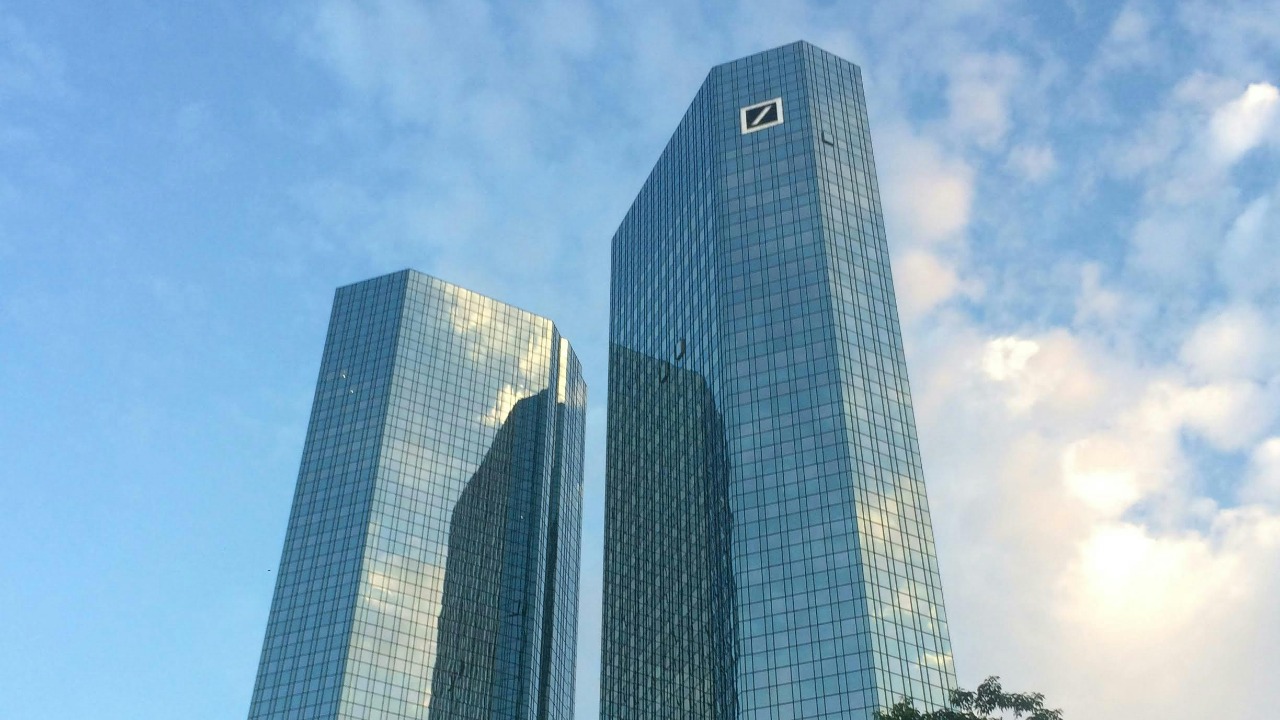
German authorities have launched an aggressive money laundering investigation into Deutsche Bank, sending police and prosecutors into multiple offices of Germany’s largest lender and putting its compliance culture back under the spotlight. The coordinated searches, which hit key sites in Frankfurt and Berlin, mark the latest clash between the bank and regulators over how it handles suspicious flows of money.
The raids come just as Deutsche Bank is celebrating a record year of profit, underscoring how legacy conduct risks can collide with a turnaround story and unsettle investors. At the heart of the probe are questions about whether the bank properly flagged and reported suspicious transactions, and whether its systems were robust enough to keep illicit funds out of the financial system.
The raids that shook Frankfurt and Berlin
German investigators searched the offices of Deutsche Bank on a Wednesday, targeting locations in Frankfurt and Berlin as part of a sweeping money laundering probe into the lender’s past business. Police and prosecutors moved into the bank’s Frankfurt headquarters and other premises, with German investigators describing the institution as Germany’s largest bank and confirming that the searches were tied to suspected financial crime. According to detailed accounts, German police also raided Deutsche Bank locations in Frankfurt and Berlin on the same Wednesday, underscoring the scale of the operation.
The Frankfurt prosecutor’s office has opened an investigation into suspected money laundering offences, but it has declined to give details about the specific business relationships or transactions under scrutiny. Officials have confirmed that the searches are part of an ongoing case led by The Frankfurt prosecutor’s office, which is examining whether Deutsche Bank’s internal controls and reporting obligations were properly fulfilled. Reports describe GERMAN federal police entering the bank’s Frankfurt headquarters as part of what one account called a massive money laundering operation, with the global platform for Anti Financial Crime highlighting how GERMAN federal police activity weighed on the bank’s shares in mid afternoon trade.
Suspicious activity reports and a late filing problem
Behind the dramatic images of officers entering glass towers is a more technical, but crucial, question about how Deutsche Bank handled suspicious activity reports. Christian Sewing, Deutsche Bank’s CEO, has said that the search this week in a money laundering probe related to a suspicious activity report, or SAR, that the bank filed to authorities. According to detailed compliance analysis, late to file SARs appear to be at the centre of the raids, with investigators examining whether the bank delayed reporting red flags involving unnamed persons and bank employees, as described in an INSIGHT on late.
From a regulatory perspective, the timing of a SAR can be as important as its content, because delayed reporting can allow suspect funds to move or be withdrawn before authorities can act. The focus on late reporting suggests that prosecutors are not only looking at whether Deutsche Bank spotted suspicious patterns, but also whether it escalated them quickly enough to meet German anti money laundering standards. That scrutiny fits into a broader pattern in which German authorities have repeatedly pressed the bank to strengthen its anti money laundering safeguards, including through earlier actions that targeted its headquarters in Frankfurt over suspected weaknesses in its controls.
Links to Abramovich and high risk clients
The current investigation is not occurring in a vacuum, but is instead tied to Deutsche Bank’s past dealings with high risk clients. German authorities have raided Deutsche Bank AG as part of a money laundering probe looking at past links to Russia’s Roman Abramovich, with one account noting that the bank’s offices were inspected by the Frankfurt prosecutor in connection with transactions involving the sanctioned oligarch. According to Takeaways by Bloomberg, Deutsche Bank AG was raided by German authorities as part of a probe into whether it properly monitored and reported flows linked to Abramovich, highlighting how legacy relationships can trigger fresh legal exposure.
National reporting has added further detail, with According to the Sueddeutsche Zeitung daily, the probe is connected to suspected offences in the bank’s dealings with companies linked to Abramovich and to an investigation by Frankfurt prosecutors into possible money laundering. One account notes that According to Sueddeutsche, Deutsche Bank’s dealings with these companies are now central to the case. That focus reflects how Western sanctions and transparency drives have turned past relationships with Russian oligarchs into a minefield for global banks, forcing them to revisit old accounts and justify how they handled transactions that may now be seen in a very different light.
A familiar pattern of raids and regulatory pressure
For Deutsche Bank, the sight of investigators at its headquarters is uncomfortably familiar. In April, German authorities raided Deutsche Bank headquarters in Frankfurt over suspected money laundering, linked to the lender’s role as a correspondent bank and to concerns about its anti money laundering safeguards. That earlier action, described in detail by financial reporting that noted how In April German authorities targeted the bank’s Frankfurt base, set the stage for the current probe by highlighting persistent doubts about its compliance systems.
Those concerns have now resurfaced with greater intensity. German investigators have again searched the offices of Deutsche Bank, Germany’s largest lender, on a Wednesday in connection with an investigation into suspected money laundering, as confirmed by detailed accounts of how German investigators entered multiple sites. At the same time, the Frankfurt prosecutor’s office has again declined to give granular details about the business relationships or transactions under investigation, as noted in coverage of how Deutsche Bank offices were searched in the latest wave. The repetition of raids, coupled with ongoing silence on specifics, has fuelled market speculation about the depth of the bank’s exposure.
Record profits under a darkening cloud
The timing of the raids could hardly be more awkward for Deutsche Bank’s leadership. Deutsche Bank AG closed out a record year for profit with higher trading income and a new share buyback plan, with Takeaways by Bloomberg AI noting that the bank has proposed further capital distributions in the second half of the year. Yet those strong results have been overshadowed by the law enforcement action, with Deutsche Bank AG now facing questions about whether it can sustain generous payouts while navigating a complex criminal investigation.
At the same time, Deutsche Bank has returned to health in recent years after suffering scandals during the financial crisis, rebuilding capital and profitability under the watch of Christian Sewing and his team. One detailed account notes that Deutsche Bank has to health even as a new probe casts a shadow over suspected money laundering offences, with Kirill KUDRYAVTSEV credited for capturing the tension between financial success and legal risk in images from Deu. For investors, the message is clear: the bank’s turnaround story is now intertwined with its ability to convince regulators and markets that its anti money laundering framework is finally fit for purpose.
More From TheDailyOverview
*This article was researched with the help of AI, with human editors creating the final content.

Grant Mercer covers market dynamics, business trends, and the economic forces driving growth across industries. His analysis connects macro movements with real-world implications for investors, entrepreneurs, and professionals. Through his work at The Daily Overview, Grant helps readers understand how markets function and where opportunities may emerge.